
Dollar Price Declines Today: Is it a Good Time to Buy Foreign Currency?
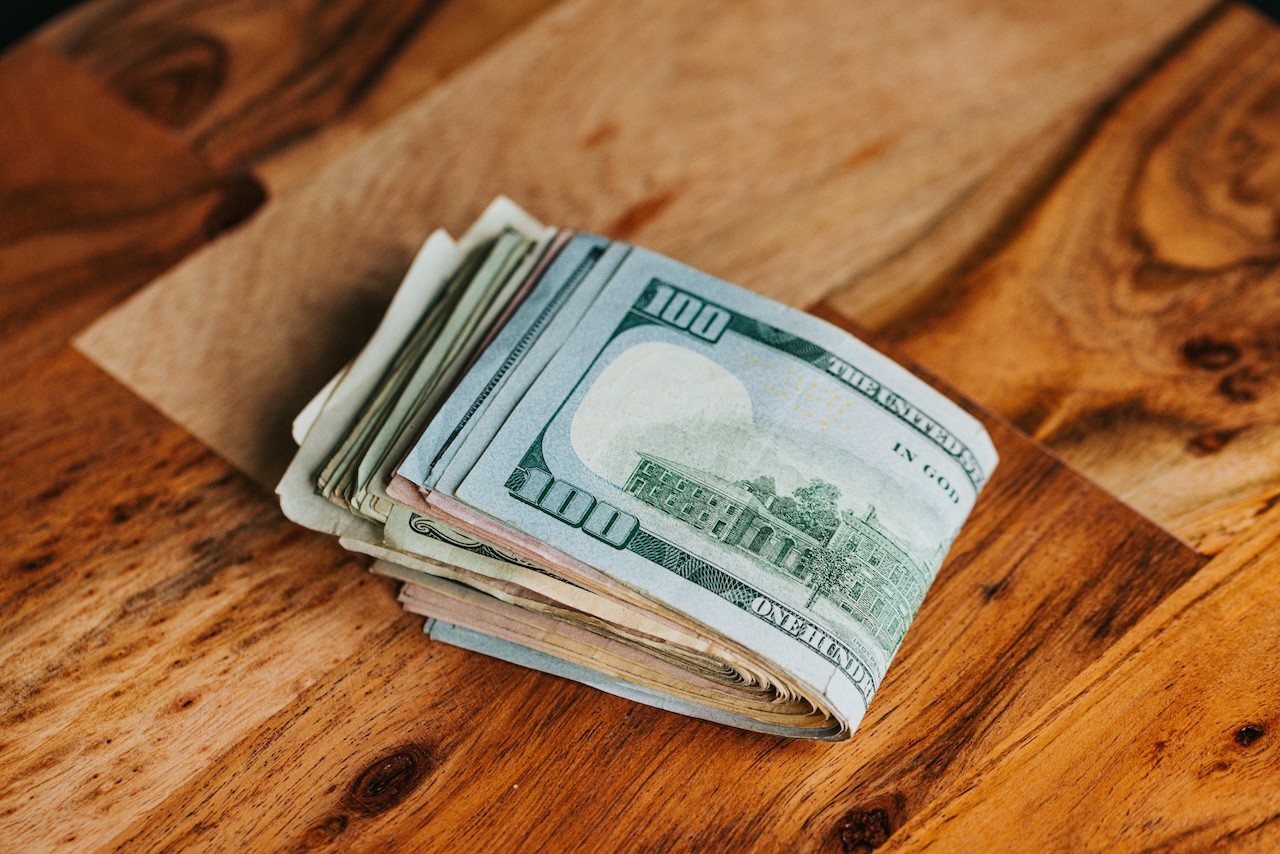
The Mexican peso strengthens as the US dollar nears 17 pesos, driven by moderating US inflation and expectations of less restrictive Federal Reserve policy.
The Mexican peso began this Wednesday with a renewed signal of strength, as the dollar price approached the 17 units per dollar barrier. This movement occurs after the announcement that U.S. inflation moderated slightly last month, aligning with market expectations.
The spot exchange rate stood at 17.0516 pesos per dollar, compared to the 17.0876 units recorded at the official closing on Tuesday by Banco de México (Banxico). This represents an appreciation of 3.60 cents for the Mexican peso, equivalent to 0.21%. During the trading session,
it fluctuated between a high of 17.0802 pesos and a low of 17.0157 units. With this, the peso reached its strongest level since June 2024.
This trend was also reflected in the Dollar Index (DXY), an indicator that measures the performance of the U.S. currency against a basket of six major currencies. The DXY retreated by 0.07%, settling at 99.76 points.
Why is the Dollar Price Falling Against the Mexican Peso?
One of the primary factors behind this currency movement originates in the United States. The market received new inflation data, which indicated a moderation in price growth. The U.S. Consumer Price Index (CPI) rose 3.4% year-over-year last month, while the monthly increase was 0.1%.
Furthermore, core inflation, which excludes more volatile components, increased by 0.2% monthly. On an annual basis, it moved from 2.6% to 2.5%. These results were in line with analysts’ expectations, an element that contributed to reducing bets on potential interest rate hikes by the U.S. Federal Reserve.
Expectations regarding Fed rates are crucial for financial markets. When there is a perception that U.S. rates could remain elevated or increase, the dollar can become more attractive to investors. Conversely, moderating inflation can fuel expectations of less restrictive monetary policy, which eases pressure on the U.S. currency.
In Mexico, this scenario combines with a peso that has shown strength and an exchange rate that is once again approaching levels not seen since mid-2024.
Is it Advisable to Buy Dollars Today in Mexico?
A lower dollar price compared to previous months may present an opportunity, but it does not automatically signify the ideal time to purchase large quantities of foreign currency. The decision should be linked to the intended use of those funds. For individuals planning a trip, making international payments, or needing dollars for a specific transaction, an exchange rate near 17 pesos may be attractive.
However, buying dollars solely with the expectation of quickly selling them at a higher price entails currency risk.
Among the main factors favoring dollar purchases are:
- Lower Acquisition Cost: Currently, fewer pesos are required to buy one dollar than when the exchange rate was above 18 or 19 pesos.
- Overseas Travel: Those with upcoming trips can take advantage of gradually acquiring U.S. currency.
- International Purchases: Some services and products priced in dollars may represent a lower outlay in pesos when the exchange rate decreases.
- Future Payments: Companies or individuals with dollar-denominated commitments can reduce the impact of potential peso depreciation.
- Diversification: Holding a portion of assets in another currency can serve as a diversification strategy, though it does not eliminate risks.
- Opportunity Price: If the financial objective is medium to long-term, a favorable exchange rate may allow for gradual accumulation of foreign currency.
However, there are also reasons for caution. The Mexican peso continues to show strength, and the dollar could remain under pressure if the conditions driving the market persist. Therefore, buying dollars today with the intention of immediate profit is not guaranteed.
The opportunity cost must also be considered. Allocating a significant amount of money to dollars means keeping those resources away from other alternatives that could offer returns or greater liquidity.
How Does the Dollar’s Decline Affect Prices?
One of the effects most relevant to consumers relates to imported products. If a product has an international price of $100, with an exchange rate of 20 pesos per dollar, its equivalent value would be 2,000 pesos, before taxes, transportation, and other costs.
If the exchange rate drops to 18 pesos, the same product would have an equivalent value of 1,800 pesos, a difference of 200 pesos. However, this does not mean that all imported products will automatically decrease in price.
Factors such as transportation, storage, inventory, tariffs, commercial margins, demand, and production conditions also influence the final price formation.
Therefore, consumers may take time to observe the effect of peso appreciation, particularly when companies still hold inventories acquired at a higher exchange rate. The behavior of inflation in Mexico will also be a determining factor in how much of the currency strength is ultimately passed on to prices.
You Might Also Read:
The entry
first appeared on Líder Empresarial.
More Articles

Canada's Tariffs on US Goods Take Effect Today: What's the Impact on Mexico?
Sep 8, 2026
Data Centers Drive New Cooling Technology in Mexico
Sep 23, 2026

How is Business Confidence in Mexico Performing?: INEGI Data for August 2026
Sep 1, 2026

2027 Economic Package: Coparmex Jalisco's Proposal to Drive State Growth
Sep 8, 2026

Sheinbaum Submits Digital Payments Reform to Chamber of Deputies: What is it About?
Sep 9, 2026

Sheinbaum in Querétaro: Train Projected for Completion in 2027
Sep 21, 2026