
When the Dollar Weakens, Not All Mexicans Celebrate Equally
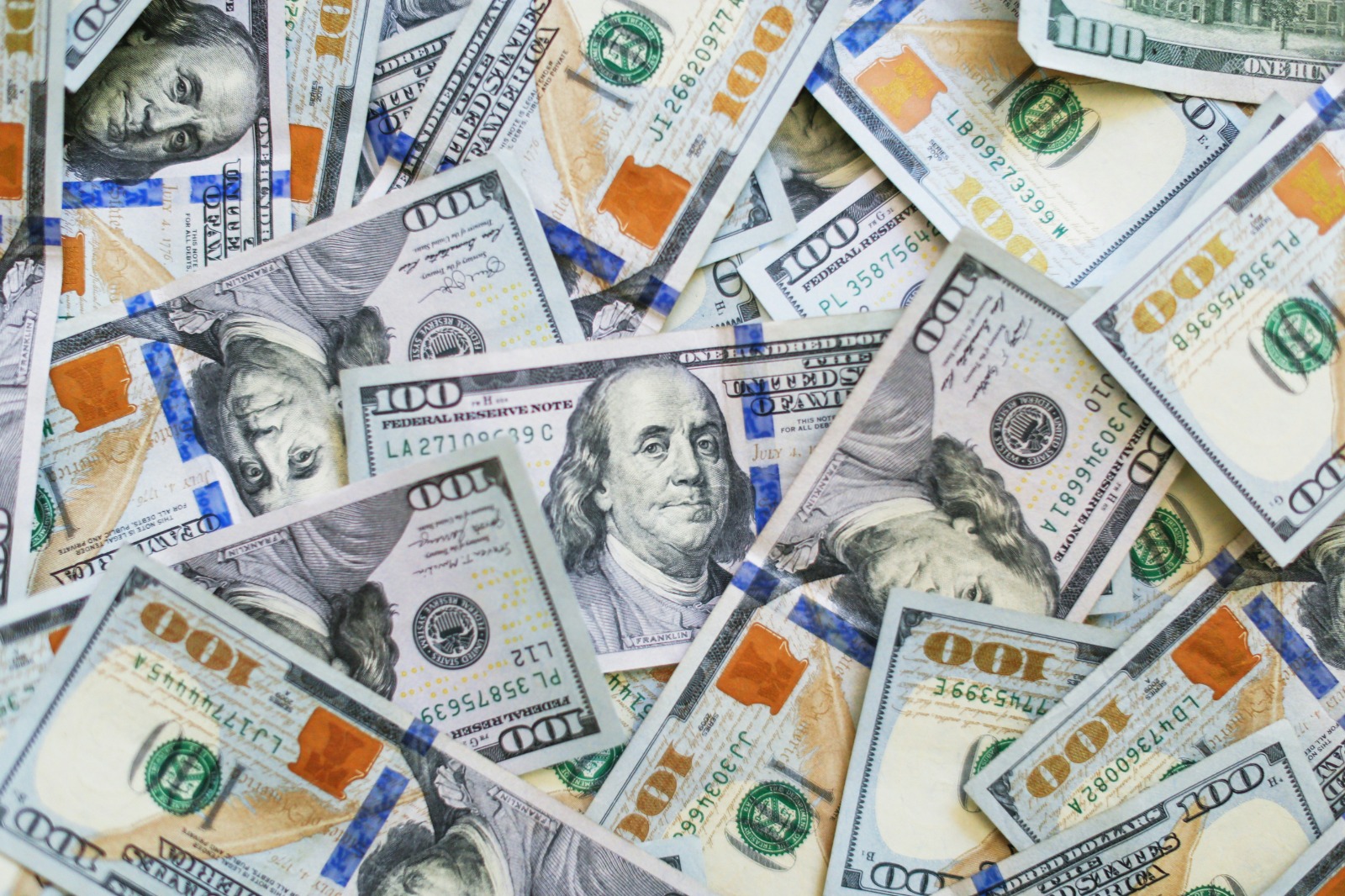
The appreciation of the Mexican peso against the US dollar has winners and losers across different sectors of the economy.
For decades, few economic indicators have been as present in the daily lives of Mexicans as the exchange rate. When the dollar rose, prices rose; when oil fell, the peso faltered. This dependency defined entire generations. It is therefore striking that the scenario is now different: the dollar has been steadily losing ground against the peso. As of May 20, 2026, BBVA Mexico registered a selling price of 17.59 pesos, levels that would have been hard to imagine a few years ago, especially after the currency reached 25.71 pesos in 2020. However, this shift does not benefit everyone equally. A cheaper dollar has clear winners and silent losers, and understanding who they are is essential to interpreting the country’s economy.
Why the Dollar is Falling
The dollar is not declining for a single reason; multiple factors are at play simultaneously, and not all originate in Mexico.
The first factor is global. In 2026, the US dollar has lost value against most global currencies. The DXY index, which measures the dollar’s strength against other major currencies, had accumulated a 10.66% drop year-to-date, according to Bloomberg Línea. This widespread weakening has benefited almost all Latin American currencies, including the Mexican peso.
Why the Dollar is Falling: Strong Peso or Weak Dollar?
This is where the discussion becomes more nuanced. Fernando Covarrubias Tejada, Director of the Finance Undergraduate Program at Universidad Panamericana (UP), offers a critical perspective: “Rather than thinking about a strong peso, we should ask ourselves if we are indeed facing a weak dollar.” He points to political and economic uncertainty in the United States, including factors like tensions surrounding the Federal Reserve. The distinction is important because it’s not the same if Mexico has gained strength on its own merits as it is if the dollar has simply weakened due to external issues.
Why the Dollar is Falling: Interest Rates, the Financial Engine
The second factor is indeed rooted in Mexico and is the most relevant in the short term: the interest rate differential. Banco de México maintains its target rate at 6.50%, a level that, although it has been decreasing from 8.50% a year ago, remains considerably higher than in advanced economies like the United States or Japan. This incentivizes international investors to place their capital in Mexican financial instruments for better returns, a strategy known as carry trade.
María Guadalupe Romo Calvillo, Director of Graduate Programs at UP, explains it clearly: “Interest rates in Mexico remain higher than in the United States, making investment in Mexican financial instruments more attractive. This increases dollar inflows into the country and strengthens our currency.” The analyst also highlighted nearshoring, remittance flows, macroeconomic stability, and Banco de México’s monetary policy decisions as additional contributing factors.
The third factor is structural. An analysis by Banco Base indicates that Mexico’s manufacturing industry has shown sustained productivity growth since 2008, surpassing that of the United States. This productive base supports the peso in the long term.
Who Wins with a Strong Peso
The primary beneficiaries are those who purchase goods abroad or have debts denominated in dollars. For the import sector, every cent the dollar drops represents direct savings. According to INEGI’s Merchandise Trade Balance data, in March 2026, Mexico’s total imports amounted to 64,795 million dollars, of which over 51 billion corresponded to intermediate goods used by companies in their production processes. With a lower exchange rate, acquiring foreign machinery, technology, and raw materials costs less in pesos.
Romo Calvillo confirms this from a business perspective: “On the other hand, imports have become cheaper, which is an advantage for consumers and businesses acquiring products or raw materials from abroad.” Covarrubias adds that for importing companies, “it’s an opportunity to negotiate contracts at better prices.”
Who Loses When the Dollar is Worth Fewer Pesos
The losers are those who generate income in dollars but live and spend in pesos. The export sector faces tighter profit margins. Although gross figures remain solid—INEGI reported exports of 70,727 million dollars in March 2026—receiving fewer pesos for each dollar invoiced makes Mexican products more expensive in the global market. Similarly, Romo Calvillo noted that this directly affects the revenue of exporting companies, with repercussions in key sectors like automotive, agro-industry, and electronics.
Tourism: More Visitors, Less Money
International tourism presents one of the clearest paradoxes of this phenomenon. INEGI’s Survey of International Travelers (EVI) reports that in March 2026, 9.3 million international travelers arrived in the country, an 11.9% year-over-year increase. However, this higher number of visitors did not translate into increased revenue: total spending by foreign tourists fell by 3.4%, and average spending per person plummeted by 13.7%. When the peso is stronger, Mexico simply becomes more expensive for those bringing dollars, and this is reflected in their expenses.
Remittances and Inflation: A Double Blow to Families
The most vulnerable link is the millions of families who depend on money sent from abroad. Banco de México recorded over 5,394 million dollars in remittance inflows during March 2026. Covarrubias puts it in concrete terms: “If a migrant previously sent 100 dollars and their family received 2,000 pesos, they now receive less. This can reduce the incentive to send money. And we are talking about more than 61 billion dollars annually in remittances, Mexico’s largest source of foreign currency.”
The problem is compounded because while fewer pesos arrive, the cost of living in Mexico does not decrease. Annual inflation stood at 4.59% in March 2026, according to Banco de México’s National Consumer Price Index (INPC). The National Alliance of Small Merchants (ANPEC) reported that the average cost of the basic food basket reached 2,085 pesos in the same month. Cuauhtémoc Rivera, president of that organization, summarizes: a family of four needs over 10,000 pesos per month just to cover their basic food expenses, a cost that the minimum wage cannot cover. Fewer pesos arriving and more expensive products purchased with them—this is the scenario these families face.
An Exchange Rate Without a Single Answer
In summary, the exchange rate is not a neutral figure. When the dollar falls, some sectors reduce costs, while others see their income decline. The data clearly shows that those most impacted are not companies or financial markets, but families whose daily economy depends on the dollars arriving from across the border.
Specialists from Universidad Panamericana warn that this situation could change in the short to medium term. Factors such as the evolution of interest rates, US immigration policy, the announced remittance tax for 2026, and the upcoming elections in that country could generate new pressures on the exchange rate. Covarrubias summarizes with a phrase that looks beyond the daily debate about how many pesos the dollar is worth: “More than a strong peso, what we need is a stable peso. That stability is key to generating confidence and attracting investment to the country.”
Ultimately, the question is not just whether the dollar is expensive or cheap today, but whether the Mexican economy is building the conditions for that stability to last, regardless of what happens in Washington.
You may also be interested in: The entry
first appears on Líder Empresarial.
More Articles

Aguascalientes Budget to Rise 7.2% from 2026; Among the Nation's Largest Increases
Sep 10, 2026

Do Mexican Companies Truly Innovate?
Oct 1, 2026

Can Guanajuato Convert Medical Tourism into a New High-Value Industry?
Sep 21, 2026

Fewer Hours, More Productivity: What Changes Do Mexican Companies Need?
Sep 7, 2026

Querétaro Surpasses 10% Growth in Automotive Parts Production
Sep 8, 2026

Toyota Corolla 2027 in Mexico: Pricing and Key Features Revealed
Sep 26, 2026