
How Much Tequila Did Mexico Export in the First Half of 2026?
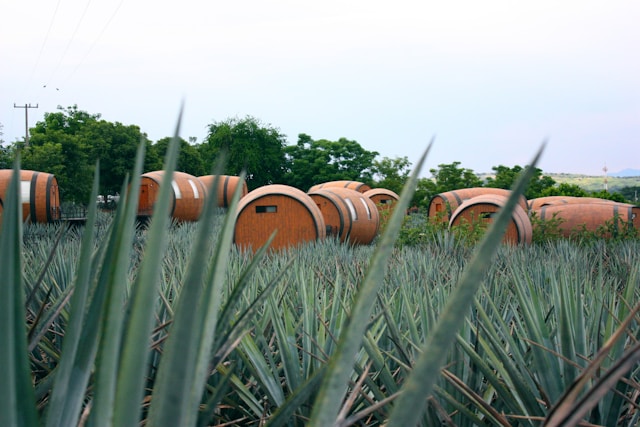
Mexico's tequila industry exported 214.4 million liters in the first half of 2026, reaching over 120 countries.
How Much Tequila Did Mexico Export in the First Half of 2026?
The Mexican tequila agribusiness leveraged the commemoration of International Tequila Day, celebrated on July 24th, to reaffirm the global positioning of one of the country’s most emblematic agri-food industries. During the first half of 2026, production reached 302.1 million liters, of which 214.4 million were exported, demonstrating the growing international demand for the Designation of Origin beverage, which now reaches over 120 countries. The results were announced by the Tequila Regulatory Council (CRT) during its informational briefing, where it also highlighted activities undertaken to celebrate a date that, for the first time, was harmonized between the national and international calendars. Beyond the celebration, the figures reflect the economic weight of tequila as one of Mexico’s main agro-industrial export products and a driver for the economy of Jalisco.
Over 214 Million Liters Exported in Six Months
The industry maintained solid dynamism during the first half of the year.
Tequila Production and Exports in the First Half of 2026
| Indicator | Figure |
|---|---|
| Total Production | 302.1 million liters |
| Exports | 214.4 million liters |
| Destination Countries | Over 120 |
This means that approximately 71% of the tequila produced during the period was destined for international markets, consolidating Mexican spirits as one of the agri-food products with the greatest global presence.
United States Maintains Leadership as the Main Tequila Market
The CRT reported that international consumption continues to be led by North America, although Europe is gaining increasing relevance within the commercial diversification strategy.
Top 5 Tequila Export Markets
- United States
- Spain
- Canada
- United Kingdom of Great Britain and Northern Ireland
- Italy
The continued leadership of the United States as the primary buyer confirms the strength of commercial chains built over decades, while the consolidation of European countries highlights the growing interest in products with high added value, certified origin, and authenticity.
Tequila, a Strategic Asset for the Mexican Economy
The official celebration was hosted at Tequila Lab, with participation from federal, state, and municipal authorities, agribusiness representatives, producers, academics, and specialists.
Activities included:
- Specialized discussions.
- Keynote conference.
- Unveiling of the commemorative institutional bottle.
- Public fair, gastronomy, and mariachi.
The event emphasized the role of agribusiness as a generator of employment, investment, tourism, and regional development, especially in Jalisco, where a significant portion of the tequila value chain is concentrated.
The Designation of Origin Strengthens Tequila’s International Competitiveness
The commemoration also reached Mexico City, where the Ministry of Economy and the Mexican Institute of Industrial Property (IMPI) highlighted the strategic value of the Tequila Designation of Origin.
During the event, the Secretary of Economy, Marcelo Ebrard, reiterated the Mexican Government’s commitment to expanding tequila’s presence in new international markets.
The Designation of Origin continues to be one of the main instruments for ensuring:
- Authenticity
- Certified quality
- Traceability
- International legal protection
- Commercial prestige
These elements allow tequila to maintain a differentiated position against other spirits in the global market.
The Celebration Crossed Borders
The CRT, in coordination with the Embassy of Mexico in the United States and the Congressional Tequila Caucus, organized an event to commemorate International Tequila Day alongside agribusiness representatives.
The activity strengthened the economic diplomacy and trade promotion strategy for one of Mexico’s most internationally recognized products.
Art, Culture, and Identity Around Tequila
As part of the commemorative activities, the CRT presented awards to sculptors Camilo Ramírez and Carlos Terrés, whose works are part of the Agave Forest installed at Tequila Lab. This space aims to bring national and international visitors closer to the cultural heritage associated with the beverage, integrating art, landscape, and history around one of Mexico’s most representative symbols.
A Production Chain with International Impact
Behind every exported bottle lies an extensive value chain comprising agave producers, farmers, distilleries, laboratories, certifying bodies, logistics companies, and marketers. The CRT highlighted that thousands of people participate daily to ensure that tequila reaches international consumers under the quality standards required by the Designation of Origin. In a context where foods and beverages with territorial identity are gaining ground in global markets, tequila continues to position itself as one of Mexico’s main economic and cultural ambassadors.
Tequila Strengthens Jalisco’s Export Leadership
The figures from the first half of 2026 confirm that the tequila agribusiness maintains a solid trajectory in international markets. With over 214 million liters exported and a presence in more than 120 countries, tequila not only drives Mexican agri-food exports but also strengthens Jalisco’s competitiveness as one of the country’s leading agro-industrial hubs.
The entry
More Articles

Guadalajara-Paris: Dates, Frequencies, and Key Details of the New Flight
Sep 7, 2026

Dollar, Gold, and Oil Prices Mark Opening of Financial Markets Today
Aug 24, 2026
2027 Economic Package: Coparmex Jalisco's Proposal to Drive State Growth
Sep 8, 2026

China Extends Antidumping Investigation into Mexico: Impact on Pecans?
Sep 10, 2026

Weekend Recap: Key Global and Mexican Business Developments September 12-13
Sep 14, 2026

Guanajuato Ranks in the Top 5 for the Meetings Industry: What Strengthens Its Position?
Sep 14, 2026