
Electronics and Petroleum Lead Manufacturing Growth in Mexico
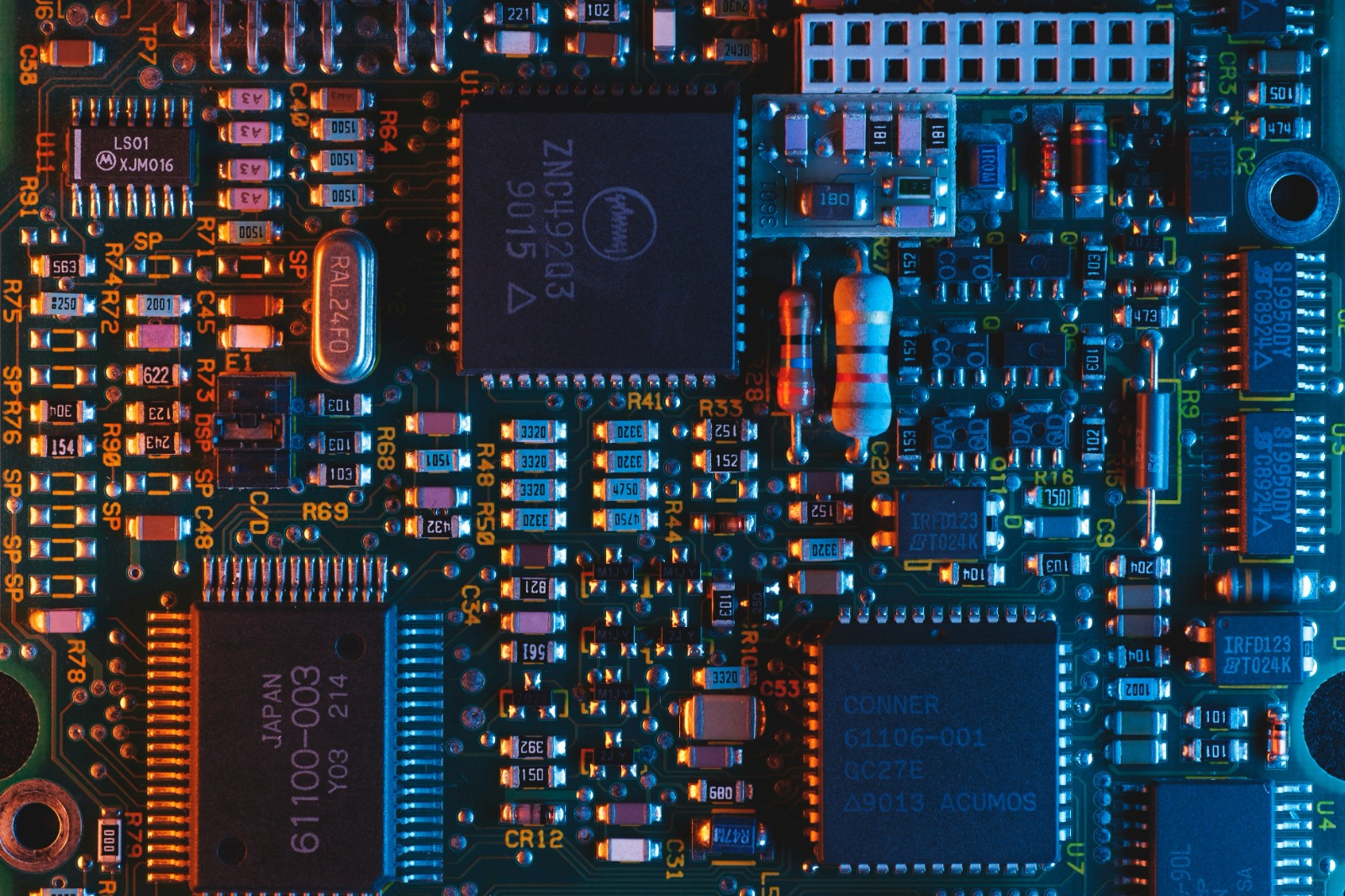
July 2026 manufacturing data from INEGI reveals double-digit growth in electronics and petroleum derivatives, significantly outpacing the overall industry.
Electronics and Petroleum Lead Manufacturing Growth in Mexico
In July 2026, two key drivers of manufacturing growth in Mexico were the production of electronics and petroleum derivatives. Both sectors recorded double-digit increases, significantly exceeding the overall manufacturing industry’s advancement, according to the Monthly Manufacturing Industry Survey (EMIM) from INEGI.
When accounting for seasonal adjustments, the physical volume of manufacturing production rose by 0.9% compared to June and 1.6% compared to July 2025. However, original data by subsector reveals significant disparities within Mexican factories: while some activities contracted, petroleum and electronics spearheaded the most substantial annual growth.
Petroleum Derivatives Grow 14% and Lead Manufacturing
The manufacturing of petroleum and coal derivative products showed the largest year-over-year production increase among the subsectors reported by EMIM. Its physical volume advanced 14% in July 2026 compared to the same month of the previous year, with a production index of 185.4 points, based on 2018 equaling 100.
This production surge was accompanied by positive labor market trends within this activity. Employment increased by 1.5% annually, while hours worked also grew by 1.5%. Average real wages, in turn, saw a 1.5% increase. This performance contrasts with the overall trend in manufacturing employment. In the original July figures, total industry employment decreased by 1.3% annually, and hours worked declined by 0.9%. Thus, the petroleum subsector not only produced more but also demonstrated simultaneous growth in production, employment, and labor hours.
Electronics Grows 12.6% and Also Increases Hiring
The second-largest advancement was in the manufacturing of computer equipment, communication, measurement, and other electronic equipment, components, and accessories. Its production increased by 12.6% annually, reaching an index of 178.4 points. Unlike other manufacturing segments that boosted production without expanding their workforce, electronics also showed employment growth. The subsector’s employment grew by 4.7% compared to July 2025, while hours worked increased by 3.5%. Average real wages rose by 3.9% annually. This places electronics among the few activities in the report that simultaneously experienced significant increases in production, workers, and hours worked.
Electronics Also Stands Out Against Machinery and Equipment
The dynamism was not limited to these two sectors. The manufacturing of machinery and equipment occupied another of the top positions, albeit at a considerable distance. Its production grew by 6.4% annually, nearly half the pace observed in electronics. Furthermore, employment increased by 1.2%, hours worked by 4.8%, and average real wages by 4.5%.
The three subsectors with the largest production increases were:
| Subsector | Annual Production | Employment | Hours Worked |
|---|---|---|---|
| Petroleum and coal derivatives | 14.0% | 1.5% | 1.5% |
| Computer equipment and electronics | 12.6% | 4.7% | 3.5% |
| Machinery and equipment | 6.4% | 1.2% | 4.8% |
The variations correspond to original figures from July 2026 compared to the same month in 2025.
Mexican Manufacturing Advances at Different Speeds
The growth in electronics and petroleum gains greater significance when compared to other industrial sectors that remained in negative territory. Apparel manufacturing reduced its production by 6.3% annually, while the manufacturing of furniture, mattresses, and blinds fell by 5.3%. The plastics and rubber industry contracted by 2.5%, as did the manufacturing of accessories, electrical apparatuses, and electric power generation equipment. Even the manufacturing of transportation equipment, one of the most significant components within the Mexican industrial ecosystem, decreased by 0.8% annually and reduced its employment by 3.3%. July’s data thus depicts a manufacturing sector with highly varied performance depending on the activity.
Which Sectors Are Driving Manufacturing in Mexico?
July’s results place petroleum derivatives, electronics, and machinery as the subsectors with the largest production gains among the manufacturing activities included in EMIM. The performance of electronics is particularly noteworthy because its 12.6% production growth was accompanied by a 4.7% increase in employment, the largest labor increase among the subsectors included in the INEGI table. Petroleum, on the other hand, led the production expansion with 14%, more than seven times the 1.8% growth registered by the overall manufacturing sector under original figures.
The data shows that July’s industrial advance was not homogeneously distributed. A significant portion of the dynamism was concentrated in activities related to energy, electronics, and capital goods, while other segments continued to face contractions in production and employment.
The entry
More Articles

40-Hour Workweek in Mexico: Lessons from Spain, Colombia, the US, and Chile
Sep 8, 2026

Aguascalientes Lags National Average in Artificial Intelligence Adoption, Study Reveals
Sep 17, 2026

What Does the Decline in Nuevo León's Mining Production in June Reveal?
Aug 20, 2026
San Luis Potosí Auto Parts Exports to the U.S. Decline 6.9%: What Slowed Shipments?
Sep 13, 2026

Aguascalientes Companies Target Halal Market
Aug 19, 2026
Mexico Breaks Foreign Direct Investment Record in H1 2026: Top Performing States
Aug 25, 2026