
Industrial Sector Contracts in Q3 2025: INEGI
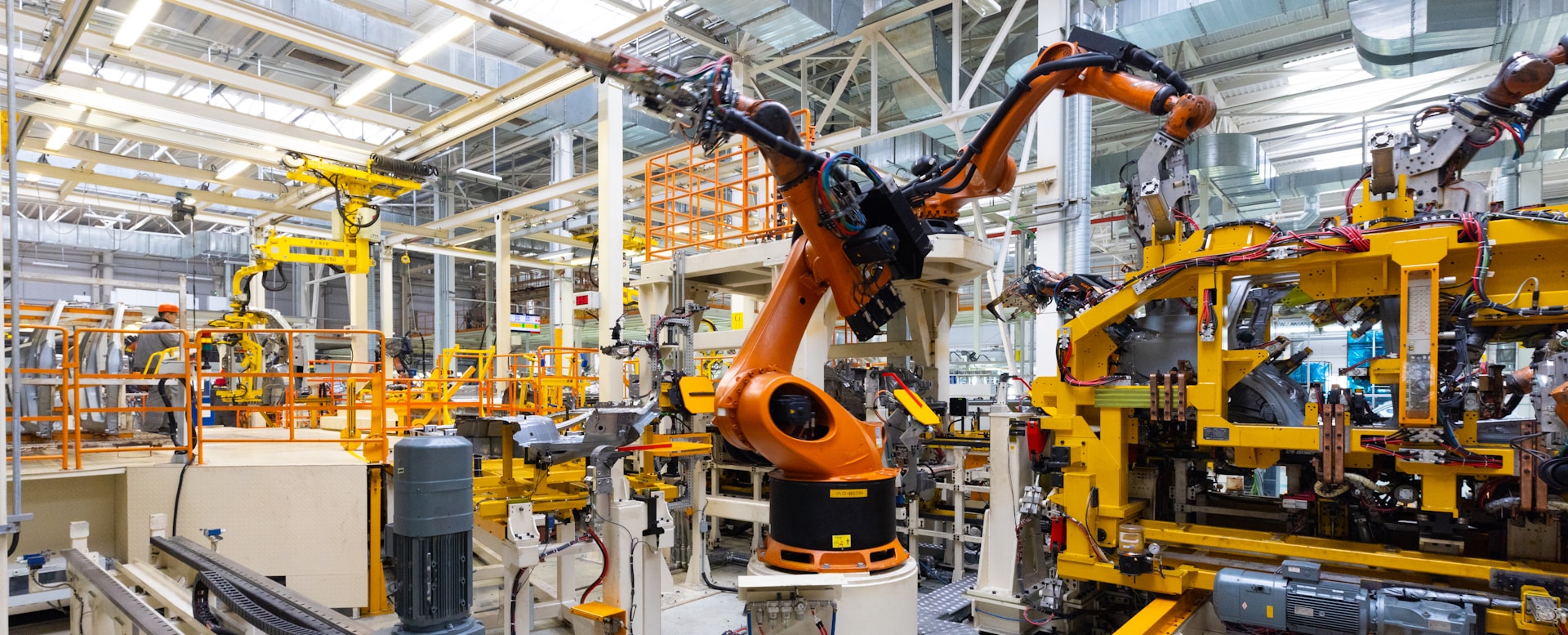
Mexico's industrial sector experienced a significant contraction in Q3 2025, impacting overall GDP. Primary activities saw growth, while tertiary remained stable.
INEGI announced that the Mexican economy showed a contrasting performance during the third quarter of 2025. According to seasonally adjusted figures, Gross Domestic Product (GDP) registered a slight decrease of 0.3% compared to the previous quarter and 0.2% compared to the same period in 2024.
Among the main activity groups, primary activities exhibited the best performance. This sector —comprising agriculture, livestock, fishing, and forestry— grew 3.5% on a quarterly basis and 2.9% annually, consolidating an accumulated growth of 3.1% year-to-date. Its positive momentum clearly contrasted with the rest of the economy.
The outlook was different for secondary activities, which encompass industry. In the July-September period, this sector declined 1.5% quarter-on-quarter and 2.7% year-on-year, positioning itself as the weakest component of the quarter. Original data shows declines in virtually all subsectors:
- Mining decreased by 5.0%.
- The generation and supply of electricity, water, and gas dropped by 1.4%.
- Construction retreated by 4.7%.
manufacturing, the most significant industrial component, decreased by 1.9%. Cumulatively, industry has recorded a 1.8% decline between January and September of this year.
Meanwhile, tertiary activities showed a more stable performance. With a quarterly increase of 0.2% and an annual increase of 1.0%, the services sector continues to advance, albeit without a marked acceleration. In the breakdown by activities, significant growth stands out in retail trade (4.4%), professional, scientific, and technical services (8.7%), and health and social assistance services (5.3%). Other segments, such as transportation, postal services, and warehousing, showed more moderate increases, while wholesale trade registered a 4.2% decrease.
The Institute explained that the seasonally adjusted results were obtained using the X-13ARIMA-SEATS model, used to eliminate calendar effects and allow for more precise comparisons between periods.
Continue Reading
The post
first appeared on Líder Empresarial.
More Articles

Meximold 2026 in Querétaro: Dates and Key Information
Jul 16, 2026

From Digital AI to Physical AI: Humanoids
Jul 10, 2026

From Fields to Laboratories: How Drug Trafficking Became a Global Industry
Jul 2, 2026

Middle East Conflict Brings Mexican Oil Closer to Japan
Jul 15, 2026

United States Decides Not to Renew USMCA: Which Jalisco Industries are at Risk?
Jul 2, 2026
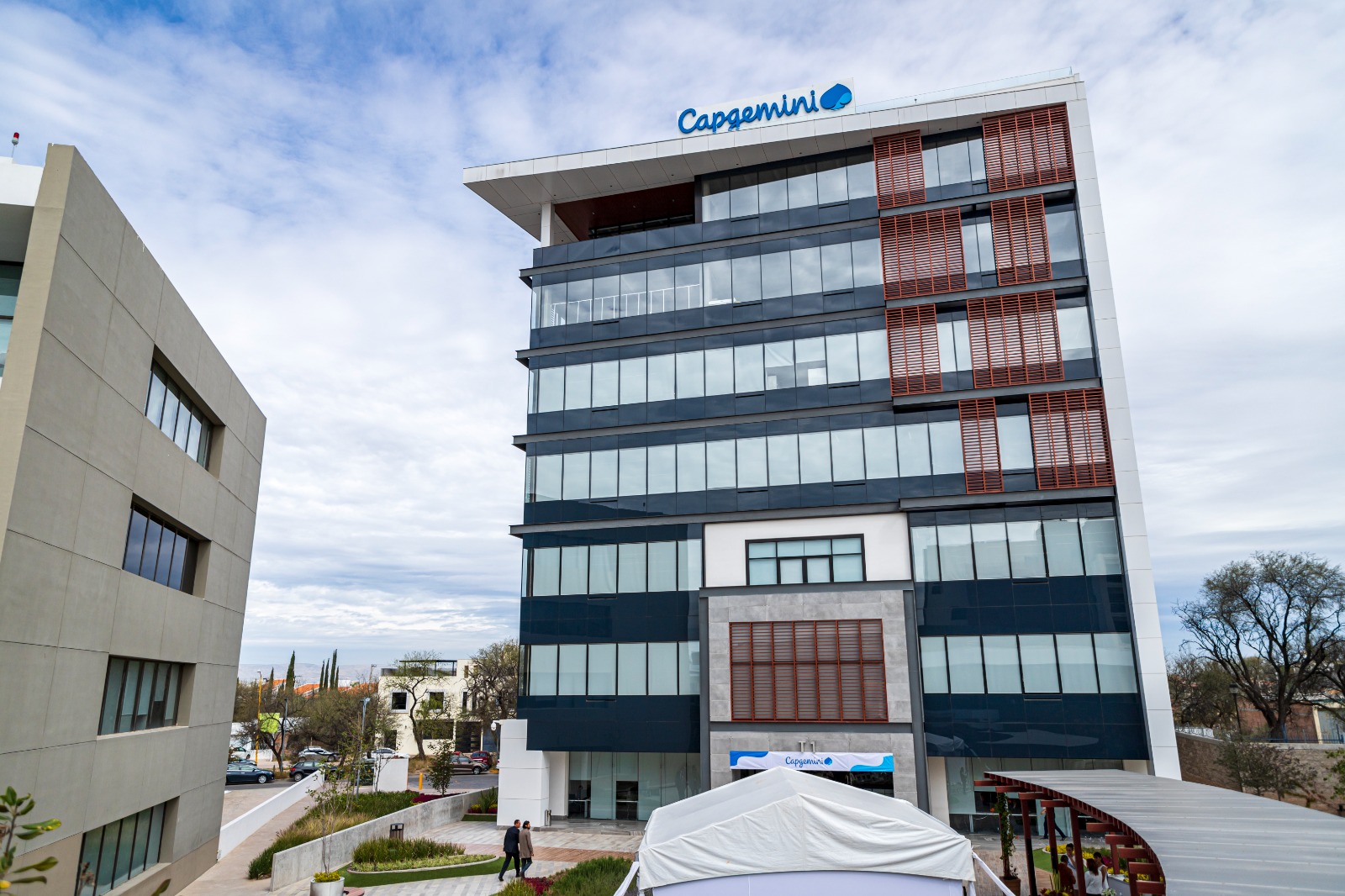
Capgemini to Open Second Global Delivery Center in Mexico; Facility to be Located in Bajío Region
Jul 16, 2026