
Iran Proposes Reopening Strait of Hormuz: What Are Its Demands of the United States?
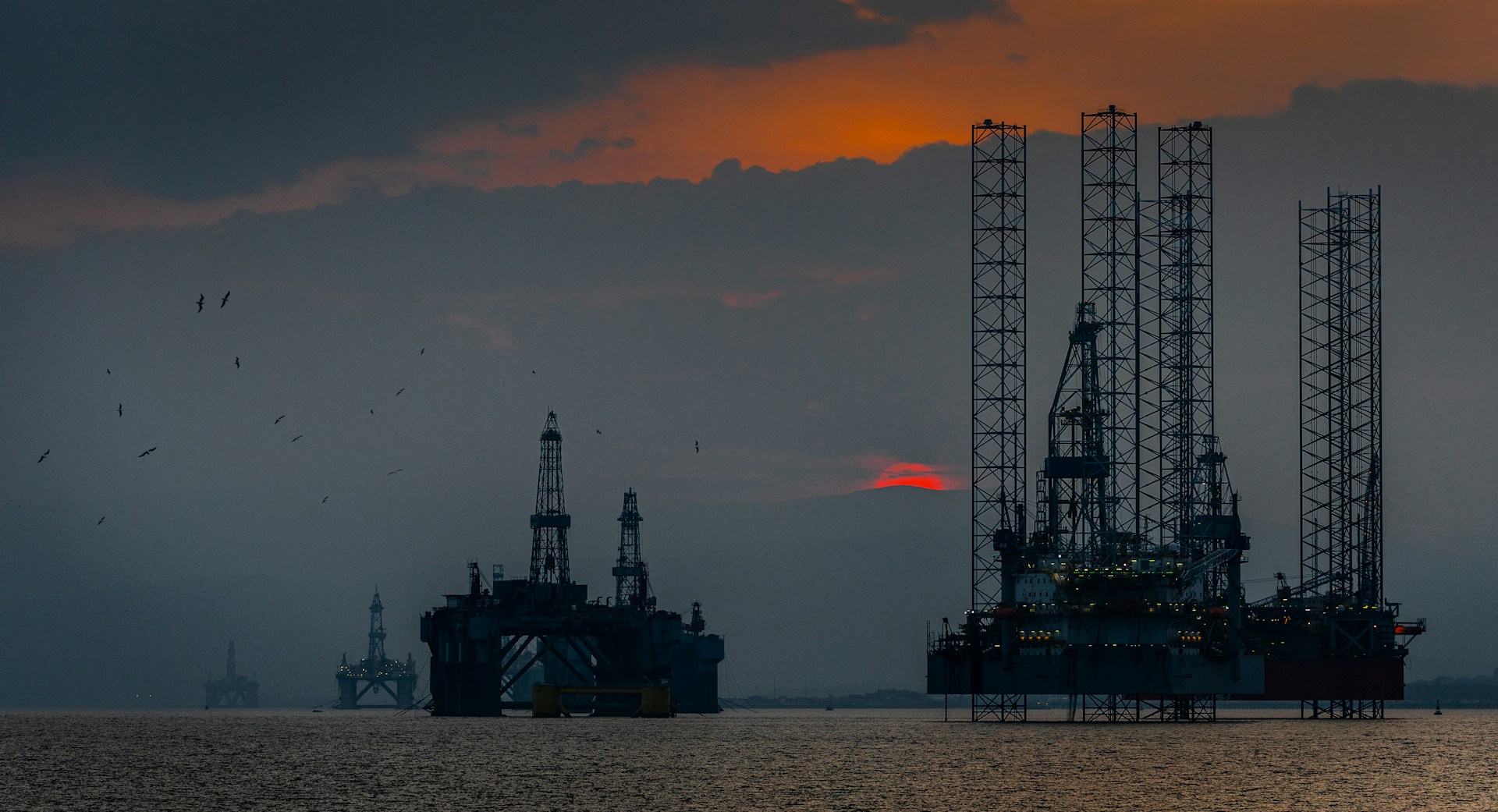
Iran could reopen the Strait of Hormuz within two days, resuming negotiations with the U.S. if Washington meets Tehran's conditions.
Iran has stated it could reopen the Strait of Hormuz within a two-day timeframe and resume negotiations with the United States, provided that Washington fulfills a series of conditions presented by Tehran in the ongoing indirect talks mediated by regional parties. According to Reuters, the
confirmed on November 2nd that the seven-step plan presented in September remains the basis for negotiations. However, Tehran now asserts it can be implemented in just 48 hours. The proposal includes the U.S. lifting the blockade on Iranian ports, Iran reopening the Strait of Hormuz, and Washington granting waivers on restrictions concerning Iranian oil sales. It also proposes canceling new sanctions before proceeding to discussions on other matters. Reuters notes that Ministry of Foreign Affairs spokesperson Esmaeil Baghaei reiterated that Iran will not resume negotiations on its nuclear program until it verifies that its conditions have been met. Furthermore, Tehran has rejected transferring its highly enriched uranium reserves to another country for the time being, which is one of the issues that has emerged in discussions between the two parties.
What Does Iran Demand to Reopen the Strait of Hormuz?
The conditions were detailed by Mohsen Rezaei, a senior Iranian security official, in statements reported by Al Jazeera. According to the outlet, Iran demands that the United States lift the naval blockade, grant waivers on oil sanctions, unfreeze Iranian assets abroad, and halt military operations on various fronts in the Middle East, including Lebanon. Tehran also requests that Washington recognize a bilateral agreement between Iran and Oman to regulate transit through the Strait of Hormuz. In an interview with Al Jazeera, Iranian Foreign Minister Abbas Araghchi confirmed that the original seven-day timeframe for beginning the reopening of the maritime route has been reduced to two days. However, the primary obstacle remains the order in which measures should be implemented. While Iran demands concessions before advancing on the nuclear issue, the United States maintains that progress on Iran’s atomic program must occur first.
What is Currently Happening in the Strait of Hormuz?
The proposal comes as navigation through the Strait of Hormuz continues to be affected by the conflict. According to Associated Press, Iran maintains a two-day plan to advance in reopening the strait and resuming talks with the United States, although a definitive agreement between the parties has not yet been reached. For its part, Reuters reported that the most recent talks concluded without decisive progress. Nevertheless, Tehran assured that contacts continue through intermediaries and that a draft proposal is still circulating. Military tensions also persist. Al Jazeera reported that vessels are being attacked in the area when they do not coordinate their transit with the authority established by Iran to control maritime passage. Simultaneously, markets reacted to diplomatic signals. Reuters reported a drop in international oil prices amid expectations that the talks could reduce the risk of further escalation. For now, the United States has not publicly accepted Iran’s conditions. Negotiations continue to focus on who should take the first step: Washington demands progress on the nuclear program, while Tehran conditions any formal negotiation on the prior fulfillment of its demands.
The entry
appears first on Líder Empresarial.
More Articles

San Miguel de Allende Recognized as Colonial City at Meetings & Events 2026 Awards
Oct 23, 2026

Guanajuato Amasses Over 47,000 Tourism Registrations: OTEG
Oct 27, 2026
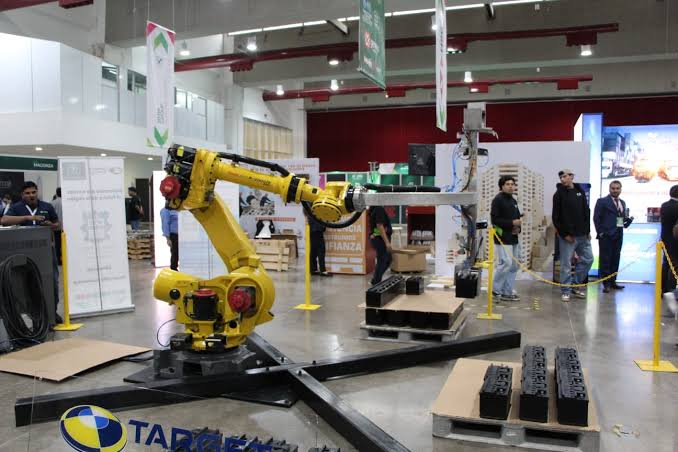
Expo Potosí Industrial 2026: Opportunities for Suppliers in San Luis Potosí
Oct 6, 2026

Working Less Doesn't Mean Producing Less: The New Productivity Equation
Oct 21, 2026

The Automotive Industry Drives Mexico Again
Nov 1, 2026
German Company Mankiewicz to Generate How Many Jobs in Querétaro?
Oct 28, 2026