
San Luis Potosí Gains Ground as North American Logistics Hub
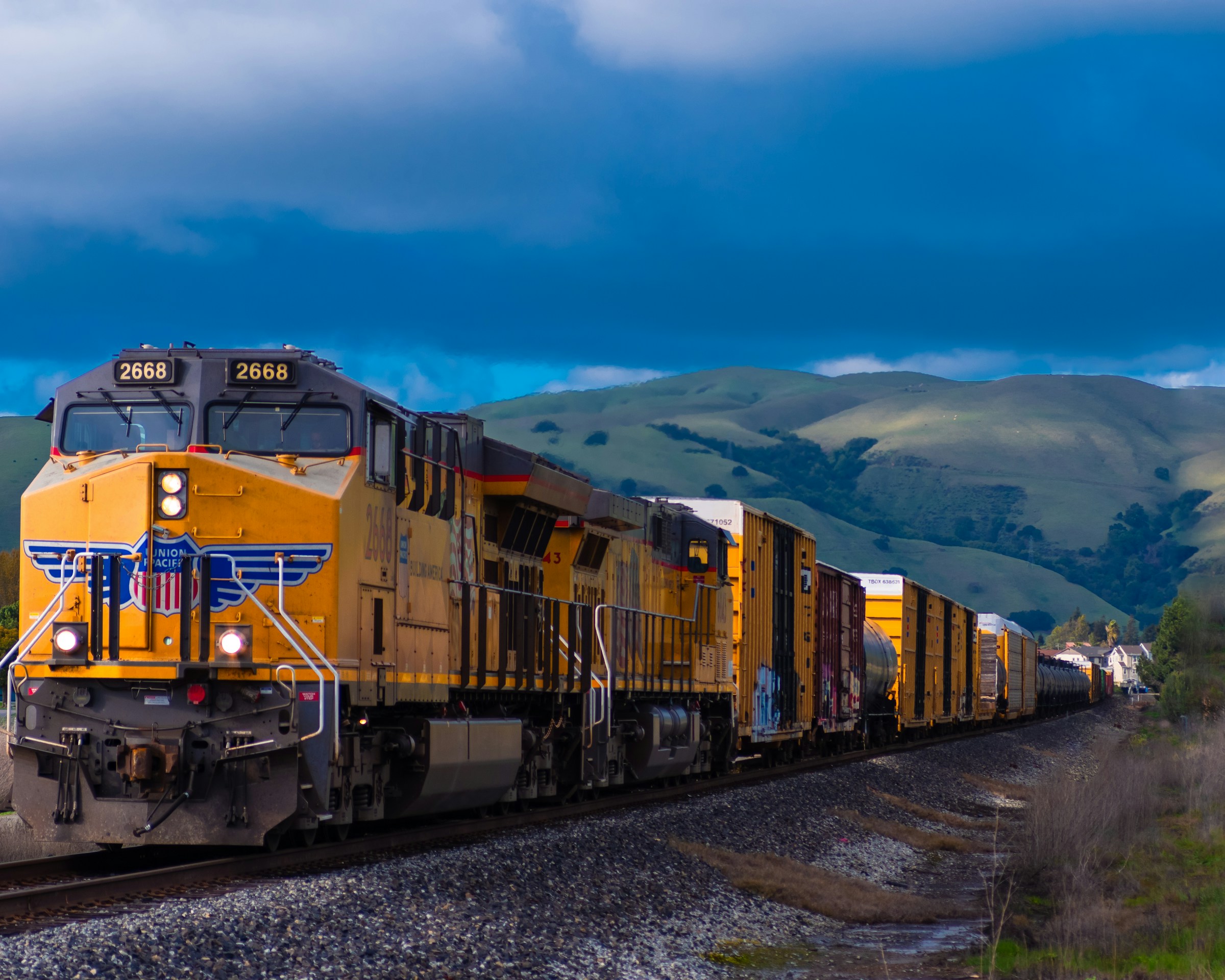
San Luis Potosí is leveraging its strategic location and intermodal infrastructure to become a key player in North American supply chains.
San Luis Potosí’s position within North American supply chains is beginning to take on a new dimension. In addition to its manufacturing activity, a transportation network allows for the combination of rail and road to move goods between industrial centers, borders, and ports. This potential was one of the central themes of the Intermodal Advantage event, which included representatives from Canadian Pacific Kansas City (CPKC), Bison Transport, and the Secretariat of Economic Development (Sedeco). The discussion raised a relevant question for the state’s economic development: Can San Luis Potosí leverage its location and infrastructure to become an increasingly important distribution point within trade between Mexico, the United States, and Canada?
Why San Luis Potosí Can Gain Ground as a Logistics Hub in North America?
San Luis Potosí’s advantage is not solely dependent on its geographical location. Its main strength lies in the ability to integrate different modes of transport within a single logistics chain.
On one hand, the state is situated on CPKC’s rail network, the first and only single-line rail network connecting Mexico, the United States, and Canada. The company operates approximately 20,000 miles of track across the three countries and has access to strategic North American markets and ports.
On the other hand, the state is located along road corridors that allow for the movement of goods towards the northern border, the central region of the country, and the Pacific and Gulf ports. Therefore, the combination of rail, trucking, and intermodal terminals can become a tool to reduce transfers, diversify routes, and improve transit times.
Rail Connects San Luis Potosí to Chicago in 98 Hours
One of the main arguments for considering San Luis Potosí in North American logistics is CPKC’s Mexico Midwest Express (MMX) service. This route connects San Luis Potosí, Monterrey, Texas markets, Kansas City, and Chicago via a single-line intermodal rail service. According to CPKC, the journey between Chicago and San Luis Potosí has a total transit time of 98 hours, equivalent to just over four days. The company indicates that this service reduces travel time by approximately one day compared to its closest rail competitor. Furthermore, MMX trains were designed to compete with trucking in the north-south corridor. Thus, a company located in San Luis Potosí can integrate via rail into a chain that crosses the Mexican border and continues towards some of the major distribution centers in the U.S. Midwest.
San Luis Potosí Also Has Rail Connection to the Port of Lázaro Cárdenas
The state’s rail connectivity is not limited to trade with the United States. The Port of Lázaro Cárdenas, one of the main Pacific maritime access points in Mexico, identifies San Luis Potosí within its direct rail connections. The Lázaro Cárdenas-San Luis Potosí route spans approximately 792 kilometers, with estimated transit times of 38 to 50 hours, and is operated by CPKC. It also connects directly with an intermodal terminal within San Luis Potosí. This connection opens another logistical dimension: goods originating from Asian markets can enter through the Pacific and be transported by rail to the central region of the country, and subsequently continue to the United States. In this way, San Luis Potosí can function not only as a point of origin for manufactured products but also as a space for transferring and distributing goods.
Learn More
Bison and CPKC Integrate Rail and Trucking in North America
Bison Transport’s presence at the event also reflects the growing integration between trucking and rail transport. In January 2024, Bison and CPKC signed an agreement to develop intermodal services along the railway’s north-south corridor, with operations between Canada, the United States, and Mexico. This model allows for combining rail for long-distance journeys with trucking for picking up or delivering goods at origin and destination points. Additionally, both companies presented the agreement as a tool to address the growth in cross-border movements driven by manufacturing reshoring in Mexico. Precisely, this combination was one of the axes analyzed during Intermodal Advantage, aiming to utilize each mode of transport where it is most efficient to reduce costs and strengthen the continuity of supply chains.
What Roads Connect San Luis Potosí to Major Markets?
Road infrastructure completes the multimodal component. The Secretariat of Infrastructure, Communications, and Transportation (SICT) places San Luis Potosí within two national road corridors particularly relevant for goods movement:
- Mexico-Querétaro-San Luis Potosí-Saltillo-Monterrey-Nuevo Laredo, with an additional connection towards Piedras Negras. This corridor allows the state to connect with one of the main land entry points into the United States.
- Manzanillo-Guadalajara-Lagos de Moreno-San Luis Potosí-Tampico, with branches to Lázaro Cárdenas.
In essence, San Luis Potosí is at the intersection of north-south and east-west movements, facilitating connections to both the border and the Pacific and Gulf of Mexico ports.
Exports Drive Demand for Logistics Infrastructure
Logistical potential is also linked to the volume of production that needs to be moved to international markets. During the first quarter of 2026, San Luis Potosí’s exports reached $6.2684 billion dollars, positioning the state ninth nationally by export value. Furthermore, virtually all of its foreign sales came from manufacturing. 99.9% of exports from San Luis Potosí corresponded to the manufacturing sector. Within this amount, transportation equipment manufacturing contributed $4.5051 billion dollars, highlighting the significance of the automotive industry in the state’s trade flows. Therefore, increased rail and intermodal capacity not only represents an opportunity to attract companies but can also meet the logistical needs of an industrial base that currently moves billions of dollars in products abroad.
What Advantages Does Intermodal Transport Offer San Luis Potosí Companies?
For companies, the combination of rail and road can expand options for designing their supply chains. Key benefits include the ability to transport goods by rail for longer hauls and use trucks for the “first and last mile.” Additionally, having different corridors reduces reliance on a single transportation mode and allows for evaluating alternatives based on cost, time, capacity, or destination. CPKC states that its intermodal services offer direct connections between Mexico and the U.S. Midwest, while the alliance with Bison aims to extend these movements through trucking solutions across the three North American countries. Thus, San Luis Potosí’s logistical competitiveness will increasingly depend on how efficiently it can connect its industrial production to these networks.
Is San Luis Potosí Already a North American Logistics Hub?
The data indicates that the entity possesses the elements to strengthen its position as a logistics node, particularly due to the convergence of rail and road corridors, an exporting industry, and international connections. San Luis Potosí’s ability to capitalize on this will depend on increasing intermodal infrastructure, facilitating cargo transfers, and connecting more companies with the networks that already link the state to Chicago, Texas, Nuevo Laredo, Lázaro Cárdenas, and other North American markets. In this scenario, San Luis Potosí gains ground not only by being geographically central but by its potential capacity to become a nexus where production, road, and rail converge within a single supply chain.
You May Also Be Interested In
The article originally appeared on Líder Empresarial.
More Articles

ITESO: Jalisco's Formal Employment Enters Zone of Pressure
Oct 1, 2026

Monterrey Airport to Feature Mega Solar Park: How Many Panels Will Be Installed?
Sep 29, 2026
Aeroméxico Under Investigation for Potential Data Breach: What Information Is at Risk?
Sep 21, 2026

Guadalajara-Paris: Dates, Frequencies, and Key Details of the New Flight
Sep 7, 2026
Data Centers Drive New Cooling Technology in Mexico
Sep 23, 2026

San Luis Potosí Households Report Nearly 100,000 Pesos in Quarterly Income: INEGI
Sep 28, 2026