
Will Artificial Intelligence Be Regulated in Mexico? Initiatives Under Consideration
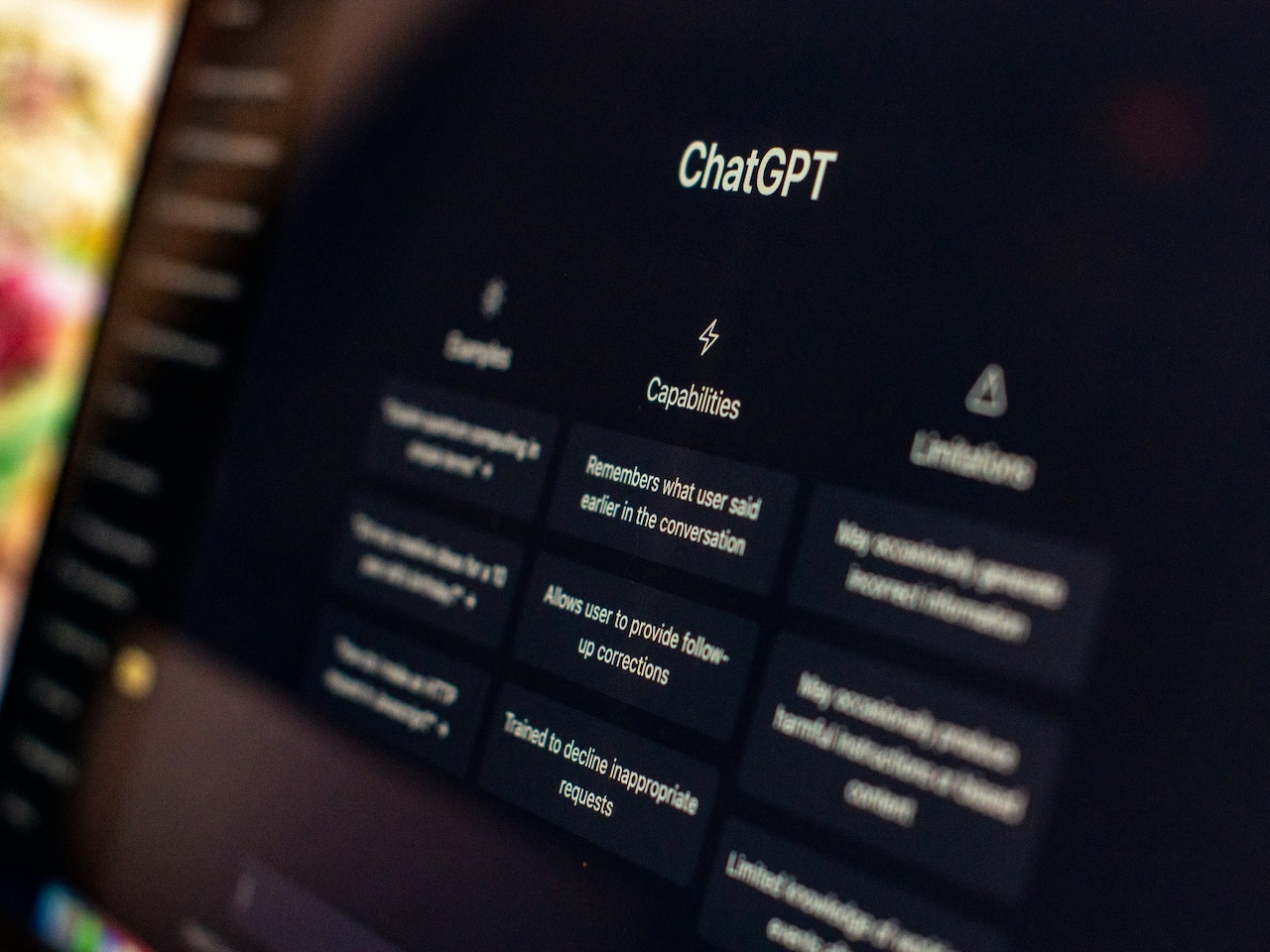
Mexico is actively discussing AI regulation to balance innovation, rights protection, and economic competitiveness.
Artificial Intelligence (AI) in Mexico has transitioned from a future technology to a present tool impacting the economy, government, education, and daily life. Amidst its accelerated adoption, Mexico has initiated a new phase of discussion to define the rules governing the development and use of this technology in the country.
President Claudia Sheinbaum Pardo has formally opened the national debate on AI regulation, emphasizing the need to build a regulatory framework responsive to national conditions and inclusive of various societal sectors. She highlighted that this conversation should not be confined to the Federal Government but requires participation from the Congress of the Union, specialists, universities, businesses, and citizens through public consultation forums. The objective, she explained, is to strike a balance between technological innovation, rights protection, and economic competitiveness, avoiding both a lack of rules and excessive regulation that could stifle the growth of the digital ecosystem.
Mexico’s Own Artificial Intelligence Regulation
The legislative debate on Artificial Intelligence in Mexico will formally commence in the Chamber of Deputies. Ricardo Monreal Ávila, President of the Political Coordination Board (Jucopo) and Coordinator of the Morena Parliamentary Group, underscored the urgency of establishing clear rules to ensure the responsible use of this technology.
The legislator pointed out that AI already has a direct impact on political communication, public institutions, and citizens’ daily lives, necessitating Mexico’s progression toward forward-looking legislation. The proposal suggests that the country should not merely replicate international models but should develop its own framework that considers its economic, social, and productive needs.
In the Senate of the Republic, progress is also being made through the Commission for Analysis, Monitoring, and Evaluation of the Application and Development of Artificial Intelligence in Mexico, chaired by Senator Rolando Zapata. This commission has analyzed international experiences to identify risks and opportunities. One of the main discussion points is to avoid over-regulation, as seen in some regions where specialists believe certain restrictions have diminished incentives for technological investment.
Key objectives under consideration include:
- Establishing rules for the ethical and safe use of Artificial Intelligence systems.
- Protecting personal data, copyright, and privacy.
- Regulating applications that could affect human rights.
- Fostering innovation and business competitiveness.
- Defining responsibilities for developers and users.
While the European Union has advanced with risk-based legislation, and countries like South Korea have implemented regulatory frameworks to balance innovation and citizen protection, Mexico aims to define a path aligned with its own reality.
The landscape has also shifted due to uncertainty surrounding the North American Free Trade Agreement (NAFTA).
AI regulation was initially envisioned within a framework aligned with North America; however, the country is now exploring a more autonomous strategy.
Artificial Intelligence Advances in Mexico: Businesses, Jobs, and Rights at Stake
The need to regulate AI also stems from its growing adoption within Mexico’s productive sector. According to KPMG data, seven out of ten companies in Mexico are already utilizing AI tools in their operations. Furthermore, these companies report significant benefits in productivity and efficiency from these technologies. The consulting firm estimates that Mexican companies will invest approximately $171 million USD in AI over the next 12 months, a figure reflecting the private sector’s increasing interest in incorporating these solutions. Globally, the projected average investment reaches $186 million USD per company, confirming that technological competition remains a key economic driver.
However, the advancement of Artificial Intelligence also presents new challenges related to employment, intellectual property, and digital security. The dubbing and audiovisual creation sectors have seen intensified debate. The development of synthetic voices and voice cloning tools has raised questions about the labor rights of actors, voice artists, and creators. In response, Mexico has already approved modifications to the Federal Labor Law and the Federal Copyright Law to protect the commercial exploitation of voice and image against generative AI. These reforms were published in the Official Gazette of the Federation on May 14, 2026.
To date, legislative discussions have considered reforms in various areas:
- Political Constitution of the United Mexican States: 19 initiatives seek to grant Congress the authority to legislate on AI.
- Federal Penal Code: 14 proposals aim to penalize crimes related to deepfakes, extortion, and digital violence.
- Public Governance: 15 initiatives propose the creation of specialized bodies or oversight structures.
- Federal Copyright Law: 10 initiatives seek to protect the voice, image, and moral rights of creators.
- General Law of Education: Seven proposals promote digital literacy and the ethical use of AI.
- Rights of Children and Adolescents: Seven initiatives aim to regulate technologies like facial recognition.
- Federal Labor Law: Three proposals analyze the labor impacts of automation.
Since April 2023, Congress has received 85 initiatives related to Artificial Intelligence, of which 67 remain pending approval.
Mexican Government Invests in Public AI, but Specialists Call for a Comprehensive Vision
Thus far, the federal strategy has primarily focused on the use of Artificial Intelligence within the public sector. The National Artificial Intelligence Plan developed by the Digital Transformation and Telecommunications Agency aims to strengthen technological sovereignty, promote governmental applications, and develop strategic infrastructure such as the Coatlicue supercomputer.
Nonetheless, specialists point out that further progress is needed on issues such as labor protection, creator rights, user security, and the regulation of personal data usage. The discussion also extends to the educational sector. On June 19, 2026, Claudia Sheinbaum emphasized the need to regulate AI use in education, particularly to ensure the responsible utilization of these tools.
The challenge will be to craft regulations that support innovation without hindering it. Data indicates that Mexican society is already coexisting with this technology:
- 66% of Mexican internet users employ some AI tool in their daily lives.
- 20.1% of the working-age population incorporates AI into their professional activities.
- 63% of users believe this technology will positively transform their lives.
- 40% of companies recognize its potential for process automation.
- The Ministry of Economy identifies potential productivity increases of 18.8% and salary increases per worker of 5.4% through its adoption.
However, significant concerns persist:
- Over 70% of digital users are unaware if clear rules exist for AI use.
- 68% fear risks related to identity theft and deepfakes.
- 60% are unaware that their data can be used to train Artificial Intelligence models.
Mexico’s challenge will be to create a legal framework that considers both economic opportunities and social risks.
You may also be interested in:
This article originally appeared on Líder Empresarial.
More Articles

Foodex 2027: How Japan Can Forge New Avenues for Mexican Tequila
Oct 6, 2026

Toyota Corolla 2027 in Mexico: Pricing and Key Features Revealed
Sep 26, 2026

Industrias Tajín Invests 500 Million Pesos: Project Details for Jalisco
Sep 24, 2026
Monterrey Leads New Alliance Between Technology and Health: TCS Drives Digital Transformation
Sep 23, 2026

Mexico Accelerates in E-commerce: Consumer Packaged Goods Online Sales Grew 35%
Oct 2, 2026
What Will Happen with Canada in the USMCA Negotiations? Sheinbaum Confirms Separate Progress with the US
Oct 12, 2026