
Digital Transformation is Key to Competing in the 2026 USMCA: Deloitte
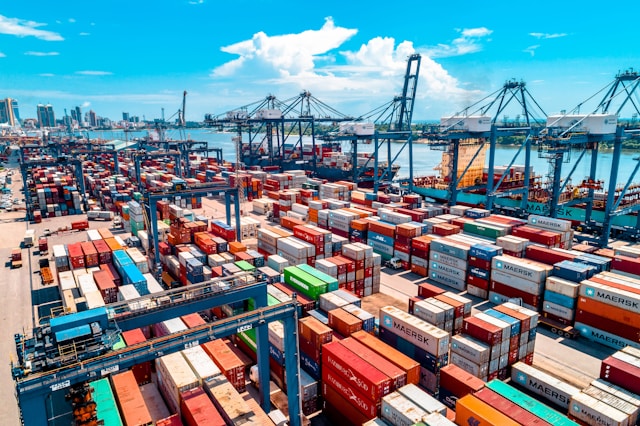
Deloitte emphasizes that digital transformation is crucial for North American businesses to adapt to the evolving USMCA landscape and maintain competitiveness.
Digital Transformation, Key to Competing in the 2026 USMCA: Deloitte
The review of the United States-Mexico-Canada Agreement (USMCA) presents one of the main challenges for North America’s productive sector towards 2026. However, for Deloitte, the biggest risk lies not only in potential changes to the trade agreement but also in companies’ ability to rapidly adapt to an increasingly dynamic regulatory environment. In an interview with Líder Empresarial, Juan Pablo Zavala, a partner in Foreign Trade at
, explained that digital transformation has become the primary enabler for organizations to maintain their competitiveness, strengthen their supply chains, and respond promptly to the changes brought about by the USMCA review. More than a technological trend, he stated, it is a business strategy that will allow companies to operate with greater resilience in one of the world’s most important markets.
############## The USMCA’s Uncertainty Demands a Digital Strategy, Not Waiting for Greater Certainty
Although the outcome of the trade agreement review is not yet known, Zavala believes that companies must assume the agreement will undergo modifications, either through adjustments to the treaty itself or through new bilateral agreements. In this context, he pointed out that many investment decisions continue to be postponed due to regulatory uncertainty. However, he warned that the main mistake is waiting for a completely defined scenario before acting.
“The most competitive businesses are those that develop digital capabilities that allow them to react quickly to any modification in trade rules, rules of origin, or customs compliance,” he explained.
From Deloitte’s perspective, digital transformation should focus on generating greater supply chain visibility, automating critical processes, and providing reliable information for more agile decision-making. These capabilities, he added, allow for a faster response to regulatory changes, identification of supplier regionalization opportunities, and strengthening of competitiveness within North America.
Productivity Will Depend on How Companies Integrate Technology
In an environment where labor costs are rapidly evolving, organizations are seeking new tools to increase operational efficiency without relying solely on workforce growth. According to Zavala, the most competitive companies are incorporating technologies such as:
- Artificial Intelligence (AI)
- Industrial Internet of Things (IIoT)
- Advanced Analytics
- Intelligent Automation
One of the most visible examples is the installation of sensors in industrial equipment to monitor critical variables in real-time and anticipate maintenance before a failure occurs. This practice helps reduce downtime, extend asset lifespan, and increase productivity. He also highlighted the growing adoption of machine vision systems and high-speed cameras capable of detecting quality deviations that are difficult to identify through traditional inspections.
However, Zavala emphasized that the true value does not come solely from implementing new technological tools.
“The true competitive advantage does not come solely from implementing technology, but from integrating the information generated throughout the organization and turning data into timely decisions.”
Traceability Will Be Key to USMCA Compliance
One of the biggest challenges for manufacturing companies will be demonstrating the origin of each component used in their production processes. According to Deloitte, traceability is already one of the most relevant elements for proving compliance with the USMCA’s rules of origin and customs provisions. Currently, organizations use foreign trade management platforms, integrated ERP systems, and specialized tools that allow them to track each component from its acquisition to its incorporation into the final product and subsequent export. Additionally, these solutions facilitate compliance with obligations related to temporary imports and generate essential documentary evidence during audits or verifications by authorities.
The Deloitte Foreign Trade partner stressed that technology must be accompanied by reliable information.
“Data quality remains fundamental, as effective traceability depends on the reliability of the information fed into the tool.”
Investing in Technology is No Longer Optional
Regarding the budget allocated for digital transformation, Zavala dismissed the idea of a universal percentage applicable to all organizations. The decision will depend on the sector, the level of technological maturity, and the growth strategy of each company. What is undeniable, he stated, is that technological investment is no longer a discretionary expense.
“The conversation should not be about whether it’s worth investing, but about what capabilities the organization needs to develop to remain competitive by 2026.”
In highly regulated industries, such as automotive, he added, these investments are now an indispensable condition for maintaining the trust of international clients.
Real-Time Data Will Be the Best Tool to Avoid Border Delays
With increasing complexity in trade operations, Deloitte recommends that companies adopt management based on operational and compliance indicators. Among the variables that should be continuously monitored are:
- Status of customs operations
- Average border crossing times
- Goods release times
- Documentary compliance of the foreign trade file
- Inventory management under the temporary regime (Annex 24)
- Customs broker performance
- Cargo security incidents
- Tampered seals
- Extraordinary waiting times at international crossings
For Zavala, the objective should be to anticipate risks before they generate operational impacts.
“The goal should not be just to react when a problem arises, but to anticipate it through timely and reliable information.”
Manual Processes Increase Financial Risk
Deloitte also warns that relying on spreadsheets, physical files, or manual processes represents a growing risk given the tightening of reviews by authorities. Zavala explained that audits currently require large volumes of information within short deadlines. Organizations operating with digital platforms have immediate access to the required documentation and can pre-validate its consistency. In contrast, errors resulting from manual processes can translate into:
- Payment of omitted contributions
- Fines
- Seizure of goods
- Suspension of the importer registry
- Cancellation of deferral programs
- Loss of certification for VAT and IEPS matters
Therefore, he argued, digitalization must also be understood as a comprehensive financial risk mitigation strategy.
The First Step: Know the True Origin of Products
In anticipation of the USMCA review, Zavala believes that every organization should start by answering a fundamental question: do their products currently comply with the treaty’s rules of origin? To do this, he explained, it is essential to have an accurate tariff classification, know the origin of materials and components, have complete visibility of the supply chain, and build solid documentary evidence to support these determinations. Once these processes are strengthened, companies will be able to develop digital traceability schemes that allow them to respond quickly to any regulatory changes.
“Beyond regulatory compliance, the true value of this transformation is to build a more resilient operation prepared to compete within the North American region,” he concluded.
The entry
first appeared on Líder Empresarial.
More Articles

Sheinbaum in Querétaro: Train Projected for Completion in 2027
Sep 21, 2026

China Extends Antidumping Investigation into Mexico: Impact on Pecans?
Sep 10, 2026

San Luis Potosí Households Report Nearly 100,000 Pesos in Quarterly Income: INEGI
Sep 28, 2026

Medical Tourism in Jalisco: Potential and Key Hubs Identified
Sep 21, 2026

San Luis Potosí's Hybrid Vehicle Fleet Grows 56%, Leading Bajío Corridor
Sep 24, 2026

Nuevo León and UNICEF: Why Childhood is Key to Economic Future
Sep 24, 2026