
Mexico-Queretaro Train: UAQ Proposes Linear Park to Enhance Urban Mobility
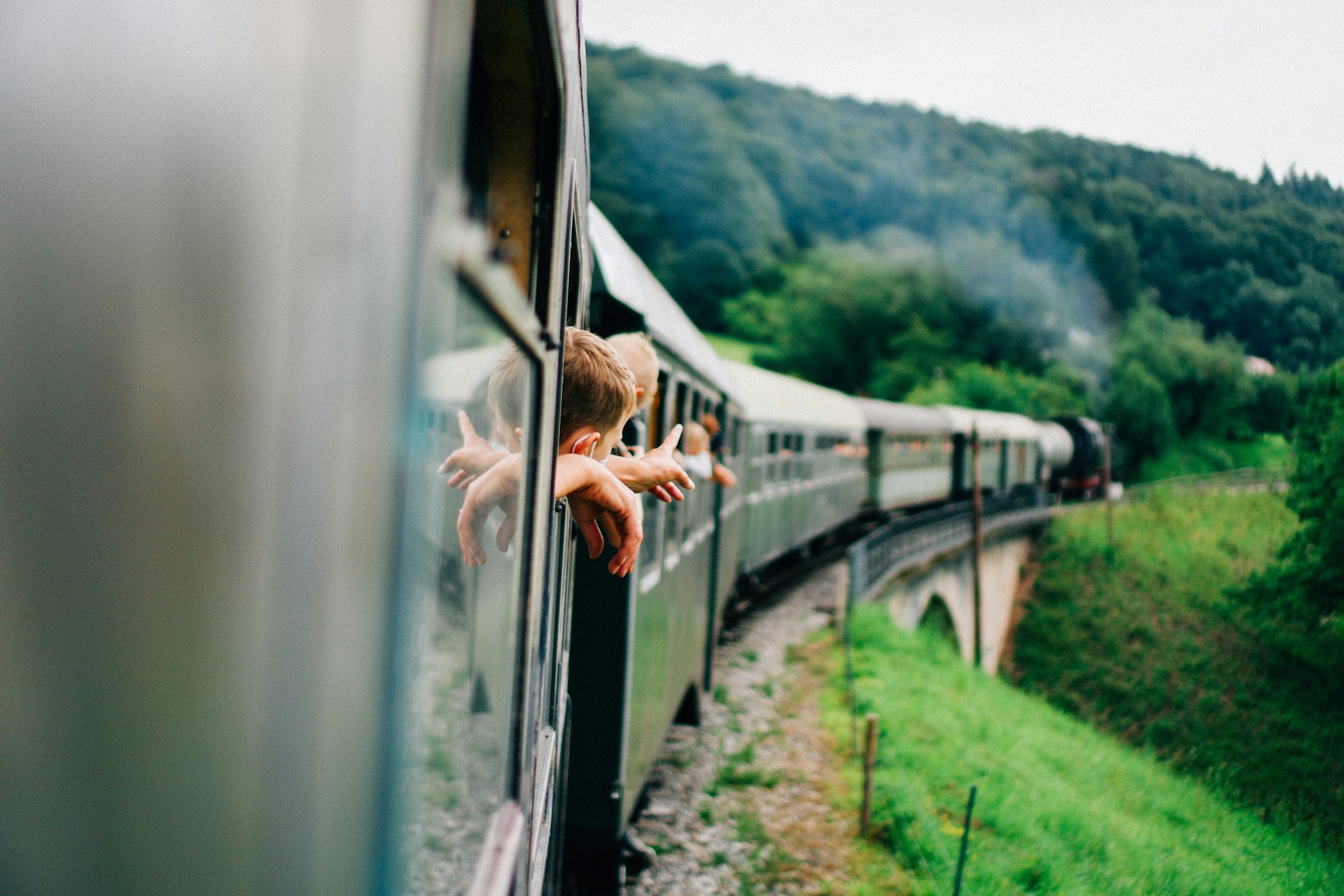
UAQ proposes a linear park along the Mexico-Queretaro train route to improve urban sustainability, safe mobility, and social participation in Queretaro.
The
UAQ Proposes Urban Intervention for Railway Segment
The project was developed by Dr. Avatar Flores Gutiérrez, a research professor at the Faculty of Engineering of the Autonomous University of Queretaro and coordinator of the institution’s Master’s in Architecture program.
The proposal aims to address the urban segment of the passenger rail plan that will connect Queretaro with Mexico City. Specifically, the concept proposes leveraging the train infrastructure to create a linear park that contributes to the social, environmental, and urban improvement of the area.
Furthermore, the proposal was presented during the meeting of the Qro District Council, an initiative promoted by UAQ, the National School of Higher Studies of the National Autonomous University of Mexico, and Tec de Monterrey. This space is oriented towards promoting applied research, social urbanism, and citizen participation.
Safe Mobility in the Old Station and El Tepetate Area
According to the specialist, the proposal would improve mobility in areas such as the Old Station and El Tepetate. Currently, vehicular, pedestrian, and cycling crossings present conflicting conditions.
Therefore, the project includes solutions that go beyond rail transit, addressing the needs of people walking, cycling, commuting by car, or visiting local markets.
In this regard, the intersection of Invierno street with the train tracks was identified as a strategic point due to its relationship with daily mobility and popular commerce. For this reason, the academic proposal considers this area to require priority attention within the urban design.
Elevated Crossings, Green Spaces, and Bike Lanes
After ruling out more complex scenarios from a technical and legal standpoint, the UAQ proposal focuses on the construction of elevated crossings in the intervention area.
These crossings would be inspired by models implemented in other cities worldwide, where railway infrastructure has been integrated with public spaces, green areas, pedestrian walkways, and bike lanes.
Additionally, the concept considers the possibility of incorporating a light rail vehicle to facilitate passenger transfer from the new station to nearby main roads. Through this, the project seeks to expand mobility options and improve the connection between the rail system and Queretaro’s urban fabric.
UAQ Proposes Alternative to Unsafe and Inaccessible Crossings
The design also incorporates a perspective of safety and accessibility. According to the university’s proposal, transforming the space through a linear park would overcome the traditional model of pedestrian bridges or underpasses.
In many cases, this type of infrastructure is perceived as unsafe or inaccessible for certain population groups. Therefore, the proposal aims to create more functional, inclusive, and integrated crossings with the surrounding environment. The project is also being developed in collaboration with local residents and civil associations.
Mexico-Queretaro Train Characteristics
The Mexico-Queretaro train involves a 226-kilometer passenger rail route, designed to connect Mexico City with Santiago de Queretaro in an estimated time of one hour and 50 minutes.
The project foresees a dedicated double track and will connect four states: Mexico City, State of Mexico, Hidalgo, and Queretaro. Additionally, six strategic stations are planned: Buenavista, Huehuetoca, Tula, San Juan del Rio, Queretaro Central (located in El Marques), and La Corregidora (in the Historic Center of Queretaro).
Regarding its operational characteristics, the train would have a maximum speed of up to 200 kilometers per hour. The units could transport between 271 and 632 passengers, depending on their configuration.
Institutional Coordination for a Complex Project
Dr. Avatar Flores Gutiérrez stated that the railway work involves authorities from all three levels of government, requiring technical, legal, and social coordination for its implementation.
In this context, approaches have been initiated with various entities to share the proposal and present the university’s vision for the sustainable utilization of the urban segment.
In this way, UAQ aims to put its technical, academic, and creative capacity at the service of society. The linear park proposal does not replace the railway project but offers a way to expand its urban, environmental, and social benefits.
The entry
More Articles
Wealth Without Structure: 81% of Large Estates in Mexico Lack a Continuity Plan
Sep 23, 2026

Jalisco Strengthens Banana Crop Health with Drones, Investing 930,000 Pesos
Sep 17, 2026

CLAUGTO Outlines Five Key Principles for Implementing Artificial Intelligence in Industry
Sep 22, 2026

Aguascalientes Lags National Average in Artificial Intelligence Adoption, Study Reveals
Sep 17, 2026
Most In-Demand Medical Specialties in Querétaro
Sep 22, 2026

Canada's Tariffs on US Goods Take Effect Today: What's the Impact on Mexico?
Sep 8, 2026