
What Makes Querétaro the Epicenter of Mexico's Aerospace Industry?
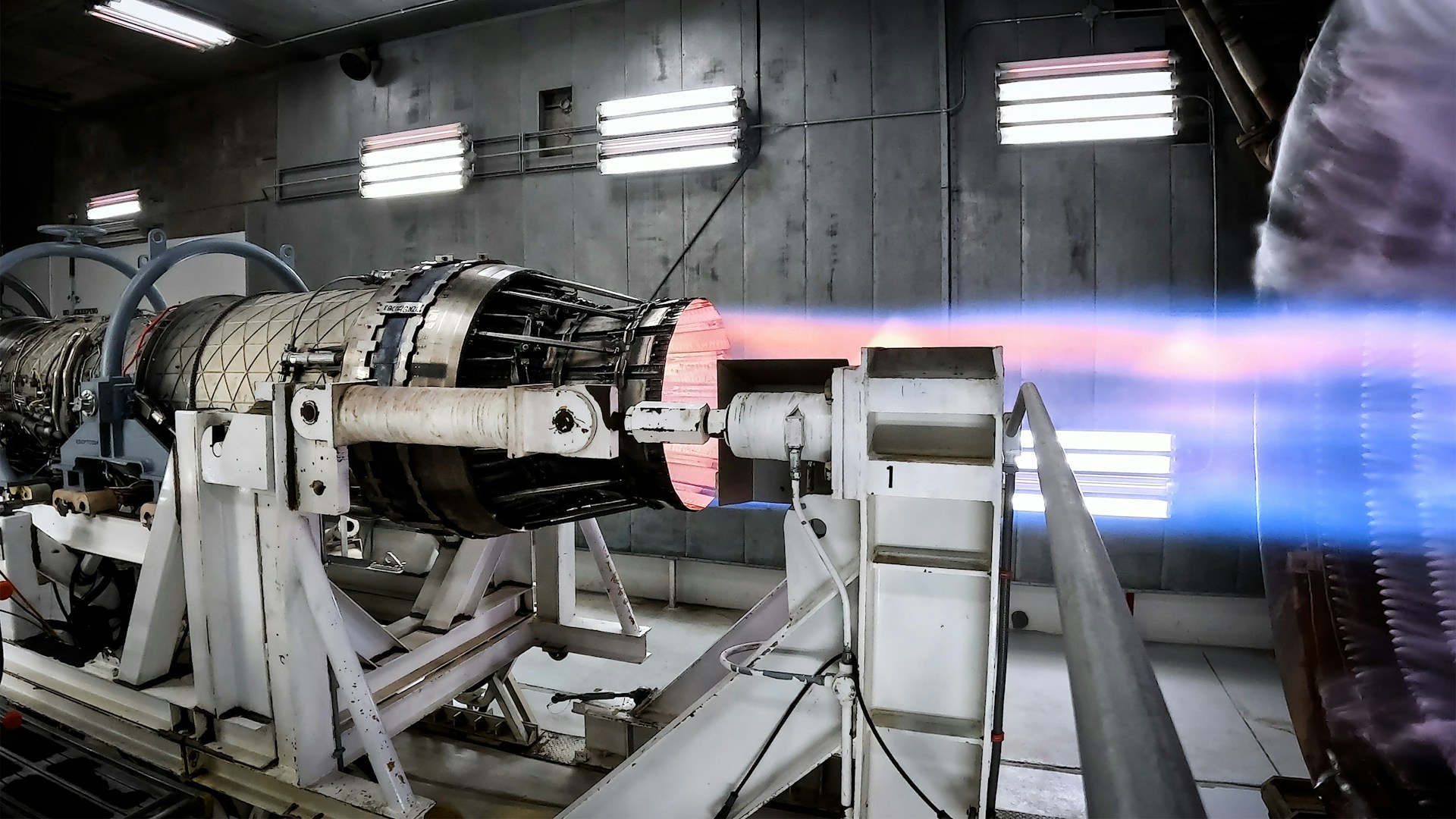
Discover why Querétaro leads Mexico's aerospace industry, driven by a robust cluster of over 80 companies, major OEMs like Safran and Bombardier, specialized suppliers, MRO services, and innovation centers.
Querétaro has solidified its position as Mexico’s primary
, establishing itself as a center of excellence that integrates advanced manufacturing, specialized services, and high-value innovation capabilities. According to a study conducted by Start-Ops Mexico, a firm dedicated to providing business administration services, the state represents the country’s most important and sophisticated aerospace cluster, with a production chain capable of covering virtually all stages of the industry. The development of this ecosystem has positioned Querétaro as a strategic hub within the global aeronautical industry, attracting foreign investment, leading companies, and technological projects that strengthen its regional competitiveness.
Over 80 Companies Form an Aerospace Ecosystem in Querétaro
One of the primary factors explaining Querétaro’s leadership is its business concentration. The aerospace cluster comprises over 80 specialized companies, including some of the most recognized firms in the global aeronautical sector. This industrial density generates strong synergies and enables the construction of a robust local supply chain, capable of responding to global demands with logistical efficiency, productive integration, and technical specialization.
Safran and Bombardier: Pillars of Querétaro’s Aerospace Cluster
Querétaro’s ecosystem is supported by the presence of original equipment manufacturers (OEMs) and top-tier international companies. Safran, one of the French aerospace giants, has transformed the state into one of its most relevant global centers, with multiple plants dedicated to producing critical components, including landing gear systems and parts for the LEAP engine. Meanwhile, Bombardier, the Canadian aircraft manufacturer, assembles the rear fuselage of its Global 7500 business jets in Querétaro, one of the most advanced models in the international corporate market. Companies like Airbus, GE Aviation, and Rolls-Royce also contribute to this ecosystem, maintaining significant operations and strengthening the state’s global projection.
Querétaro Consolidates a Network of Specialized Suppliers
The cluster is complemented by a robust network of first and second-tier suppliers that supply major manufacturers. Companies such as ITP Aero, dedicated to turbine components, and Diehl Aviation, which produces extra-large overhead compartments for the Airbus A220, are part of this industrial structure. Thanks to this framework, a significant proportion of an aircraft’s components can be sourced directly within the state, reducing costs, increasing logistical efficiency, and strengthening supply chain resilience. Querétaro stands out for its technical capability in high-precision aerospace manufacturing. The state’s facilities participate in the production of complex systems such as turbine blades, flight control surfaces, landing gear, and electronic assemblies for avionics. This productive profile positions the cluster within the industry’s highest value-added segments, with processes requiring international certifications, specialized human capital, and cutting-edge technology.
National MRO Center: Aeronautical Maintenance as a Stable Revenue Source
Beyond manufacturing, Querétaro has become a strategic center for Maintenance, Repair, and Overhaul (MRO) services, one of the most profitable and recurring segments of the aerospace sector. Delta TechOps and Safran operate large MRO facilities at Querétaro Intercontinental Airport, providing service to engines used by various airlines. This component offers a constant economic flow, strengthens regional specialization, and extends the productive life cycle beyond manufacturing.
Innovation and Research: Querétaro as a Technology Hub
Querétaro’s cluster is not limited to industrial production. The presence of engineering and design centers, operated by firms such as Safran and GE, drives advanced research and development activities. Collaboration with academic institutions and specialized centers enables the development of next-generation aerospace technologies, solidifying the state as an innovation hub within the sector. The post
first appeared in Líder Empresarial.
More Articles
Trade and Manufacturing: Employment Gains and Losses in Aguascalientes, Q4 2025
Feb 24, 2026
Ternium Expands Pesquería Plant: How Does It Strengthen Steel Production in Mexico?
Feb 20, 2026

Top Business News for Monday, March 2, 2026
Mar 2, 2026

Nuevo León Bolsters Highway Security Ahead of 2026 World Cup: How Much Was Invested in Security Reinforcement?
Feb 25, 2026
What is the Economic Cost of Road Blockades in Mexico?
Feb 23, 2026

Querétaro Municipality Exceeds 9.3 Billion Pesos in New Business Investment
Mar 2, 2026