
Will Federal Transportation Fares in Jalisco Drop to 11 Pesos? Here's What We Know
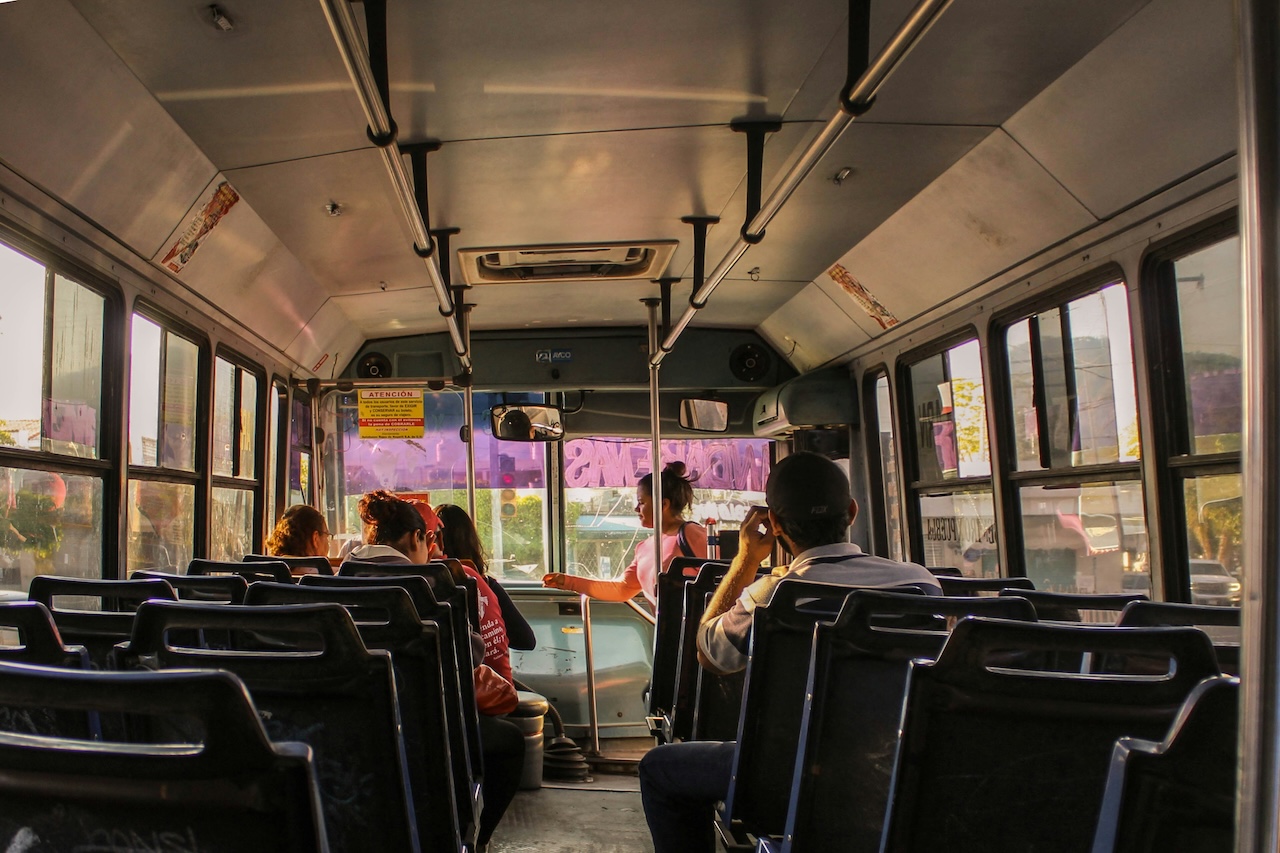
A legislative proposal seeks to standardize federal transportation fares in Jalisco to 11 pesos, addressing high costs and service deficiencies for over 300,000 daily commuters.
In the periphery of the Guadalajara Metropolitan Area, daily commuting entails not only time but also expense. The cost of federal public transportation, ranging from 15 to 18 pesos per trip, represents a significant economic burden compared to Jalisco’s state transportation fare of 11 pesos. In response, a proposal has emerged to standardize federal transportation fares with those of the state system. This initiative, spearheaded by Brenda Carrera, a congresswoman from the Green Ecologist Party of Mexico (PVEM), aims for the federal government to intervene and establish a more accessible and equitable cost for users.
Federal Transportation in Jalisco: Higher Fares and Fewer Benefits
This disparity is significant. For those who rely daily on public transport for work or study, monthly expenses can increase substantially. According to congresswoman Brenda Carrera, this issue is most evident in municipalities such as:
- Tlajomulco de Zúñiga
- El Salto
- Ixtlahuacán de los Membrillos
- Zapopan (peripheral areas)
After conducting site visits in these localities, the congresswoman gathered numerous citizen complaints, primarily related to:
- High fares compared to the state system
- Lack of fare integration (no discounted transfers)
- Deficiencies in service quality
- Prolonged waiting times, which in some cases exceed one hour
Proposal: Standardizing Jalisco’s 11-Peso Transportation Fare for Federal Routes?
In response to this scenario, Brenda Carrera announced that she will present a legislative agreement to urge the federal government to standardize federal public transportation fares with those of the state system in Jalisco. The proposal includes:
- Establishing a general fare of 11 pesos
- Reducing the cost to 5 pesos for students
- Applying a 5-peso fare for senior citizens
- Implementing discounted transfer schemes
- Ensuring minimum quality and frequency standards for the service
The congresswoman noted that the aim is not merely to reduce costs but also to dignify the service users receive. To that end, the proposal also stipulates that federal units must meet adequate conditions, as there are current reports of vehicles in poor condition and with operational deficiencies.
Over 300,000 Users Affected in Peripheral Areas
Furthermore, the impact of this issue is widespread. According to estimates shared in the State Congress, over 300,000 people daily use federal transportation routes in the peripheral areas of the Guadalajara Metropolitan Area.
This transforms the discussion into a matter of high social impact, particularly for sectors already facing limited economic conditions. For many families, transportation represents one of the primary daily expenses. The difference between paying 11 pesos and up to 18 pesos per trip can translate into hundreds of additional pesos per month. Therefore, fare standardization is proposed not only as a mobility measure but also as a policy to support family economies.
What’s Next for the Initiative?
The legislative agreement will be presented in an upcoming session of the Jalisco State Congress. However, it is important to emphasize that this constitutes an exhortation to the federal government, meaning its implementation does not directly depend on the local Congress. For the fare reduction to materialize, federal authorities, particularly those responsible for regulating transportation, would need to intervene and establish new conditions for the concessions. This opens several scenarios:
- The exhortation is approved and generates political pressure
- The federal government reviews fares and concessions
- Gradual adjustments are implemented in the service cost
- The proposal remains without binding effects
For now, there is no defined date for a potential fare reduction, but the issue is already on the table.
You might also be interested in:
The post
More Articles
Banxico Raises Mexico Growth Forecast to 1.5%: What Changed?
Aug 27, 2026
Mexico's GDP Grows 1.4% in the Second Quarter of 2026
Aug 24, 2026

Aguascalientes Companies Target Halal Market
Aug 19, 2026

Sidney Massunaga Appointed Mastercard Country Manager for Mexico
Sep 9, 2026

Financial Markets Today, August 17: Dollar, Fed, and Oil Define the Day
Aug 17, 2026

Canada's Tariffs on US Goods Take Effect Today: What's the Impact on Mexico?
Sep 8, 2026