
Aguascalientes: from Networks and Renders to Effective Planning and Execution: how to Move Forward?

Aguascalientes: From Networks and Renders to Effective Planning and Execution: How to Move Forward?
Each of these variables has changed in Aguascalientes in the last hundred years. For example, the population grew from approximately 35,000 inhabitants in 1900 to 1,510,000 inhabitants today. The capital continued to be the largest pole of industrial attraction and urban concentration; the neighboring municipalities already form, without order or agreement, a large metropolitan area, and the municipalities of northern Aguascalientes will continue to be condemned to dispersion, backwardness, and depopulation, a trend that, no matter what the rhetoric of governments says, no matter how many tourist attractions are installed, and no matter how many resources are dispersed in unproductive programs, is irreversible. This poses fascinating problems and complex dilemmas for the state and, especially, for the municipality of Aguascalientes, because it will be necessary to decide if the concentration-dispersion model, present until now, is the most efficient for a modern and creative urban development, or, as some in the world think, the terms must be reversed and, if it were still feasible, a process of aggregation of “neighborhoods” or “regions” should be done, but not necessarily of a large conurbation. This discussion is actually taking place in many places and it is worth taking a look at it.
More Articles
Sheinbaum Announces Update to Mexico-Switzerland Treaty: What It Entails?
Jul 9, 2026
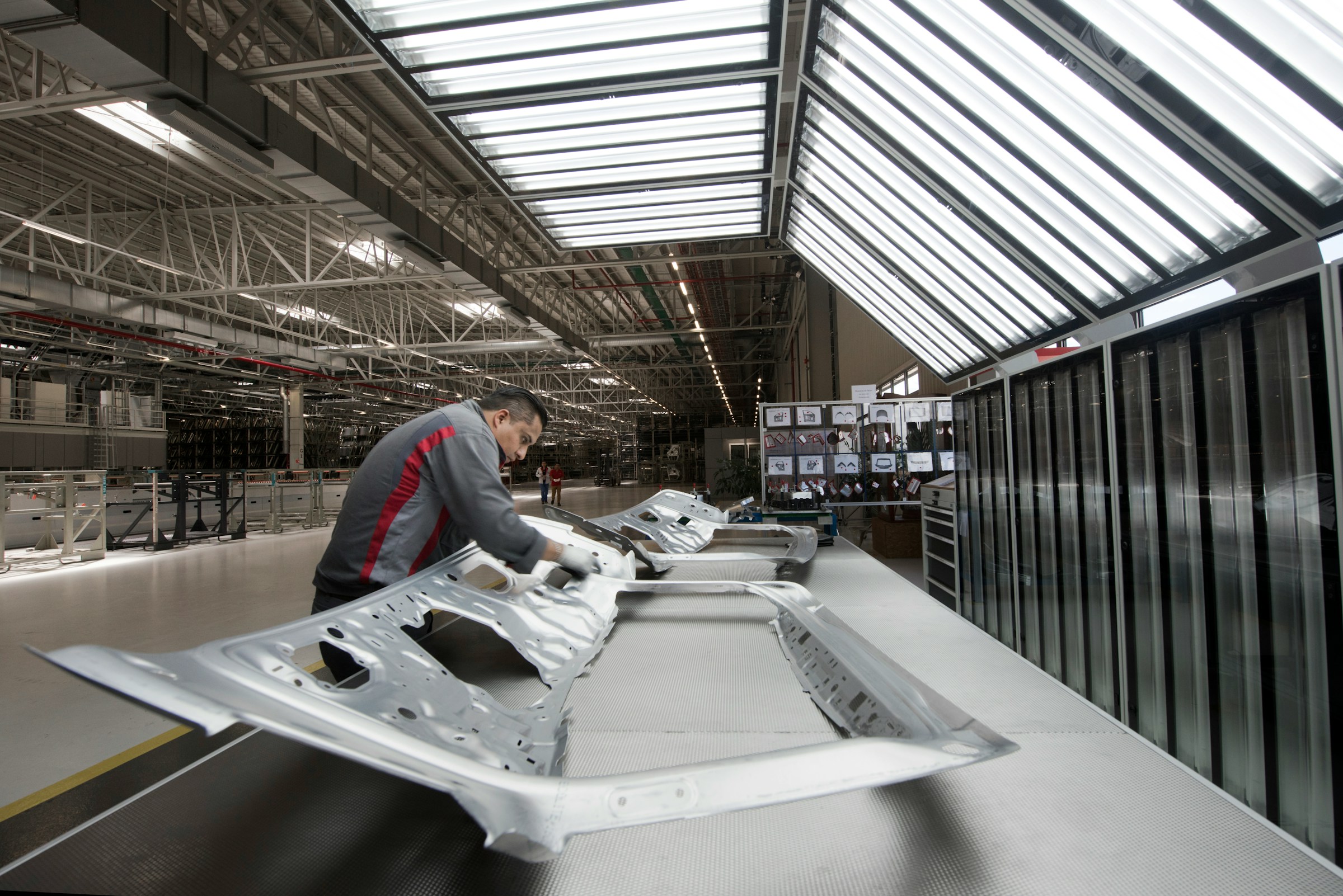
Automakers Shift Strategy; Suppliers Must Adapt: SLP Automotive Cluster
Jul 20, 2026

E-commerce Captures 10.1% of Sales Value Following Hot Sale
Jul 27, 2026
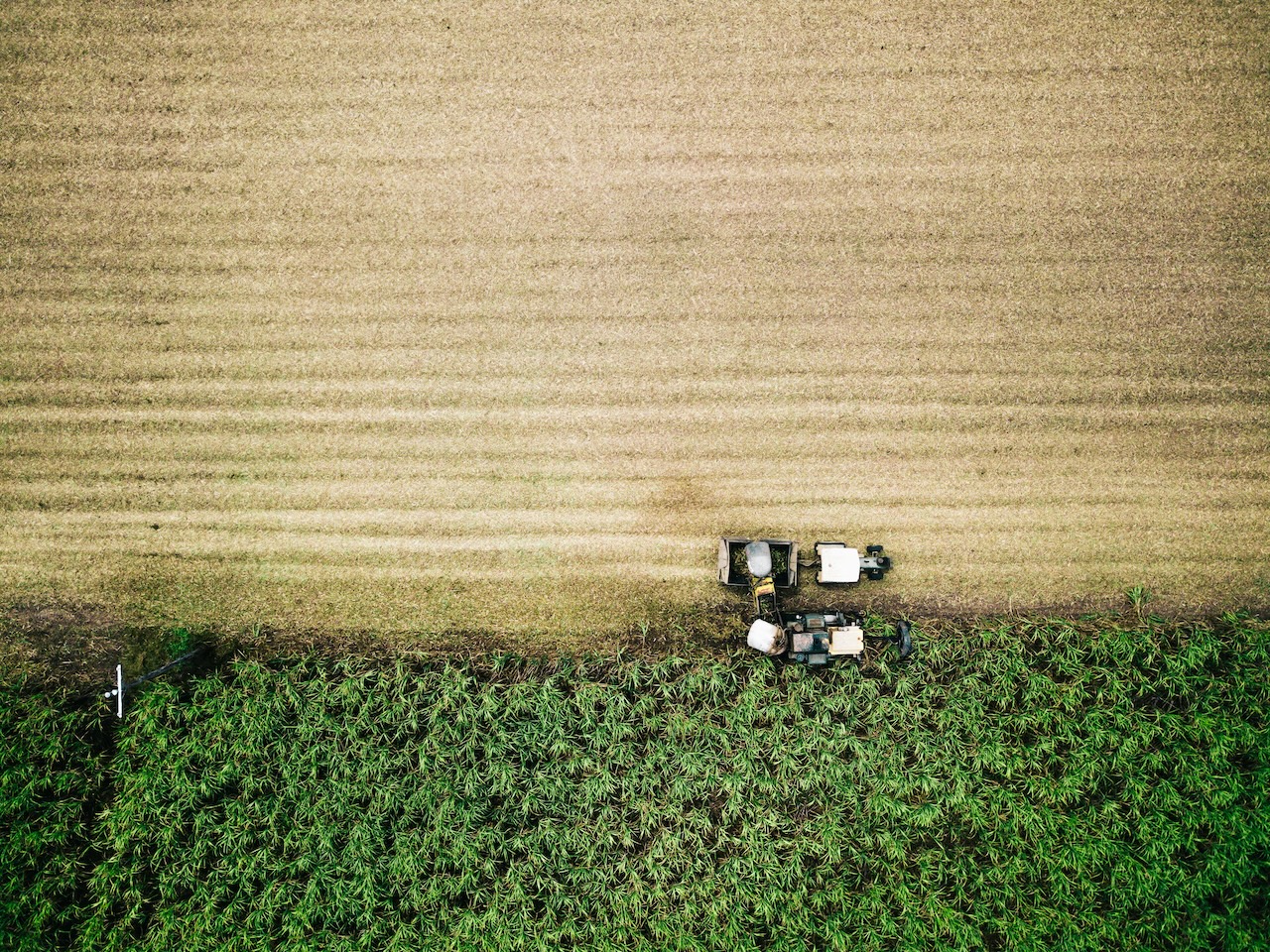
Mexico's Sugar Industry in 2026: An Exporting States Overview
Jul 14, 2026

Farmacias Similares and Stori Launch Card to Include Millions
Jul 13, 2026
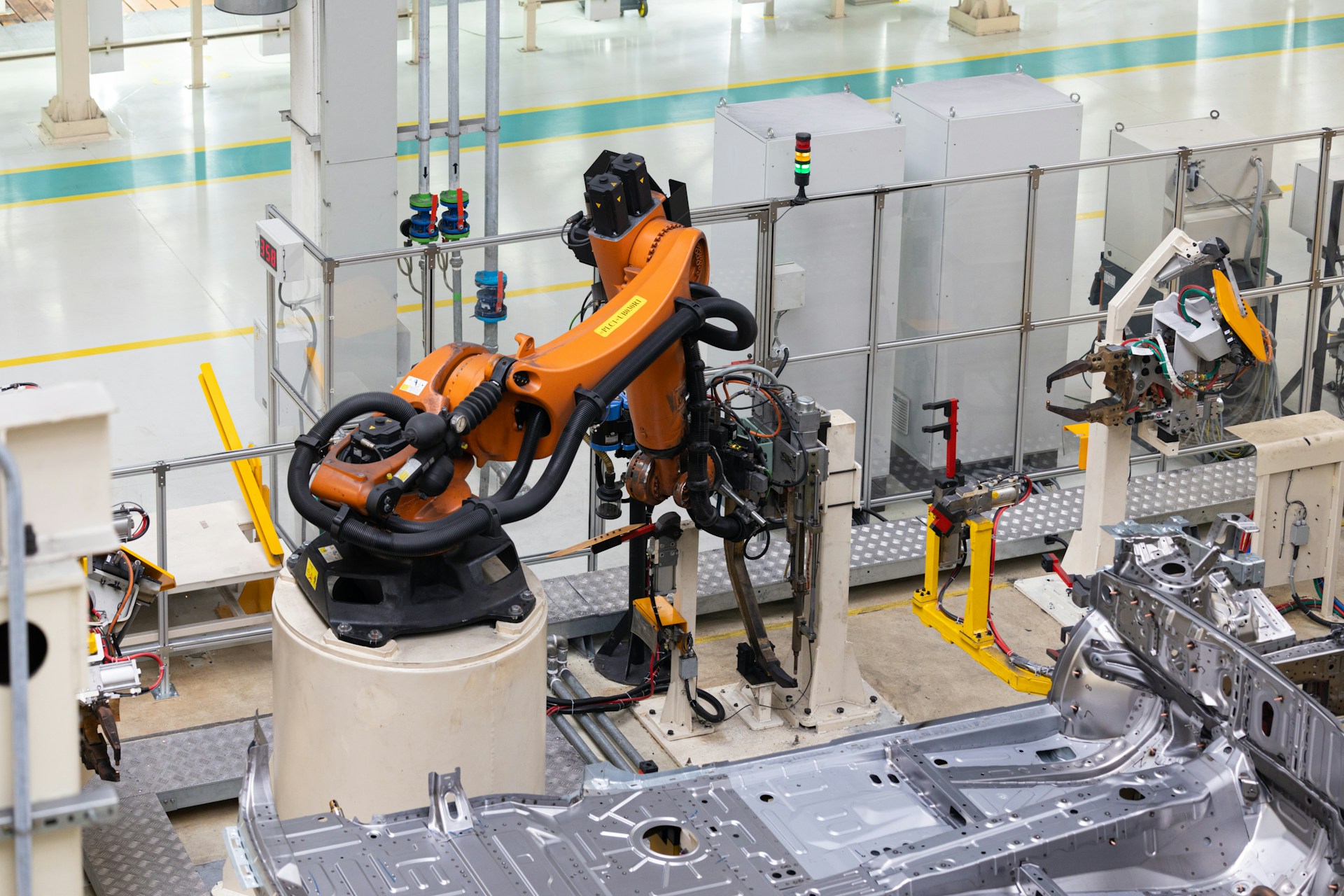
Automotive Parts Industry Proposes Strategic Agenda to Strengthen USMCA and Automotive Competitiveness
Jul 2, 2026