
Mexico's Exports Increase in August 2026: What Was the Trade Balance?
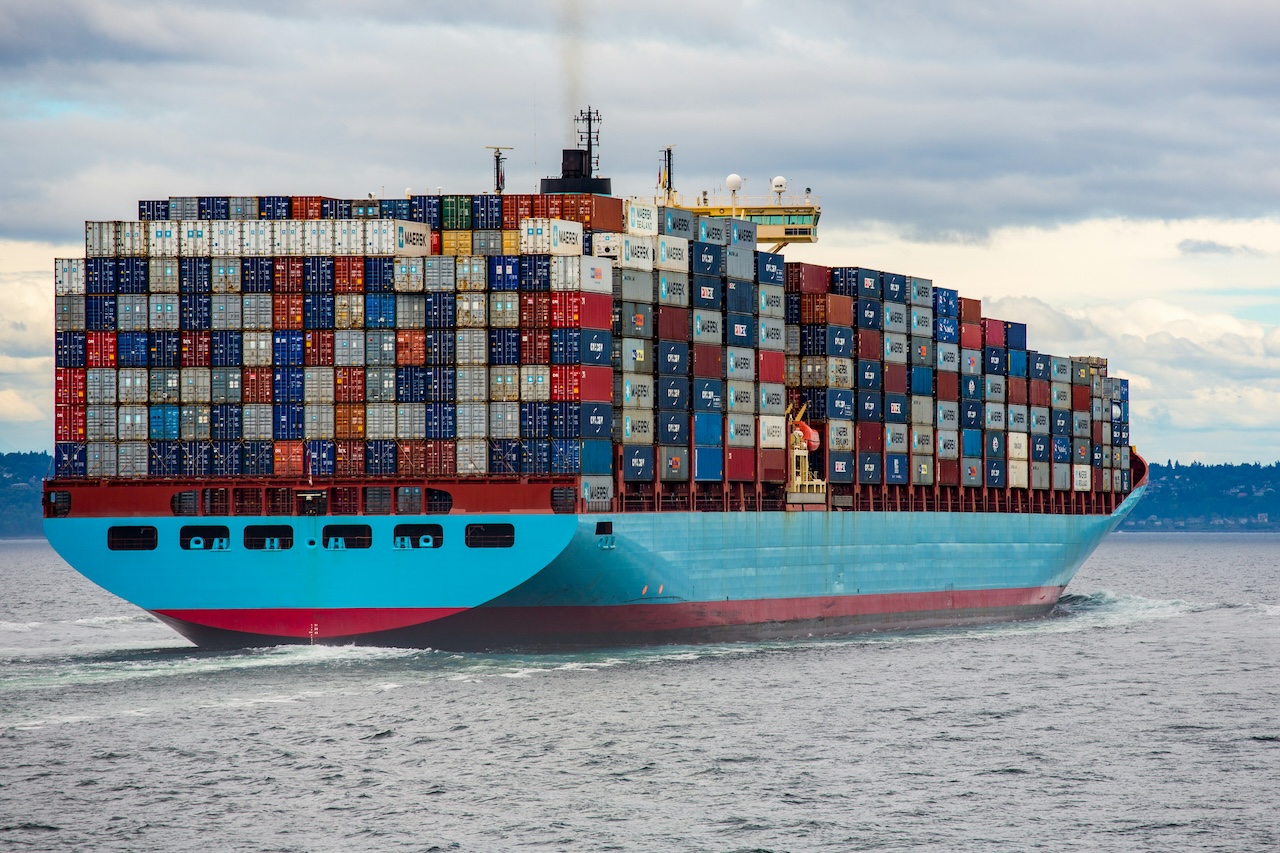
Mexico achieved double-digit growth in exports and imports in August 2026, leading to a trade surplus.
Mexico closed August 2026 with double-digit growth in both its exports and imports, according to the preliminary figures for Mexico’s Merchandise Trade Balance (BCMM), released on September 28th by INEGI. The data reveals dynamic foreign trade, as exports reached $78.0105 billion USD, an annual increase of 40.4%, while imports totaled $77.4051 billion USD, with an advance of 34.2%. The difference between both flows allowed Mexico to register a trade surplus of $605.4 million USD in August, following a deficit of $848 million USD observed in July. Beyond the monthly balance, the cumulative figure from January to August also shows a relevant change for the Mexican economy: the country moved from a trade deficit of $913 million USD in the same period of 2025 to a surplus of $9.8603 billion USD in 2026.
What is Driving Mexico’s Exports in August 2026?
The growth in Mexican exports during August was led by non-oil merchandise, particularly by the manufacturing sector. Among the main figures of Mexican foreign trade, the following stand out:
- Total Exports: $78.0105 billion USD, an annual increase of 40.4%.
- Non-Oil Exports: $76.4289 billion USD, a growth of 41.7%.
- Oil Exports: $1.5816 billion USD, a decrease of 2.8%.
- Manufacturing Exports: $73.6185 billion USD, an advance of 42.6%.
- Extractive Exports: $1.6559 billion USD, an increase of 45.9%.
- Agricultural and Fishing Exports: $1.1545 billion USD, a reduction of 1.6%.
Thus, manufacturing continues to concentrate the largest portion of the value of goods that Mexico sells abroad. Between January and August, this segment accumulated $505.8238 billion USD, equivalent to an annual growth of 30.8%. This performance is especially significant for the Mexican business sector, as it shows that export dynamism is not dependent on oil. In fact, during the first eight months of the year, manufactured goods represented 92.1% of the total export structure.
The United States Consolidates as Mexico’s Trading Partner
The U.S. market once again occupied a central role. In August, non-oil exports to the United States grew 45.2% annually, while those sent to the rest of the world increased by 23.5%. From January to August, the United States accounted for 84.69% of Mexico’s non-oil exports. However, the performance was not uniform across industries. Automotive exports to the United States decreased by 1% in August, while sales of other non-automotive products advanced by 64.8%.
Among the manufactured products that showed the largest increases in August are:
- Electrical and Electronic Equipment and Apparatus: +122.3%.
- Mining and Metallurgy Products: +50.4%.
- Plastic and Rubber Products: +10.6%.
- Food, Beverages, and Tobacco: +10%.
- Machinery and Special Equipment for Various Industries: +7.2%.
In contrast, automotive exports decreased by 2.2% annually. Sales to the United States fell by 1%, while those directed to other markets declined by 7.8%.
How Did Mexico’s Imports Perform in August 2026?
Imports also registered significant growth, although lower than that observed for exports. In August, Mexico imported merchandise valued at $77.4051 billion USD, an annual increase of 34.2%. The result was composed of increases in both oil and non-oil purchases:
- Oil Imports: $5.023 billion USD, +29.6% annually.
- Non-Oil Imports: $72.3821 billion USD, +34.6%.
- Consumer Goods: $9.1318 billion USD, +8.9%.
- Intermediate Goods: $63.2549 billion USD, +41.9%.
- Capital Goods: $5.0183 billion USD, +6.9%.
It is noteworthy that intermediate goods accounted for 81.7% of August imports, a sign of the importance of inputs, components, and merchandise used within production processes. In the January-August cumulative, imports reached $539.5373 billion USD, a growth of 26.8% compared to the same period in 2025. Of this amount:
- Non-oil imports increased by 27.4%.
- Oil imports grew by 18%.
- Intermediate goods advanced by 32.7%.
- Consumer goods rose by 9.6%.
- Capital goods increased by 3%.
The cumulative structure shows the importance of productive inputs even more clearly. Between January and August, intermediate goods represented 80.4% of imports, while consumer goods accounted for 12.5%, and capital goods for 7.1%.
Oil Maintains a Negative Balance
Although the total trade balance was positive, the oil balance continues to show a deficit. In August, the oil products balance registered a negative balance of $3.441 billion USD. In contrast, the non-oil balance achieved a surplus of $4.047 billion USD.
From January to August, the difference is even wider:
- Oil Balance: deficit of $22.330 billion USD.
- Non-Oil Balance: surplus of $32.190 billion USD.
- Total Trade Balance: surplus of $9.860 billion USD.
This performance confirms that Mexico’s favorable balance is being sustained by non-oil merchandise.
What Happened to Exports and Imports When Excluding Seasonality?
Seasonally adjusted figures offer another perspective on Mexican foreign trade, as they allow for a comparison of monthly performance by eliminating seasonal and calendar factors. In August, total exports increased by 1.23% monthly in seasonally adjusted terms. Within these, non-oil exports grew by 1.58%, while oil exports decreased by 13.11%. Manufacturing exports, on the other hand, increased by 2.01% monthly. The performance differed between its two main components:
- Non-Automotive Manufacturing Exports: +3.06%.
- Automotive Manufacturing Exports: -1.63%.
In the case of imports, the movement was different. With figures adjusted for seasonality, external purchases decreased by 3.44% monthly. The decline was explained by:
- Non-Oil Imports: -3.28%.
- Oil Imports: -5.64%.
- Consumer Goods: -1.58%.
- Intermediate Goods: -3.75%.
- Capital Goods: -2.95%.
This contrast between annual growth and the monthly seasonally adjusted reduction is important for interpreting the data. Foreign trade maintains considerable growth compared to August 2025, but in relation to July, import performance was more moderate.
You May Also Like:
The entry
first appeared on Líder Empresarial.
More Articles

2027 Economic Package: Coparmex Jalisco's Proposal to Drive State Growth
Sep 8, 2026

Aeroméxico Under Investigation for Potential Data Breach: What Information Is at Risk?
Sep 21, 2026
San Luis Potosí Auto Parts Exports to the U.S. Decline 6.9%: What Slowed Shipments?
Sep 13, 2026

Querétaro Surpasses 10% Growth in Automotive Parts Production
Sep 8, 2026

Wealth Without Structure: 81% of Large Estates in Mexico Lack a Continuity Plan
Sep 23, 2026

What Medical Specialties Are Most in Demand in Mexico?
Sep 22, 2026