
How Financial Markets Opened Today: Peso Recovers, Oil Declines
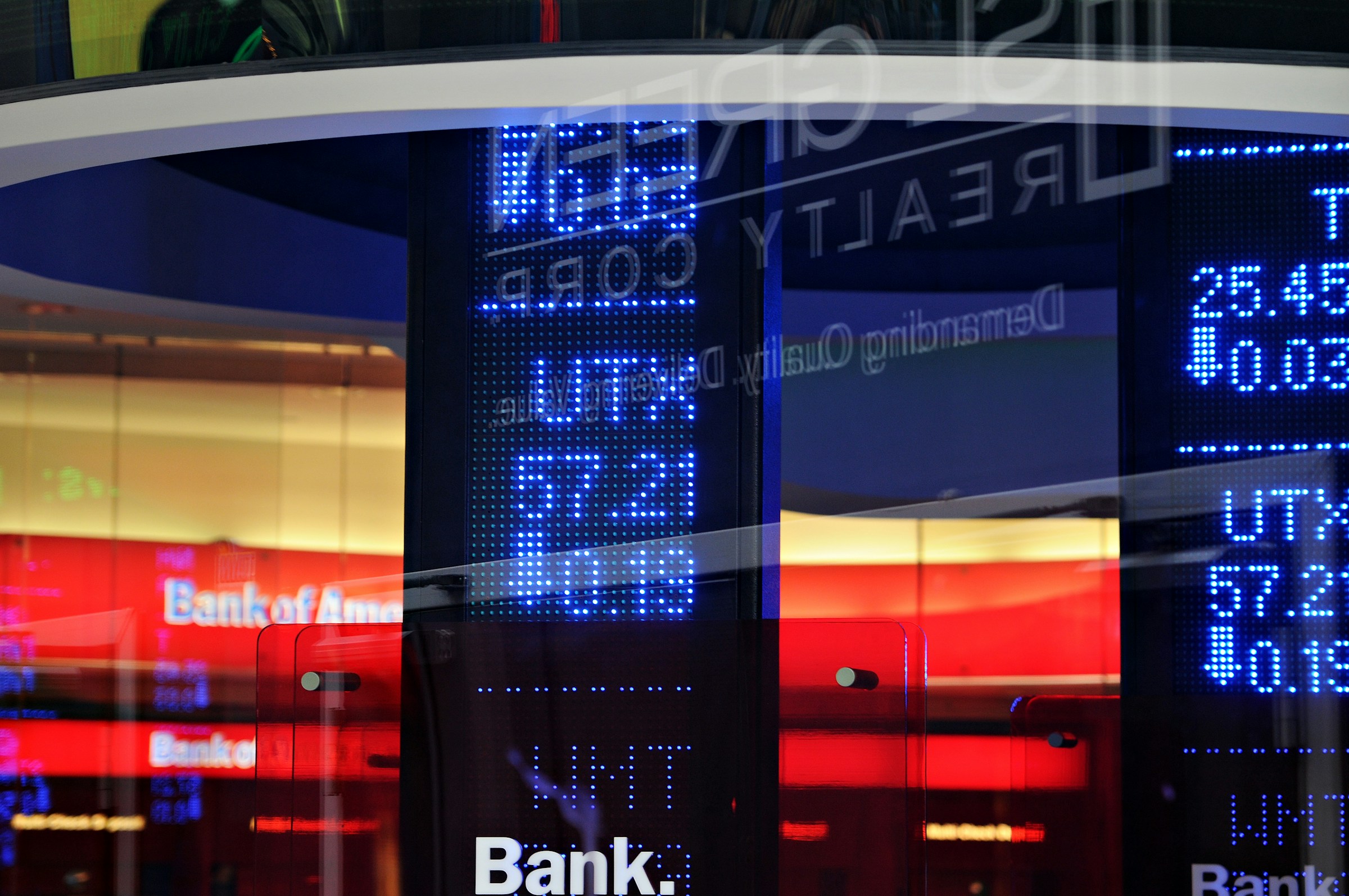
Mixed market movements as the Mexican peso strengthens and oil prices fall, influenced by US labor data and European fiscal concerns.
Financial markets opened this Monday, October 5, 2026, with mixed movements. The drop in oil prices and diminished expectations of an immediate interest rate hike in the United States provided some support to risk assets. However, fiscal uncertainty in Europe maintained investor caution.
In Mexico, the peso recovered ground against the dollar during early trading. At 07:26 AM, the exchange rate stood at 18.0883 pesos per dollar, an appreciation of 0.42%, according to Bloomberg data. During the overnight session, the parity fluctuated between 18.07 and 18.26 units.
Meanwhile, the US labor report from Friday continued to influence monetary expectations. The United States added 29,000 jobs in September, while the unemployment rate rose to 4.2%. The weakness of this data reduced bets on another interest rate increase by the Federal Reserve in October.
Financial Markets Today: Mixed Equities and Peso Recovery
Early trading in major global financial markets showed divergence across key assets. While some US indices advanced, the Mexican Stock Exchange (BMV) reversed its initial gains. Here’s how the week is opening:
| Indicator | Observed Quote or Movement | Variation |
|---|---|---|
| Mexican Peso | 18.0883 pesos per dollar, 07:26 AM | +0.42% |
| Dollar Index (DXY) | 102.24 points | +0.40% |
| S&P 500 | Around 7,753 points | +0.40% |
| Dow Jones | Early trading | −0.21% |
| Nasdaq Composite | Early trading | +0.57% |
| S&P/BMV IPC | 64,359.61 points, 08:35 AM | −0.27% |
| Brent Crude Oil | 101.82 dollars per barrel, 07:26 AM | Near −0.40% |
| WTI Crude Oil | 89.61 dollars per barrel, 07:26 AM | Near −1.70% |
| Spot Gold | 4,152.19 dollars per ounce, 07:26 AM | +0.20% |
| Spot Silver | 61.53 dollars per ounce | +1.90% |
Figures correspond to different moments during the opening and early trading. Times indicated are for Mexico City.
In Europe, performance was also uneven. The Stoxx 600 was up 0.15%, while the French CAC 40 fell around 1.1%, affected by concerns over debt and France’s political situation. In Asia, Japan’s Nikkei gained 2.4%.
Additionally, Brazil stood out among emerging markets. The Bovespa advanced around 8.5% following the results of the first round of presidential elections, in which Flávio Bolsonaro led Luiz Inácio Lula da Silva.
Oil Declines Amid Expectations of Increased Supply
Oil began the week lower, although Brent remained above $100 per barrel. The market reacted to increased crude oil exports from the Middle East and the G7’s commitment to expand supply through emergency reserves.
According to XTB, the agreement includes releasing 100 million barrels of crude oil and diesel. This measure helped contain prices, despite persistent tensions surrounding the region’s energy infrastructure and routes.
From a business perspective, a sustained decrease in oil prices could moderate some pressures on transportation, production, and logistics. However, its impact on final costs will also depend on the exchange rate, supply contracts, and the conditions of each market.
Financial Markets in Mexico: Mexican Stock Exchange Reverses Initial Gains
In the local market, the S&P/BMV IPC opened at 64,783.18 points, above the previous closing of 64,531.68 points. However, by 08:35 AM, the index had retreated to 64,359.61 points, a loss of 172.07 units, equivalent to 0.27%. This movement indicates that the initial recovery lost momentum during the first part of the session.
The cost of money also remained among relevant variables. In Mexico, Banxico’s target rate stood at 6.50%, according to its Economic Information System. In the United States, the yield on the ten-year Treasury bond hovered around 5.30%. For companies, these levels remain significant when evaluating financing and investment. Similarly, currency volatility can alter the cost of imported inputs and the peso-denominated value of dollar-earned revenues.
Rates and Inflation to Shape the Week’s Financial Market Agenda
Investor attention will now turn to the Federal Reserve’s minutes, scheduled for Wednesday, October 7. Their content will help assess how members interpret inflation and labor deceleration. In Mexico, the agenda includes consumer confidence on Tuesday, October 6, and general inflation, core inflation, and producer price data on Thursday, October 8. These indicators will provide new benchmarks for assessing consumption, business costs, and the monetary outlook.
You may also be interested in reading
The entry Financial Markets Opened Today: Peso Recovers, Oil Declines first appeared on Líder Empresarial.
More Articles

2027 Budget: Jalisco Allocates Resources for its Municipalities
Oct 2, 2026

Grupo Galería Accelerates Dunkin' Expansion in Monterrey: Antonio Barceló
Sep 10, 2026

Guanajuato Ranks in the Top 5 for the Meetings Industry: What Strengthens Its Position?
Sep 14, 2026

China Extends Antidumping Investigation into Mexico: Impact on Pecans?
Sep 10, 2026

Mexican Peso Gains Ground: What is the Dollar Price Today, September 15?
Sep 15, 2026

Consumer Confidence Drops in September 2026, INEGI Reveals
Oct 6, 2026