
Jalisco's Restaurant Sector Performance During the 2026 World Cup
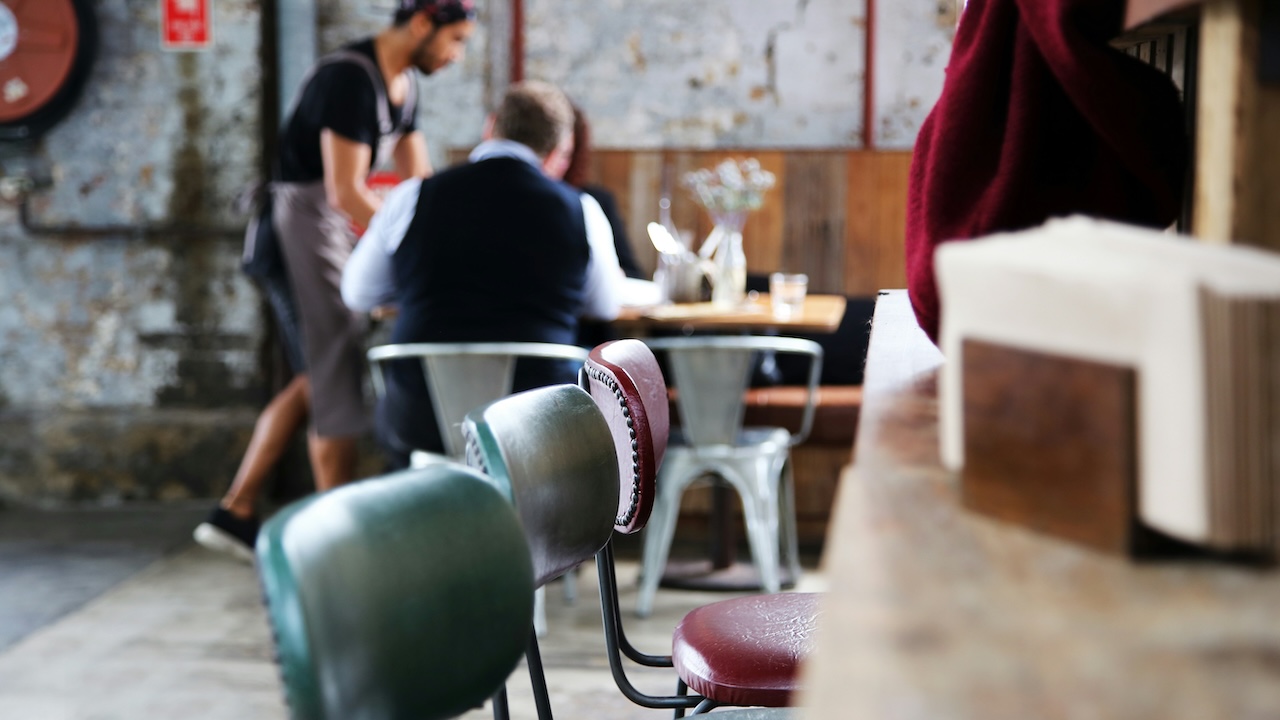
The 2026 FIFA World Cup has spurred economic activity in Jalisco, with restaurants and bars experiencing increased patronage, though benefits are unevenly distributed.
How Has Jalisco’s Restaurant Sector Performed During the 2026 World Cup?
The FIFA 2026 World Cup has not only positioned Guadalajara as a premier global sports venue but has also generated significant economic momentum for various industries across the state. Among the most prominent beneficiaries is Jalisco’s restaurant sector, particularly bars and restaurants that have leveraged the broadcasting of matches to attract customers.
While the overall outlook is positive, the economic impact is not uniformly distributed. Establishments situated in gastronomic corridors and high-traffic tourist zones are the primary beneficiaries, whereas a substantial portion of the sector continues to report revenues comparable to a typical period.
According to business representatives, the World Cup has underscored the potential of international events to act as a catalyst for local consumption, provided businesses possess the necessary infrastructure, strategic location, and commercial strategies to capitalize on demand.
How Has Jalisco’s Restaurant Sector Performed During the 2026 World Cup?
Initial results indicate a favorable trend for a segment of Jalisco’s restaurant sector. Businesses that installed screens, secured broadcasting rights, and devised special promotions are reporting an increase in customer traffic ranging from 25% to 30% compared to a standard week.
The initial expectation already factored in growth stemming from the tournament; however, the outcomes have surpassed the forecasts of many entrepreneurs.
Key indicators recorded to date include:
- An average sales increase of up to 30% in establishments located in high-density areas.
- Increased attendance at bars broadcasting World Cup matches.
- A rise in food and beverage consumption during match hours.
- Longer customer dwell times in establishments during World Cup game days.
- Greater economic activity in established gastronomic corridors.
Despite this positive scenario, the benefits have not yet reached the entire industry. Only approximately 30% of restaurants have significantly capitalized on the sporting event, while the remainder maintain revenue levels similar to those recorded during the same period last year.
This disparity is primarily attributable to factors such as the business’s location, its capacity to broadcast matches, the promotions implemented, and the type of clientele they serve.
The zones experiencing the most significant economic influx are:
- Chapultepec
- Colonia Americana
- Punto Sao Paulo
- Andares
- Lafayette
- Chapalita
- Tlaquepaque
- Historic Center of Guadalajara
- Historic Center of Zapopan
In these gastronomic hubs, the convergence of domestic visitors, international tourists, and local fans has enabled restaurants and bars to operate with higher-than-usual occupancy rates, especially during matches involving the Mexican national team and high-profile games.
Challenges Facing Jalisco’s Restaurant Sector
Although the World Cup has boosted consumption, business owners agree that the increase in sales does not necessarily translate into higher profits. One of the primary challenges has been the rise in operating costs, which reduces profit margins even for establishments with high occupancy.
Recurring issues include:
- Increased prices for various supplies.
- Temporary shortages of products such as ice, beer, and limes.
- Costs associated with acquiring broadcasting rights.
- Payment of intellectual property-related licenses for regulatory compliance.
- Technical failures in some platforms responsible for broadcasting matches.
- Increased demand for personnel to manage the higher customer influx.
Furthermore, many businesses had to make prior investments to adapt their spaces, install larger screens, upgrade audio equipment, or launch promotional campaigns to remain competitive during one of the world’s most significant sporting events.
Despite these challenges, expectations remain positive. Nationwide, the National Chamber of the Restaurant and Seasoned Food Industry (CANIRAC) projected revenue increases of up to 30% in World Cup host cities, a target that several establishments in Guadalajara are beginning to achieve.
The sector anticipates that the subsequent phases of the tournament, particularly the knockout rounds and matches involving the Mexican national team, could sustain consumer flow and extend the economic impact over the coming weeks.
You Might Also Be Interested In:
This entry was first published on Líder Empresarial.
More Articles
Walmart USA Catalog Now Accessible to Mexican Shoppers
Jun 20, 2026
Why Querétaro Attracts More Talent and Investment Than Other Mexican Cities
Jun 16, 2026

Fibra Mty Strengthens Industrial Presence in Bajío Region
Jun 29, 2026

How Nearshoring Fuels Nuevo León's Exports
Jun 9, 2026

How Jalisco Aims to Enhance Its Export Statistics
Jun 9, 2026
Aguascalientes Establishes Mezcal and Agave Consultative Council to Boost Exports
Jun 29, 2026