
Oil Price Continues to Rise, Impacting Global Economy
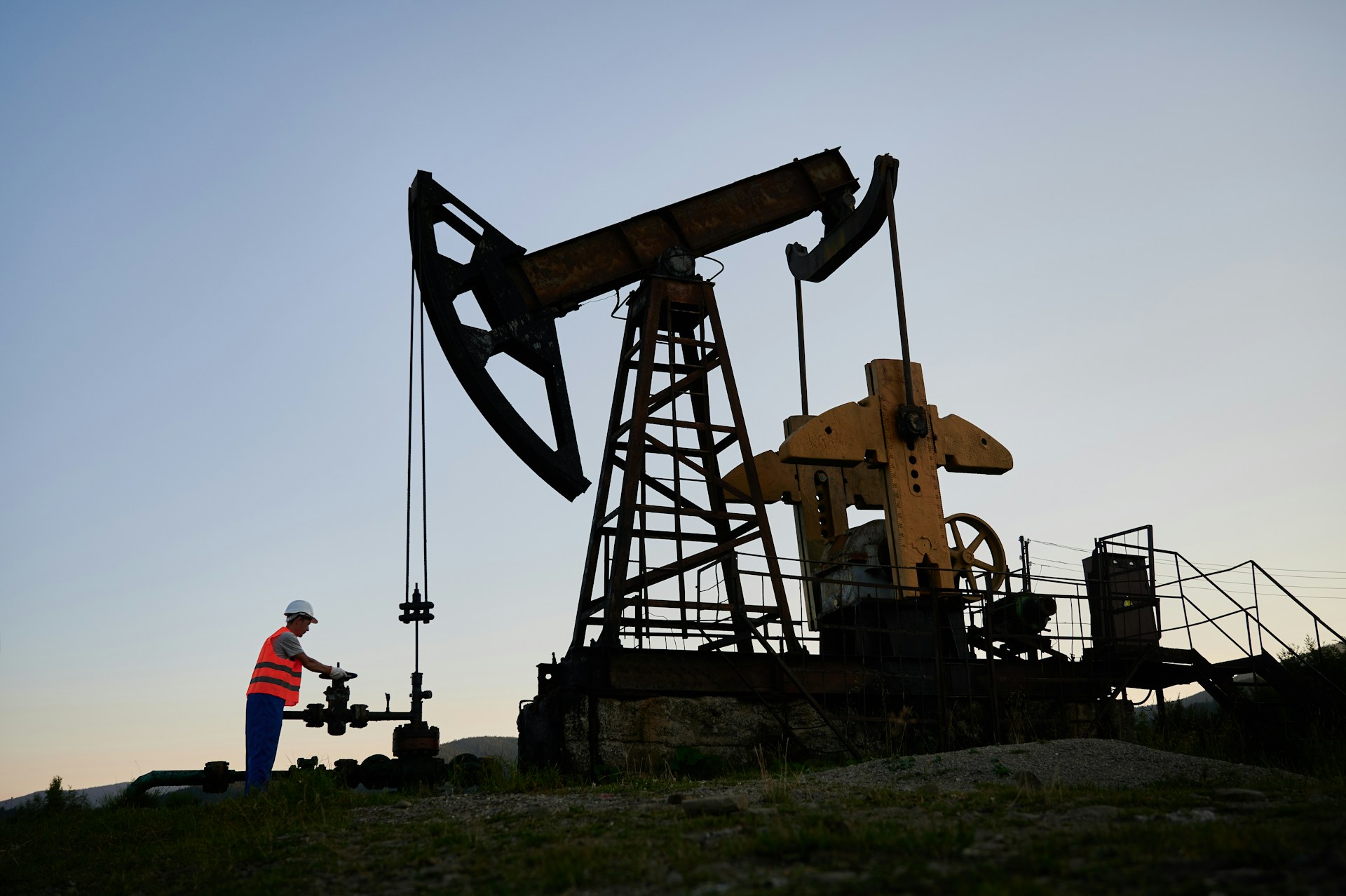
Rising oil prices due to geopolitical tensions and supply concerns could lead to increased costs for consumers and businesses worldwide.
The price of oil rose on August 20, 2026. WTI crude reached $86.45 per barrel, an increase of 2.42%. Brent, meanwhile, reached $88.99, an increase of 1.83%. During the trading session, WTI registered a low of $84.25 and a high of $87.69. Over the past 52 weeks, its quotation has ranged between $54.98 and $117.63 per barrel.
This behavior occurs amidst tensions between the United States and Iran over the Strait of Hormuz. On August 18, President Donald Trump posted an image of the strait on Truth Social with the message “new American territory.” Iran, for its part, stated that it will not reopen passage through the strait until the United States fulfills the commitments established in the memorandum of understanding signed in mid-June.
WTI, or West Texas Intermediate, is one of the main benchmarks in the oil market. The United States produces this type of crude and distributes it through the Cushing hub. Supply and demand are the primary factors determining its price. Global economic growth, political conflicts, sanctions, decisions by OPEC and OPEC+, and the behavior of the US dollar also influence it.
An increase in oil prices can raise the
, transportation, and some productive activities. Furthermore, rising crude prices can exert pressure on the prices of goods and services. The effect is not uniform across all countries. Economies that import oil may face higher purchase costs. Conversely, producing countries may receive increased revenue from their exports. The market’s evolution will depend on factors such as global supply and demand, decisions by major producers, and conditions that may affect crude supply.
More Information
The entry
first appeared on Líder Empresarial.
More Articles

Guadalajara-Paris: Dates, Frequencies, and Key Details of the New Flight
Sep 7, 2026

Jalisco Strengthens Banana Crop Health with Drones, Investing 930,000 Pesos
Sep 17, 2026

Four Out of Ten Mexican Companies to Double-Digit Increase AI Investment
Sep 18, 2026

Sheinbaum in Querétaro: Train Projected for Completion in 2027
Sep 21, 2026
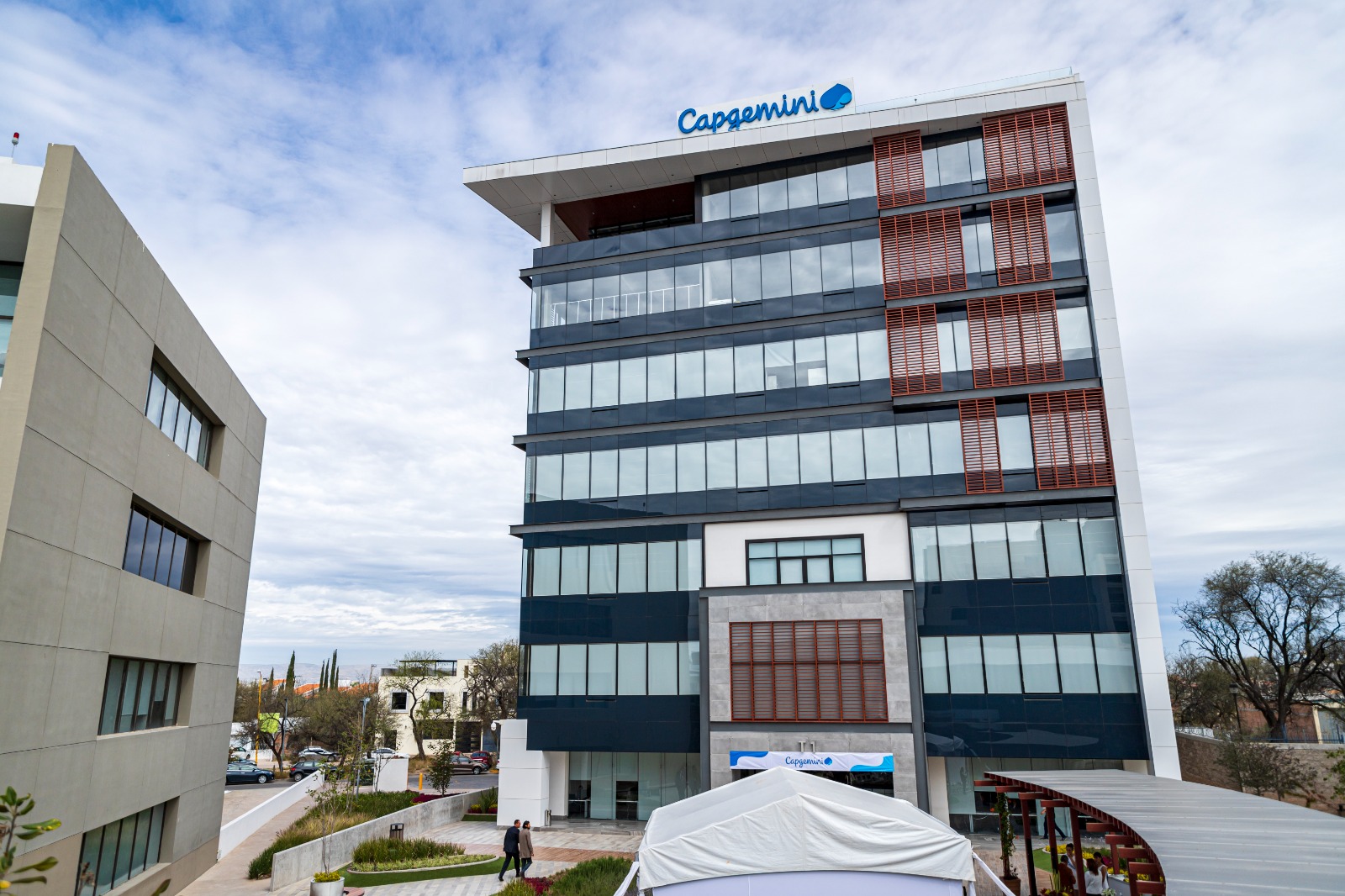
Capgemini Mexico Recognized on Most Ethical Companies Ranking 2026
Sep 24, 2026

Guanajuato Ranks in the Top 5 for the Meetings Industry: What Strengthens Its Position?
Sep 14, 2026