
How Much Will FIFA Pay the Winner of the 2026 World Cup?
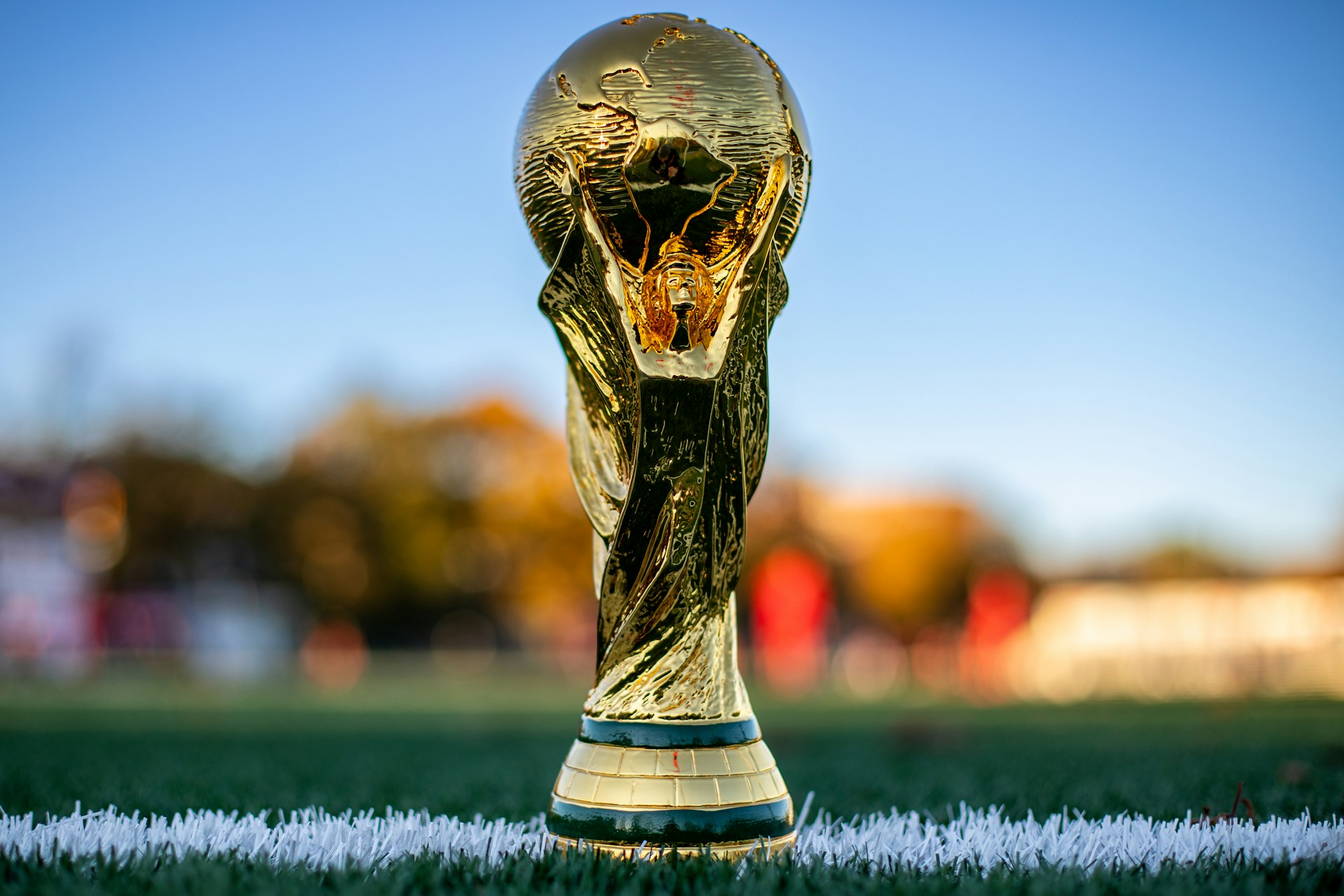
FIFA has announced record prize money for the expanded 2026 World Cup, with the champion team set to receive $50 million.
FIFA has defined a new prize money structure for the 2026 World Cup, a tournament co-hosted by Mexico, the United States, and Canada, which will feature 48 participating teams for the first time. The economic distribution approved by the FIFA Council is part of a record contribution for the federations competing in the tournament. This model reflects the event’s commercial growth and the new competition format, while also increasing the resources allocated to qualified teams, both for participation and for advancing through the championship stages.
2026 World Cup Champion Will Receive the Largest Economic Prize
The
How Prize Money Will Be Distributed by Position
FIFA has established a payment scale based on each team’s performance in the tournament. Under this structure, the 2026 World Cup champion will receive the highest amount, while teams eliminated in earlier rounds will also receive financial allocations.
| 2026 World Cup Result | Prize Money |
|---|---|
| Champion | $50 million |
| Runner-up | $33 million |
| Third Place | $29 million |
| Fourth Place | $27 million |
| Places 5 to 8 | $19 million |
| Places 9 to 16 | $15 million |
| Places 17 to 32 | $11 million |
| Places 33 to 48 | $9 million |
Total Allocation Increased to $871 Million
In addition to the initial scheme, the FIFA Council later approved a further 15% increase in resources for participating federations. This brought the total allocation for the 2026 World Cup to $871 million, approaching $900 million. The update also raised the preparation subsidy from $1.5 million to $2.5 million per team. Furthermore, the qualification prize money increased from $9 million to $10 million.
Each Team Will Have a Minimum Income
Prior to the most recent increase, FIFA had reported that each participating federation was guaranteed a minimum of $10.5 million, comprising the participation prize and preparation funds. With the subsequent adjustment, the economic baseline grew due to the increased preparation subsidy and qualification prize. In this regard, the 2026 World Cup not only boosts the incentive for the champion but also raises the financial floor for all qualified teams.
While the champion’s figure is often perceived as the prize for the winning team, the official payment from FIFA goes to the participating member federation. Subsequently, each federation determines how to distribute bonuses or incentives among players, coaching staff, and the administrative structure.
The 2026 World Cup will be historic not only for its expanded format but also for its financial structure. FIFA has increased the prize pool for national teams, enhanced preparation support, and strengthened the performance-based payment model. Consequently, the 2026 World Cup is poised to be the edition with the largest economic distribution in the history of international football.
The entry
More Articles
How Did the Employed Population of San Luis Potosí Change Between 2020 and 2025?
Sep 30, 2026

Mexico Accelerates in E-commerce: Consumer Packaged Goods Online Sales Grew 35%
Oct 2, 2026
What Will Happen with Canada in the USMCA Negotiations? Sheinbaum Confirms Separate Progress with the US
Oct 12, 2026
New Automotive Company to Formalize Investment in San Luis Potosí Soon
Sep 23, 2026

Data Centers Drive New Cooling Technology in Mexico
Sep 23, 2026

Foodex 2027: How Japan Can Forge New Avenues for Mexican Tequila
Oct 6, 2026