
Four Out of Ten Mexican Companies to Double-Digit Increase AI Investment
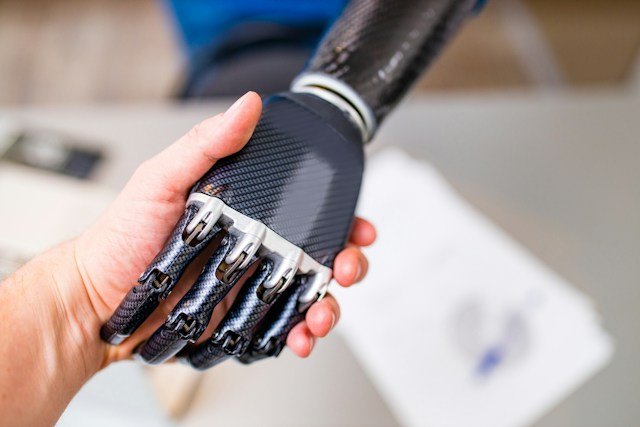
A Guidance Research study reveals that 40% of Mexican businesses plan double-digit growth in AI spending by 2026, signaling a shift from experimentation to strategic implementation.
Four out of ten companies in Mexico will double-digit increase their AI investment
Investment in artificial intelligence in Mexico continues to gain traction within corporate budgets. Four out of ten surveyed companies anticipate a double-digit increase in resources allocated to this technology during 2026, according to a study by Guidance Research. The research analyzed the maturity, adoption, and investment levels in AI of organizations operating in the country. To do this, approximately 100 decision-makers were consulted, in addition to conducting focus groups with nearly 40 CIOs, CISOs, CTOs, CXOs, and specialists. The results show that companies are no longer solely discussing whether to incorporate artificial intelligence. Now, a significant portion of decisions are concentrated on how much to invest, where to apply it, and how to measure its results.
88% of Consulted Companies Plan to Increase AI Budget
40% of participating organizations indicated that they expect to increase their artificial intelligence budget by double digits during the year. Another 48% anticipate single-digit growth. This means that 88% of the companies included in the research project an increase in their AI investment, albeit at different paces. In contrast, only 6% indicated that they will not allocate additional resources to this technology or will even reduce their budget. The differences between companies are related, among other factors, to their level of technological maturity and their internal capacity to convert artificial intelligence solutions into operational projects. Carlos Brito, country manager of DXC in Mexico, pointed out that organizations with lower digital maturity first need to develop the necessary conditions to incorporate these tools. “A first phase for companies with less technological maturity is focused on laying the right foundation, and a second phase for companies with greater maturity is aimed at achieving operational efficiency by using this technology,” he explained.
Artificial Intelligence Surpasses Cybersecurity Among Technological Priorities
AI also emerged as the top technological priority among the organizations included in the study. 75% cited artificial intelligence among their main areas of focus, followed by:
- Cybersecurity: 71%
- Data Analytics: 65% The results show that companies are concentrating their digital strategies around three interconnected areas: automation and intelligence, information protection, and data utilization. The quality and availability of this data are particularly relevant for artificial intelligence projects, as enterprise models and applications depend on structured, reliable, and accessible information. In turn, increased integration of AI within processes heightens the need to establish controls related to security, access, governance, and corporate information protection.
Increasing Budget Does Not Guarantee AI Results
The growth in spending represents only a part of the adoption process. One of the challenges for companies will be to convert this budget into concrete use cases and measurable results, rather than limiting the strategy to incorporating new platforms or tools. Brito noted that organizations need to prepare their processes, information, and teams beforehand. “The value perceived by companies is not solely in incorporating technology, but in preparing the data, processes, and talent necessary to generate a measurable business impact,” he affirmed. Factors that can determine the performance of an AI investment include defining objectives, selecting use cases, technological infrastructure, data quality, and staff training. It will also be necessary to establish indicators to determine if projects are generating savings, productivity gains, time reductions, or improvements in specific processes.
AI Adoption Enters a New Phase for Mexican Companies
The Guidance Research results show a shift in the business conversation around artificial intelligence. After an initial phase marked by experimentation with generative tools and models, a portion of organizations is beginning to face decisions related to budget, scalability, and return on investment. The differentiation between companies could depend less and less on access to technology and more on their ability to integrate it into real operations. For companies operating in Mexico, 2026 thus points to a phase of increased investment in artificial intelligence, but also of greater pressure to demonstrate the results it can generate within the business.
The entry appears first on Líder Empresarial.
More Articles

Querétaro's Agri-Exports Face New Trade Barriers
Aug 31, 2026

Supply Chain Security: How Can Companies Prepare for Emerging Risks?
Aug 24, 2026

Weekend Recap: Key Global and Mexican Business Developments September 12-13
Sep 14, 2026

San Luis Potosí Faces Sharp Increase in Business Delinquency in 2026
Sep 2, 2026

China Extends Antidumping Investigation into Mexico: Impact on Pecans?
Sep 10, 2026

IMMEX Employment Grows 0.4% Monthly in June, Still Below 2025 Levels
Aug 20, 2026