
How Many Mexican Business Owners Approve USMCA? Here Are Their Concerns
Mexican business leaders largely support the USMCA's continuity, but have key concerns regarding its 2026 review, including unilateral tariffs and legal certainty for investments.
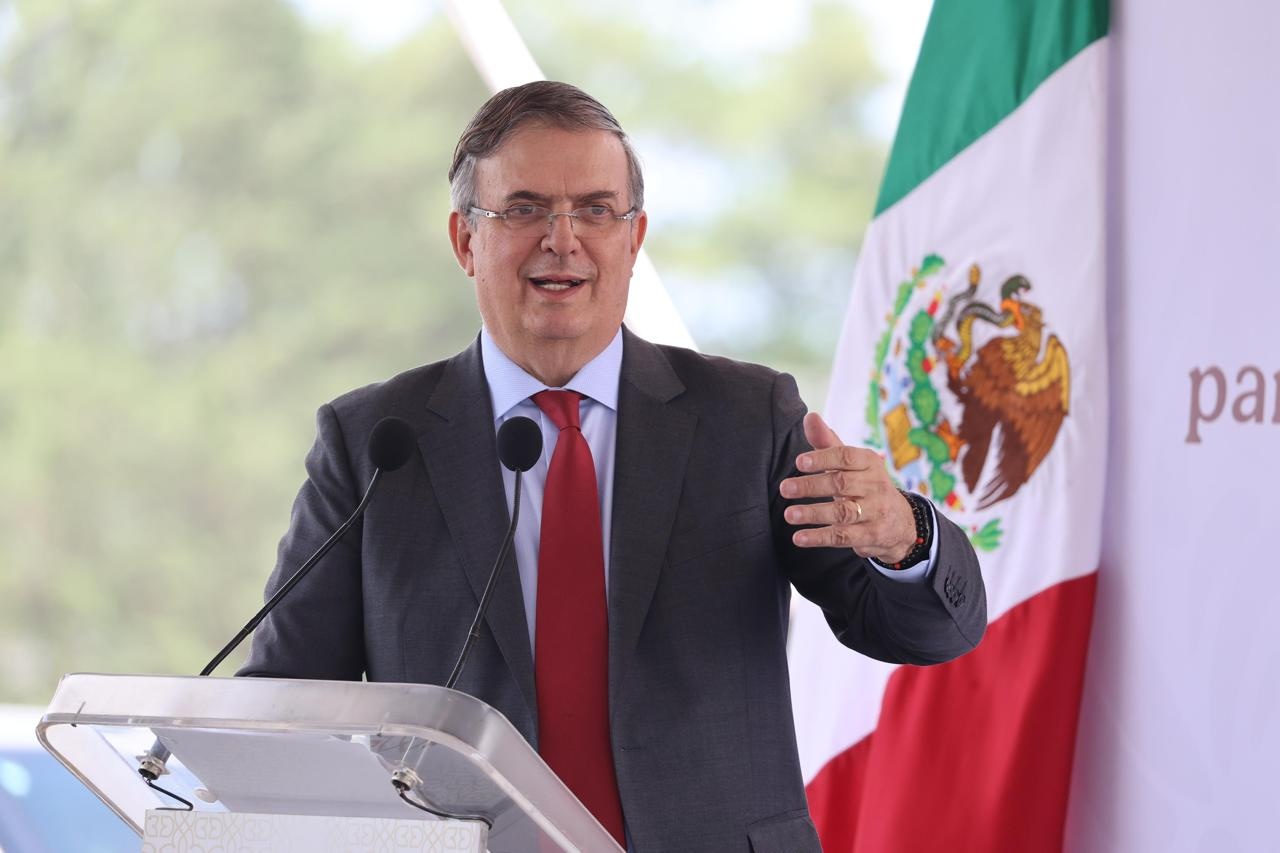
The United States-Mexico-Canada Agreement (USMCA) is one of the most significant pillars for the Mexican economy. Five years after its entry into force, the trade agreement is undergoing a review process scheduled for 2026. However, the business sector appears to have a clear stance: the majority supports its continuity. During the presentation of the public consultation results on the trade agreement’s review, Economy Secretary Marcelo Ebrard reported that 78.5% of the economic sectors consulted in Mexico approve the renewal of the USMCA. This exercise, considered one of the broadest consultation processes conducted by the ministry, allowed for an understanding of the concerns and priorities of various productive sectors across the country.
78.5% of the Business Sector Supports USMCA’s Continuity
The results presented by the Ministry of Economy reflect broad consensus among Mexican businesses regarding the future of the North American trade agreement. As explained by
the public consultations integrated opinions from 30 economic sectors across the country, ranging from manufacturing to agriculture and services. The objective was to identify which aspects of the agreement need strengthening before the commencement of formal discussions with the United States and Canada. Among the key findings are the following points:
-Extensive Business Support: 78.5% of the consulted economic sectors expressed their support for the agreement’s renewal. -Strengthen the Current Agreement: Businesses are not seeking to completely renegotiate the USMCA, but rather to improve its operational effectiveness. -Prevent Unilateral Trade Measures: A primary demand from the private sector is to prevent the imposition of tariffs outside the scope of the treaty. -Ensure Legal Certainty for Investments: The agreement’s stability is considered a fundamental condition for attracting foreign capital. -Protect Regional Supply Chains: The treaty enables the maintenance of North American productive integration.
Furthermore, the Head of Economy specified that the business sector requests the treaty be “perfected” but without altering its core structure. “They ask us to perfect the treaty. That there are no unilateral measures or tariffs outside of what is stipulated, and to move towards a common vision for North America that competes with other regions of the world,” Ebrard explained.
A Key Agreement for Competing with Asia: USMCA
Meanwhile, the USMCA is viewed by the Mexican government as a strategic tool to strengthen North America’s competitiveness against other regions, particularly Asia. During the results presentation, Ebrard emphasized that productive integration among Mexico, the United States, and Canada allows for the development of regional industries capable of competing on a global scale. The logic behind the treaty, the official explained, is simple: produce together to face increasingly competitive markets. However, this balance has faced recent tensions, especially following Donald Trump’s return to the White House, which has driven unilateral tariff measures affecting several industries. Among the most impacted sectors are:
-Automotive -Steel -Aluminum
These decisions have generated concerns in Mexico, as business leaders consider that unilateral measures contradict the spirit of the treaty. In response, Ebrard reiterated that one of the review’s objectives will be to strengthen mechanisms that prevent such trade decisions outside the agreement.
Regional Differences: Concerns Across the Country’s Zones
One of the most relevant findings from the public consultations was that economic priorities vary depending on the country’s region. While some areas focus on industrial competitiveness, others prioritize infrastructure or logistics. Among the main regional focuses are:
North of the Country -Industrial competitiveness -Efficient border crossings -Reliable energy for manufacturing
Bajío Region -Rules of origin -Strengthening local suppliers -Development of electromobility
Center of the Country -Logistics saturation -Trade certifications -Unfair competition
South-Southeast -Productive infrastructure -Sanitary harmonization -Increased institutional support
Key Concerns Ahead of the Treaty Review
The consultation process also allowed for the identification of issues causing the greatest concern for the Mexican productive sector. According to the Economy Secretary, 54 points of concern were raised by the private sector, most of which are already in the process of resolution. Among the topics still under discussion are:
-The situation of steel -The automotive industry -Measures related to compliance with rules of origin
One of the most controversial points is the imposition of U.S. tariffs on steel and aluminum. Currently, Mexico maintains its disagreement with the permanence of these tariffs, especially when the United States maintains a trade surplus in these sectors. “We do not agree that a 50% tariff on steel and aluminum should be maintained when they have a surplus with us,” Ebrard stated.
Three Strategic Priorities for Negotiation
Ahead of the first round of negotiations, the Mexican government has identified three central concepts that will guide its strategy. These pillars aim to strengthen regional competitiveness without creating economic distortions. The priorities are:
-Reduce North America’s Dependence on Other World Regions: The objective is to strengthen regional production and decrease reliance on imports. -Improve Rules of Origin: These rules determine which products can benefit from the treaty’s preferential tariffs. -Regional Economic Security: The aim is to ensure that supply chains are resilient against global trade tensions.
You might also like to read:
The post
first appeared on Líder Empresarial.
More Articles
How Many Mexican Business Owners Approve USMCA? Here Are Their Concerns
Mar 10, 2026

"Manufacturing to Be Heavily Impacted": Conchita Miranda Warns Ahead of Imminent 40-Hour Workweek
Feb 27, 2026
How San Luis Potosí Reinforces Its Investment Attraction Strategy for 2026?
Feb 9, 2026

40-Hour Labor Reform: Are Two Mandatory Weekly Rest Days Expected?
Feb 14, 2026

Fintech Mexico Festival 2026 Inauguration: Key Sector Insights
Feb 26, 2026

Are SMEs Prepared for the New AI-Powered Accounting Mandated by SAT?
Feb 17, 2026