
How Will Mexico's New Tariffs Impact the Automotive Industry?
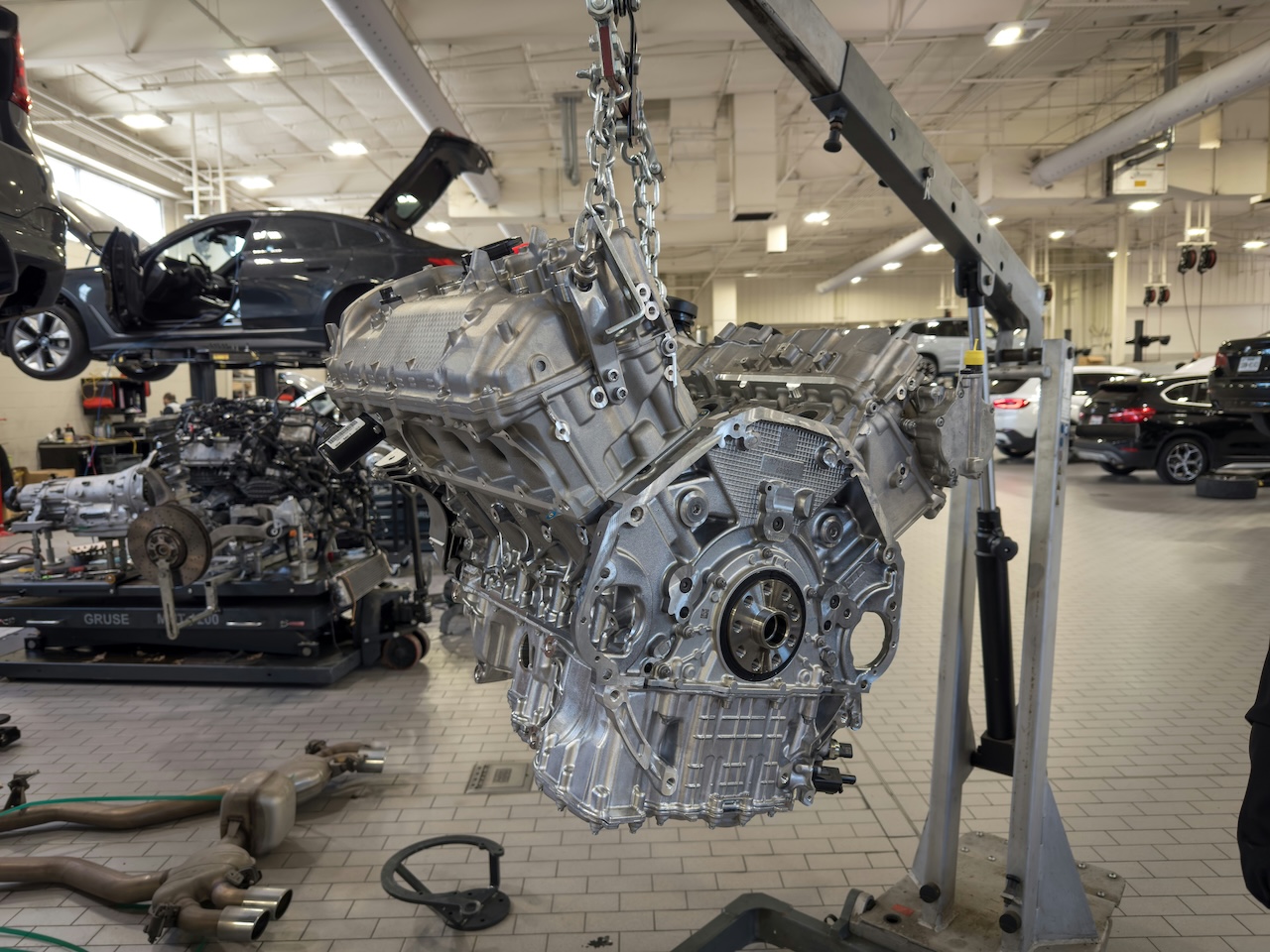
Mexico's new tariffs on over 1,400 imported products aim to strengthen domestic industries, protect jobs, and level the playing field, significantly impacting the automotive sector.
With the recent reform to the Law on General Import and Export Taxes (LIGIE), Mexico’s new tariffs anticipate an increase on over 1,400 imported products. This decision seeks to strengthen national industries, protect employment, and level the competitive landscape against markets with practices considered unfair. Among the sectors most sensitive to this adjustment is the automotive industry, a cornerstone of the Mexican economy and a key component of regional integration in North America. The Ministry of Economy estimates annual revenue of approximately 70 billion pesos, in addition to the protection of around 350,000 jobs, primarily in manufacturing, textiles, footwear, and automotive sectors. However, the true scope of the
extends beyond revenue collection, as it redefines incentives, alters supply chains, and reopens the debate on the balance between trade liberalization and industrial policy.
Products, Sectors, and Countries Involved in Mexico’s New Tariffs
The amendment to the LIGIE encompasses 1,463 tariff lines, of which 316 remain exempt, while the rest maintain or increase their tax burden. The adjustments are concentrated in 19 strategic industries, which collectively accounted for approximately 8.3% of Mexico’s total imports in 2024. Among the most impacted sectors are: -Textiles: 398 tariff lines. -Apparel: 308 tariff lines. -Steel and Iron: 248 tariff lines. -Auto Parts: 141 tariff lines. -Plastics: 79 tariff lines. -Footwear: 49 tariff lines. -Light Vehicles: 13 tariff lines. -Motorcycles and Trailers: 9 tariff lines combined. Although the federal government insists that the measure is not aimed at a single country, the greatest impact falls on imports from nations without a trade agreement with Mexico, such as China, India, South Korea, Vietnam, Thailand, Indonesia, Taiwan, Brazil, and South Africa. According to the Center for Public Finance Studies (CEFP), over 75% of the imports subject to the adjustment originate from these markets, which explains the international reaction and emerging diplomatic tensions.
Higher Tariffs and Their Direct Effect on the Automotive Industry
Before the reform, 341 tariff lines already paid 35% tariffs, while 302 had rates of 10%. With the changes, the government opted to toughen treatment for finished goods, particularly imported vehicles, where rates can reach up to 50%. In the automotive sector, the impact is distributed across two main blocks: -Finished vehicles, with significant increases aimed at curbing the entry of imported units and favoring local production. -Auto parts, where the approach is more cautious due to their strategic role within regional value chains. From the governmental perspective, the objective is to incentivize import substitution, increase national content, and leverage an installed manufacturing capacity that stands at approximately 81%. However, for the industry, the challenge lies in preventing higher costs from translating into a loss of competitiveness or affecting productive integration with the United States and Canada.
The Automotive Industry’s Stance on Mexico’s New Tariffs
During a meeting held in the Chamber of Deputies, prior to the reform discussion, representatives of the automotive sector expressed general support for the initiative, albeit with specific warnings. Rogelio Garza, Executive President of the Mexican Automotive Industry Association (AMIA), emphasized that the organization represents all vehicle manufacturers and importers in the country, a sector that last year produced nearly four million units in Mexico, equivalent to almost 13,000 cars daily. Garza highlighted that, over the past three decades, this dynamic allowed for the construction of a deeply integrated value chain among Mexico, the United States, and Canada, hence any tariff adjustment must be carefully analyzed. While AMIA agrees with the increase in tariffs on finished vehicles, it warned that auto parts require a more exhaustive analysis due to their relevance for the sector’s competitiveness. A similar stance was later expressed by the National Association of Bus, Truck, and Tractor-Truck Producers (Anpact). Its Foreign Trade Director, Alejandra Rosete, reminded that Mexico is the leading exporter of trucks, the fourth-largest exporter of heavy vehicles overall, and one of the main producers globally. However, she warned that wholesale sales fell by 54% between January and October 2024, proposing a 50% tariff on finished heavy vehicles as a protective measure against external competition.
Level Playing Field, Investment, and Road Safety: The Vision of Automakers
From the business sector, the stance points to a balance between protection and responsibility. Bruno Geniz, Government Relations Manager at KIA Mexico, supported the application of high tariffs on finished vehicles, considering that a 50% rate creates a level playing field for companies that invest, produce, and generate employment in the country. However, he agreed that the treatment of auto parts must be careful. Inadequate handling, he warned, could open the door to products that do not meet quality or safety standards, implying risks for both the industry and consumers, as well as road safety. This point reinforces the idea that tariff policy has not only economic but also social implications.
Two Key Axes Complementing the Debate
1. Metals, Steel, and Auto Parts: Pressure on Costs and Production Chains
Within the reform, metals and steel account for 21.7% of the tariff lines, with an average tariff of 32.6%. This adjustment directly impacts sectors such as: -Construction -Infrastructure -Automotive -Heavy Manufacturing In parallel, auto parts and transportation, which represent approximately 4% of the total tariff lines, will face an average tariff of 30.2%, affecting specialized components, electrical and mechanical systems, as well as key parts for assemblers. The challenge will be to prevent these increases from eroding the competitiveness of the industry established in Mexico.
2. International Impact: India and Asia on the Radar
India raised alarms following the approval of the reform. The new tariffs will affect shipments worth over one billion dollars, including vehicles from brands such as Volkswagen, Hyundai, Nissan, and Maruti Suzuki. In 2024, automobiles were India’s main export to Mexico, valued at 1.32 billion dollars. With the tariff increase from 20% to 50%, a slowdown in imports and a price readjustment in the Mexican market are expected. For India, the blow is significant, especially considering that in 2025, it recorded a favorable trade balance of 5.27 billion dollars in its exchange with Mexico.
You may also read:
The post
More Articles

Electronics and Petroleum Drive Mexican Manufacturing
Mar 18, 2026

Top 15 Companies Hiring Most in Mexico in 2026
Mar 31, 2026
Which Mexican Company Produces Steel with the Lowest Emissions in North America?
Mar 26, 2026

What Challenges Does Jalisco's Economy Face in 2026?
Mar 20, 2026

Penalties for Not Filing the 2026 Annual Tax Return with the SAT
Mar 28, 2026
What's Happening with IMMEX Employment in Jalisco?
Mar 23, 2026