
Financial Markets Today, August 17: Dollar, Fed, and Oil Define the Day
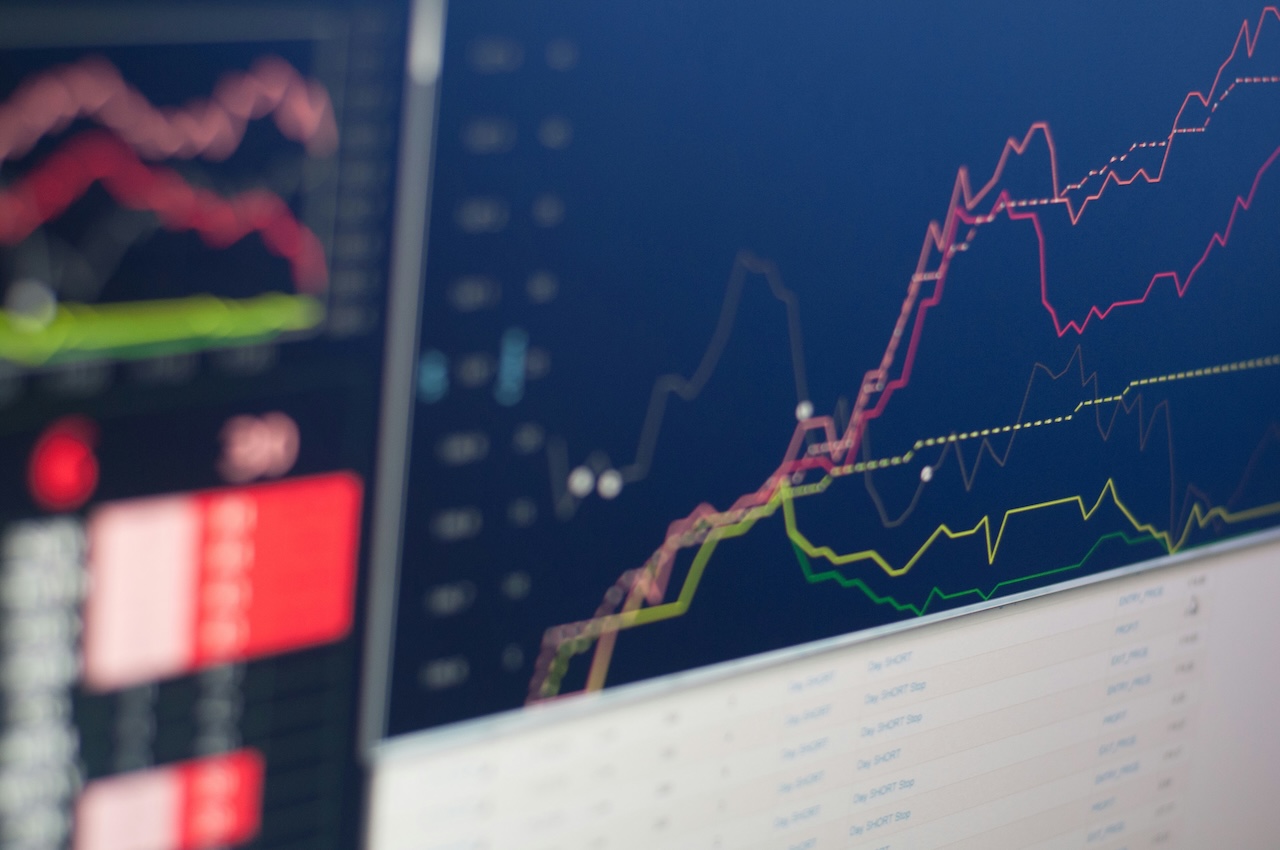
Financial markets show mixed performance as shifting Fed expectations, consumer weakness, and Middle East tensions take center stage.
Financial markets opened this Monday, August 17, with a mixed tone, in a session shaped by changing expectations regarding U.S. monetary policy, recent consumer weakness, and persistent geopolitical tensions in the Middle East. Investors begin the week with a central question: Will the Federal Reserve (Fed) have room to keep interest rates unchanged in September? The market’s answer, at least for now, points to a lower probability of an increase. Recent U.S. economic indicators have shown signs of cooling, particularly in consumption, leading traders to significantly reduce their bets on a further rate hike. The implied probability of a September increase has dropped from around 50% a week ago to approximately 30%, according to CME Group’s FedWatch data cited by Reuters. This shift in the scenario has primarily favored technology assets and pressured the
, while U.S. Treasury bonds registered lower yields. However, the outlook is far from entirely favorable: oil remains influenced by the conflict between the United States and Iran, transit through the Strait of Hormuz has plummeted, and markets are also beginning to question the strength of the U.S. consumer.
Wall Street Opens with Mixed Futures, Nasdaq Takes the Lead
Ahead of the U.S. market open, Wall Street futures showed divergent movements. The Dow Jones was down 0.1%, while the S&P 500 was up 0.2%, and the Nasdaq 100 was gaining around 0.5%. Reuters confirmed a similar trend for the session’s opening. This behavior is particularly relevant because the S&P 500 and the Nasdaq reached all-time highs last week, driven by expectations of a less aggressive Fed. The market is now trying to determine if that optimism can be sustained in the face of economic deceleration signals.
Among the main factors explaining this movement are:
- U.S. Retail Sales: Recorded a monthly decline of 0.6% in July, their first decrease in nine months and a weaker-than-expected result.
- Consumer Confidence: Also showed a greater-than-anticipated deterioration, reinforcing signs of economic moderation.
- Monetary Policy: Expectations of a Fed rate hike in September decreased from approximately 50% to about 30%.
- Technology Market: The Nasdaq finds support in the prospect of lower rates, which typically benefits growth companies.
- Corporate Earnings: Investors will closely monitor reports from Walmart, Home Depot, Lowe’s, and Target.
- Fed Minutes: The release of the minutes from the July meeting will be one of the week’s main events.
The market also enters this week with data that provides some support for stocks: approximately 90% of S&P 500 companies had already reported earnings, and according to Renta 4 Banco, 86% had surpassed earnings-per-share estimates. This means U.S. companies continue to offer arguments for bulls, although they will now have to demonstrate that their results can withstand a scenario of lower consumer dynamism.
Asian and European Financial Markets Advance
The positive performance was not limited to Wall Street. Asian stock markets traded mostly higher, while European markets registered moderate gains. Among the most notable movements were:
- Hang Seng of Hong Kong: +1.3%.
- Shanghai Composite: +1.4%.
- Nikkei 225 of Japan: +0.7%.
- European STOXX 600: +0.04% in early trading.
- Eurostoxx 50: around +0.32%.
- Ibex 35: -0.13% at the open.
- Nasdaq 100: near +0.4% in futures.
Reuters noted that global stocks showed cautious optimism, while the dollar declined to its lowest level since June due to U.S. economic data.
What’s Happening with the Dollar in Mexico Today?
The Mexican peso started the week around 17.02 units per dollar, after having reached levels below 17 pesos in recent trading. The national currency has received support from the global dollar’s weakness and expectations of less restrictive U.S. monetary policy. In fact, the peso briefly broke the psychological barrier of 17 units on Friday, August 14, reaching levels not seen since 2024.
The reference exchange rate reported for the day shows the following bank quotes:
| Bank | Buy | Sell |
|---|---|---|
| Afirme | $16.10 | $17.70 |
| Banco Azteca | $16.70 | $17.79 |
| BBVA | $16.10 | $17.43 |
| Banorte | $15.80 | $17.40 |
| Banamex | $16.45 | $17.43 |
| Scotiabank | $16.50 | $17.60 |
However, the peso’s recent strength does not mean the scenario is risk-free. The Mexican currency remains exposed to changes in Fed expectations, oil price movements, and global risk sentiment.
In the international debt market, the yield on the two-year U.S. Treasury bond was around 4.154%, while the 10-year bond hovered around 4.688%. At the same time, gold was up 0.43%, trading near $4,394 per ounce.
The Strait of Hormuz Becomes a Focus for Financial Markets Again
While investors analyze U.S. cooling signals, oil introduces a distinctly different element of pressure.
Vessel traffic through the Strait of Hormuz fell drastically over the weekend. According to Kpler data cited by Reuters, only five commodity tankers crossed the area on Saturday and none on Sunday, compared to 31 the previous weekend. This decline occurs after attacks on ships operated by Abu Dhabi National Oil Company and at a time of continued tensions between Washington and Tehran.
The Strait of Hormuz is one of the strategic routes for global energy trade. Before the attacks in late February, more than 130 vessels passed through it daily, so any prolonged disruption can put pressure on oil and liquefied natural gas supply.
Brent crude, which initially showed negative movements, later reversed its trend. In Reuters’ update, it was advancing around 1%, to $89.42 per barrel, after having accumulated a gain of nearly 6% the previous week. For financial markets, the problem is twofold. More expensive oil can benefit energy companies, but it can also reignite inflationary pressures and complicate the interest rate scenario. Therefore, investors are closely monitoring any signs related to a potential normalization of transit through Hormuz.
You can also read:
The entry
appears first on Líder Empresarial.
More Articles

Omnilife Plans New Investment in Jalisco: What's It About?
Sep 18, 2026

Why the Dollar is Strengthening Against the Mexican Peso: Factors Influencing Exchange Rates
Sep 23, 2026

Sheinbaum in Querétaro: Train Projected for Completion in 2027
Sep 21, 2026

Monterrey Leads New Alliance Between Technology and Health: TCS Drives Digital Transformation
Sep 23, 2026

Is the Strong Peso Creating a Financial Gap in Guanajuato?
Sep 2, 2026
San Luis Potosí Households Report Nearly 100,000 Pesos in Quarterly Income: INEGI
Sep 28, 2026