
Mexico Prepares $12.5 Billion Investment in Solar and Wind Energy
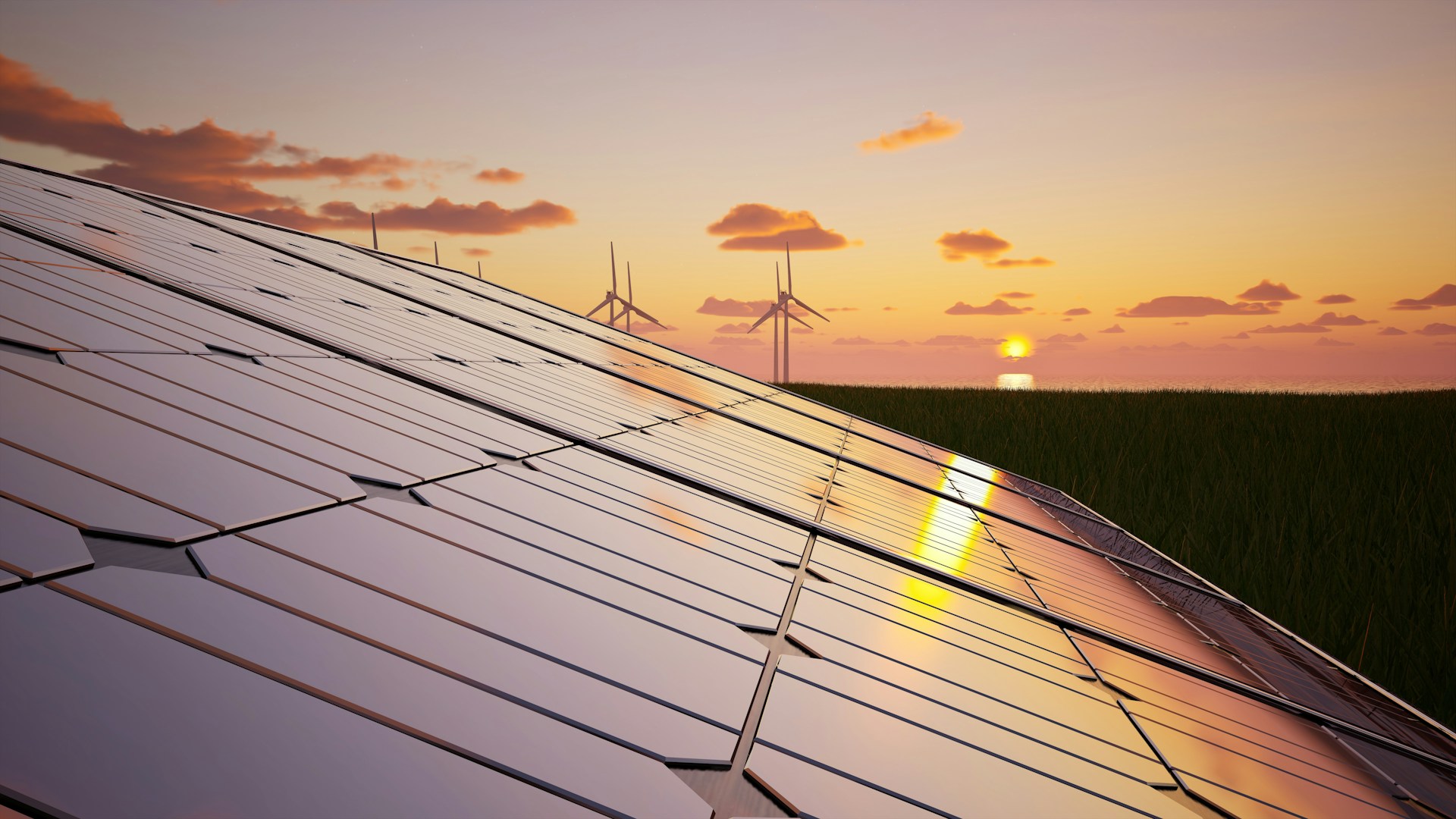
Mexico is set to invest $12.5 billion in solar and wind energy to expand its electricity capacity and strengthen its grid.
Mexico is preparing a $12.5 billion investment in solar and wind energy to expand its
Over 60 Solar and Wind Projects to be Voted on by CFE Board
The proposal includes more than 60 power plants, primarily solar and wind farms, which could contribute approximately 8,200 megawatts of installed capacity. According to information published by Bloomberg, the estimated cost amounts to $12.5 billion, although the figure could vary based on transmission expenses.
The CFE’s board of directors has scheduled the vote for Tuesday, October 20th. Preliminary approval does not guarantee that all plants will be built, as each project must proceed according to its respective procedures and requirements. Furthermore, the development of renewable energy parks necessitates infrastructure capable of transporting electricity from generation points to consumption centers.
Renewable Energy Seeks to Reduce Strain on the Electrical Grid
The federal government aims to strengthen the electrical system through new generation plants and infrastructure projects. In this context, solar and wind projects would contribute to diversifying supply sources and expanding electricity availability.
Mexico has experienced seasonal power interruptions, particularly in regions with high temperatures and elevated demand. The Yucatan Peninsula is among the areas that have faced supply pressure. However, simply adding generation capacity does not eliminate the risk of blackouts. The system also requires transmission lines, distribution networks, storage, and mechanisms to balance supply and demand.
Solar energy generation is dependent on available sunlight, while wind power generation varies with wind intensity. Therefore, planning must consider complementary systems to maintain supply stability during production fluctuations.
Sheinbaum Aims to Add 32 GW of Electricity Capacity by 2030
The new round of projects aligns with the federal goal of incorporating 32 GW of additional electricity capacity by 2030. The plan includes significant participation from renewable sources in the expansion of the national system.
The strategy aims to meet the growth in electricity demand and support industrial, commercial, and residential activities. It also seeks to facilitate private investment under a framework that preserves the state’s majority stake in electricity generation. Current legislation stipulates that the public sector must maintain at least 54% of electricity generation, with private participation allowed up to 46%. This model seeks to combine state investment with private capital to expand infrastructure.
In May 2026, the Ministry of Energy presented instruments to promote private electricity generation projects. The strategy includes mechanisms to streamline requests and facilitate the development of new power plants according to the country’s needs.
Private Investment to Be Key for Developing New Power Plants
The participation of private companies is a central element of the energy expansion. Under the proposed framework, investors can develop generation projects in coordination with the electrical system’s planning. This model marks a shift from the restrictions faced by private investment in previous years. Now, the government seeks to incorporate additional capital and technical capacity without relinquishing the state’s majority control over generation.
However, the progress of investments will depend on authorizations, technical requirements, and the financial viability of each power plant. It will also be necessary to coordinate the construction of these plants with the required transmission infrastructure. For investors, regulatory certainty and infrastructure availability will be determining factors. For the electrical system, the main challenge lies in converting announced projects into effective and reliable capacity.
What Does $12.5 Billion Mean for Mexico?
The estimated investment represents a commitment to expand renewable generation and meet future electricity needs. The projected 8.2 GW is equivalent to a nominal capacity comparable, in approximate terms, to that of eight large nuclear reactors. However, this comparison does not imply that both technologies produce the same amount of electricity year-round.
The effective generation from solar and wind farms will depend on weather conditions, facility availability, and the grid’s capacity to transport their output. Therefore, the ultimate benefit will also depend on complementary investments.
If the projects advance as planned, Mexico could strengthen its supply capacity and diversify its electricity matrix. Furthermore, the development of renewable energy plants would create opportunities for construction companies, technology providers, and specialized services. However, the definitive impact will depend on how many projects receive authorization, when construction begins, and what proportion of the estimated investment is realized.
The entry
More Articles

Nuevo León Ranks as Mexico's Third Largest Exporter
Sep 30, 2026

Netflix to Cut 1,000 Jobs: Are Positions in Mexico at Risk?
Oct 17, 2026

Consumer Confidence Drops in September 2026, INEGI Reveals
Oct 6, 2026

Do Mexican Companies Truly Innovate?
Oct 1, 2026

New Automotive Company to Formalize Investment in San Luis Potosí Soon
Sep 23, 2026

Mexico's Industry Grows Faster Than Its Operational Capacity
Oct 2, 2026