
Mobility in Mexico: how Much Do We Spend on Transportation?
Mobility in Mexico: How Much Do We Spend on Transportation?
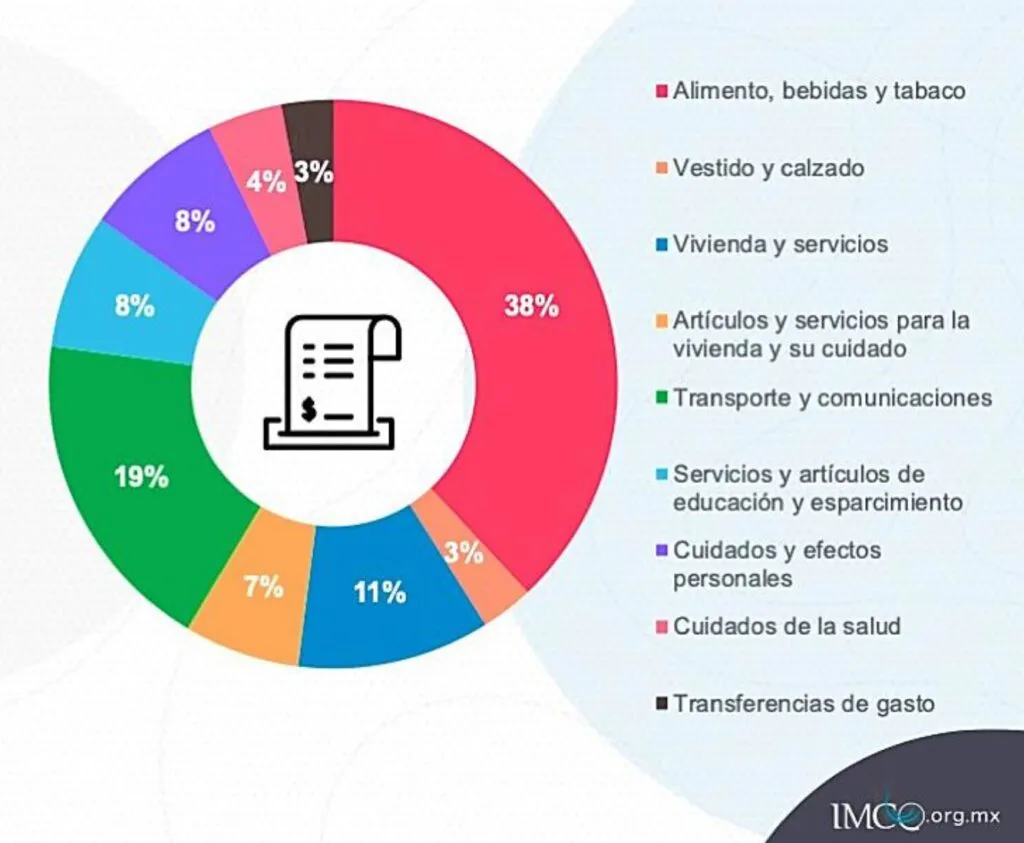
The familiarly sustainable model requires: income, space, time, and affection. According to figures from Coneval, in urban areas, 4,660 pesos per person per month are needed to cover an essential basket. This expanded basket integrates other goods and services related to basic needs beyond food, such as housing, water, electricity, gas, transportation, health and personal care products, and education. Figures from the Mexican Institute for Competitiveness (IMCO) indicate that households in the country allocate about 19% of their income to transportation. That is, the average expenditure on mobility is equivalent to 1,350 pesos per month, according to the IMCO’s Urban Mobility Index (UMI). In addition, figures from ANPACT, representing the automotive industry for commercial cargo and passenger vehicles, confirm that Mexican families spend 19% of their income on public transportation. The problem is that the National Mobility and Transportation Survey indicates that this means of transport is the worst rated by citizens, with 38 points out of 100. It is evaluated whether public transportation presents an adequate service, with a short waiting time to board, sufficient routes, friendly and respectful operators, and whether insecurity is perceived in the service. On the other hand, the number of vehicles on the streets has been multiplying. In cities such as Aguascalientes, the vehicle fleet has gone from one car for every ten inhabitants in 1980 to one vehicle for every 1.6 inhabitants by 2030. This demands more circulation spaces, more expenses in time, pollution, and fuel. To a large extent, it is appreciated that the distances to be traveled are greater because the cities are not designed on a human scale, that is, people are not living in areas where there are sufficient services and sources of employment, but are distanced from them.
The lack of efficiency and effectiveness of public transportation forces everyone to take their cars out on the street, and to seek to have one to overcome the deficiencies, losing hours of productivity and family time due to traffic and mobility needs.
More Articles

Trump Raises Tariffs on Canadian Autos and Steel: Implications for Mexico and USMCA
Aug 24, 2026

Líder Sales Summit 2026: Bringing Your Strategy to Life with Marina Pérez
Aug 19, 2026

Nissan CEO Iván Espinosa Reportedly to Visit Aguascalientes Plants
Aug 20, 2026

2027 Economic Package: Coparmex Jalisco's Proposal to Drive State Growth
Sep 8, 2026
40-Hour Workweek in Mexico: Lessons from Spain, Colombia, the US, and Chile
Sep 8, 2026

Mexican Private Consumption to Grow 2.2% Annually in July, but Plateau Month-over-Month
Aug 14, 2026