
New Regulations Could Save Zapopan Families Over 8,000 Pesos
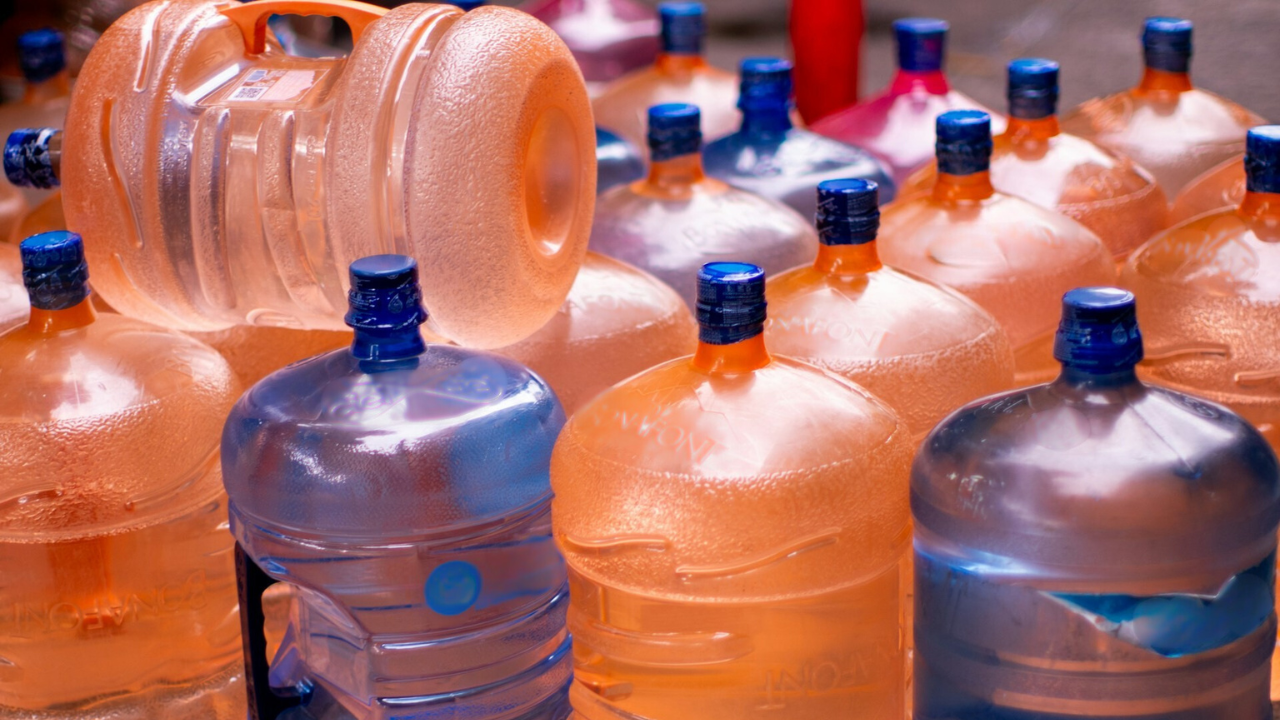
Zapopan introduces new regulations for water purification businesses to ensure quality, boost consumer confidence, and provide significant annual savings for families.
The average price of a 20-liter water jug from independent purification plants in Zapopan is 14.70 pesos, while a commercially branded one approaches 60 pesos. Despite this price difference, many of these businesses do not yet enjoy the preference and trust of the populace. In this context, the “Agua Segura Zapopan” (Safe Water Zapopan) initiative aims to
the water consumed by families, in addition to easing their daily expenses and strengthening micro-entrepreneurs in the sector. In an interview with Líder Empresarial, Miguel Ángel Ixtlahuac Baumbach, Zapopan municipal councilor, explains the implications, challenges, and benefits that this new regulation poses for both consumers and those operating water purification businesses in the municipality.
The Diagnosis: High Consumption and Disparate Prices
The municipality records 490 water purification plants, but only 151 have a notice of operation filed with the health authority. This implies that 70% operate without supervision. Ixtlahuac explains it as follows: “The primary intention is to prevent a health risk […] Fortunately, we have not had any cases here in Zapopan; none of these businesses have caused public health issues.” The IIEG identified that 62% of these businesses are located in areas of high and very high inequality. According to the councilor: “It is one of the most benevolent business sectors in the municipality; thanks to them, many people access water at an affordable cost.”
How Does the 8,000 Pesos in Savings Arise?
The IIEG indicates that a household in Jalisco consumes between 3.4 and 3.5 20-liter water jugs per week. When comparing prices between purification plants and commercial brands, annual savings can exceed 8,000 pesos. Ixtlahuac illustrates this: “We contacted 100 purification plants to inquire about prices; compared to the average price, families would effectively ‘forego purchasing’ up to four jugs from a purification plant for the cost of one recognized brand-name jug.” This differential makes purification plants the
for families in areas with lower purchasing power.
The Regulation: Requirements and Effects for Businesses
“Agua Segura Zapopan” (Safe Water Zapopan) plans to incorporate a new business category into municipal regulations under the name “Water Purification and Bottling.” Regarding this, the councilor explains: “To obtain a license, businesses will need to have their notice of operation filed with COFEPRIS and present evidence of compliance with NOM 201.” Establishments must submit two studies:
- Total coliforms.
- Physicochemical test. The combined cost of these tests ranges between 1,800 and 2,000 pesos, an investment the municipality deems accessible for businesses. According to Ixtlahuac, through these actions, the municipality will be able to attest that establishments comply with adequate sanitary practices. “We want to transition from a flexible license to a responsible one… it will be up to the health authority to conduct inspections and random protocols,” he stated.
How Should Purification Plants Be Regularized? Procedure for New and Existing Businesses
The municipality clarified how purification plant owners in Zapopan must comply, depending on their administrative status. The authority distinguishes two cases:
1. New Purification Plants Starting in 2026
Those applying for a license for the first time must comply from the outset with:
- Notice of operation with the health authority.
- Laboratory tests demonstrating compliance with NOM 201. The license application process will be conditional upon submitting this documentation.
2. Purification Plants with Existing Licenses
Establishments already in operation will have all of 2026 to bring themselves up to date. The municipality explained: “Individuals who already possess their license will have all of 2026 to regularize with the laboratory tests and their notice of operation; this will be a requirement for the 2027 renewal.” This means they must certify both tests and have their notice of operation to renew their license the following year. With this gradual process, the municipality seeks to facilitate the transition towards a more regulated market, without hindering business operations or affecting access to water for thousands of Zapopan families.
How Will the Reform Impact the Sector?
According to the councilor, purification plants that already comply will have competitive advantages:
- Increased consumer trust.
- Better differentiation from informal businesses.
- Opportunity to access areas with higher purchasing power. For businesses that do not yet comply, the regulation will entail investment and adjustments. Ixtlahuac explains it as follows: “Many people do not buy from these businesses; many people still do not trust them… although we do not have the authority to guarantee establishments, we will attest that those with a license have demonstrated good practices.”
“Agua Segura Zapopan”: Trust for Consumers and Entrepreneurs
The official explained that the municipality is open to coordinating with state and federal agencies, such as COPRISJAL, to conduct random inspections and audits. Furthermore, the “Agua Segura Zapopan” program seeks to identify and promote reliable businesses. Ixtlahuac summarizes it as follows: “We want to support the individuals who bring water to our communities. If you are a consumer, tell the owner of your most trusted purification plant to comply with NOM 201, and you can continue to purchase from them with greater confidence.” The entry
first appeared in Líder Empresarial.
More Articles
Mexican Strawberries Face Potential U.S. Anti-Dumping Measure: Impact on Producers
Aug 19, 2026

Fewer Hours, More Productivity: What Changes Do Mexican Companies Need?
Sep 7, 2026

San Luis Potosí Faces Sharp Increase in Business Delinquency in 2026
Sep 2, 2026

Sectors with the Highest Potential to Attract Investment in Mexico: CCE President
Aug 14, 2026

Top 5 Afores in Jalisco for 2026: Which is Best for Your Retirement?
Aug 27, 2026

San Luis Potosí Gains Ground as North American Logistics Hub
Aug 17, 2026