
Querétaro with Moderate Progress in Formal Job Creation: BBVA
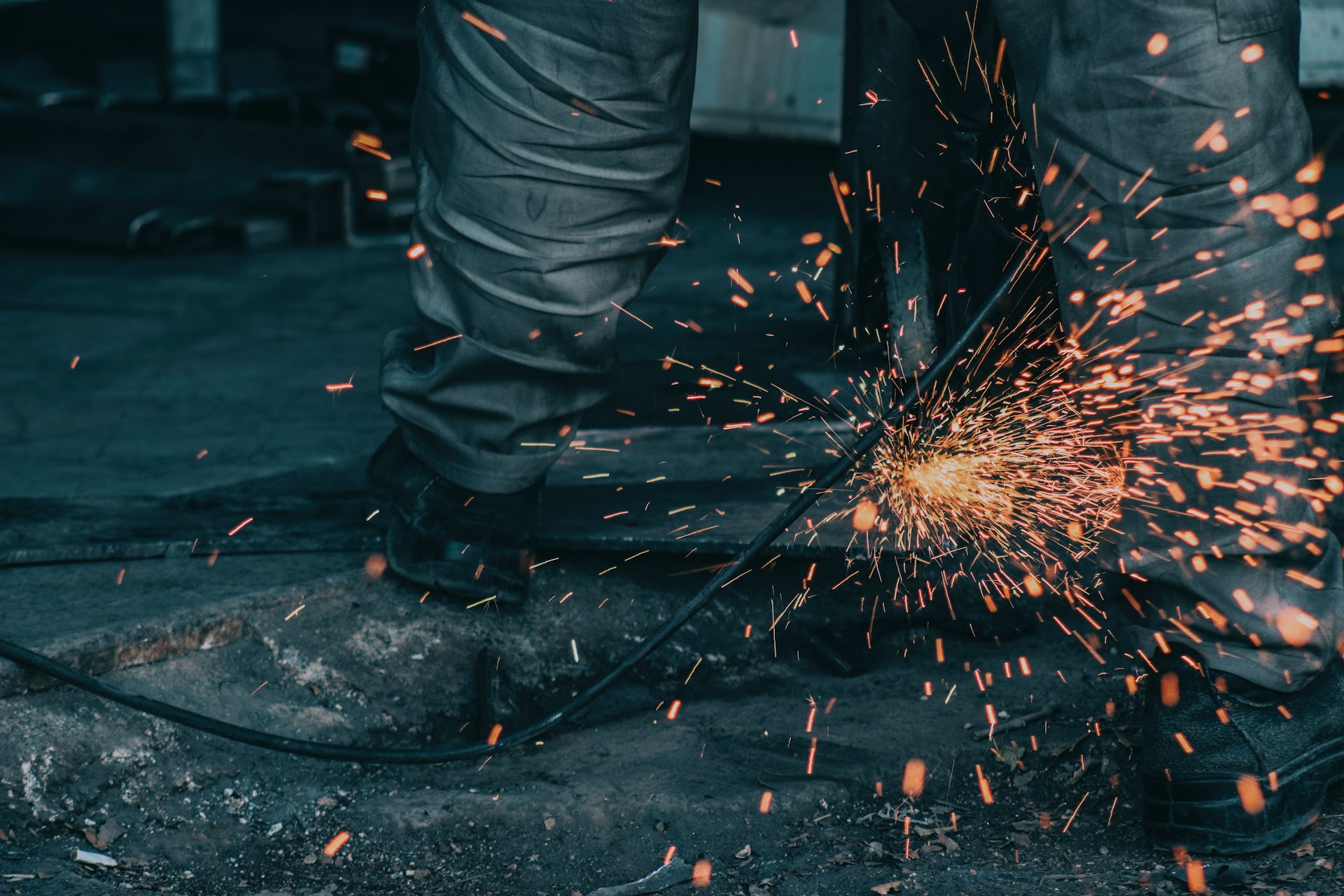
Querétaro shows moderate formal job growth despite a national economic slowdown, as per BBVA analysis.
Querétaro recorded a positive performance in
Bajío Shows Limited Dynamism Compared to Other Regions: BBVA
BBVA Research’s latest economic analysis indicates that the Bajío region maintains heterogeneous behavior in labor matters. In this context, Querétaro registered an annual growth of approximately 1% in formal employment, placing it among the entities with moderate progress, alongside Aguascalientes, while other states in the region experienced annual declines. This performance reflects an economic environment where investment and business confidence continue to show signs of caution, limiting the more accelerated expansion of formal employment.
National Context: Weakness in Investment and Employment
The BBVA report indicates that formal job creation in Mexico began 2026 with weakness, even registering a monthly decrease of 0.17% in the national total of workers affiliated with the IMSS. This behavior is associated with factors such as economic deceleration, uncertainty in productive investment, and moderate levels of business confidence.
Additionally, gross fixed investment showed an annual decline of 5.7%, driven primarily by an 11.6% reduction in machinery and equipment, a component closely linked to productive expansion and employment. This environment conditions labor growth in industrial states, including those in the Bajío, where manufacturing activity holds significant weight.
Productive Sectors and Employment: Mixed Signals
The report also identifies differentiated behavior by sector. Manufacturing accumulated 13 consecutive months with negative annual employment rates, with a contraction of close to 2.1%, reflecting the persistent weakness of industrial activity. Conversely, the services sector showed limited annual growth, close to 0.8%, which is below the recent average, while construction presented incipient signs of stabilization, though still lagging.
These trends directly impact regional economies like Querétaro, characterized by their industrial, manufacturing, and specialized services base.
Wages and Wage Bill Sustain Consumption
Despite the moderation in job creation, real wages showed an annual growth of 3.4%, which has allowed the wage bill to continue expanding, with an increase of nearly 4.3%. This behavior contributes to maintaining domestic consumption in the short term, although strengthening sustained formal job creation is considered necessary to consolidate this trend.
The post
More Articles

El Bajío Industrial Construction Sees 20% Growth in Early 2026
Mar 12, 2026

Global Stock Markets Open on March 17: Oil and Volatility Set the Pace
Mar 17, 2026

Black Monday for Stock Markets?: Oil Pressures Financial Markets
Mar 30, 2026
Golden Pension Reform Approved by 18 State Congresses: What's Next?
Mar 31, 2026

Weekly Analysis of the Most Relevant News for the Mexican Business Sector
Mar 11, 2026

Reduced Working Hours in Mexico: Risks, Costs, and What Businesses Must Monitor
Mar 20, 2026