
2027 Economic Package: Coparmex Jalisco's Proposal to Drive State Growth
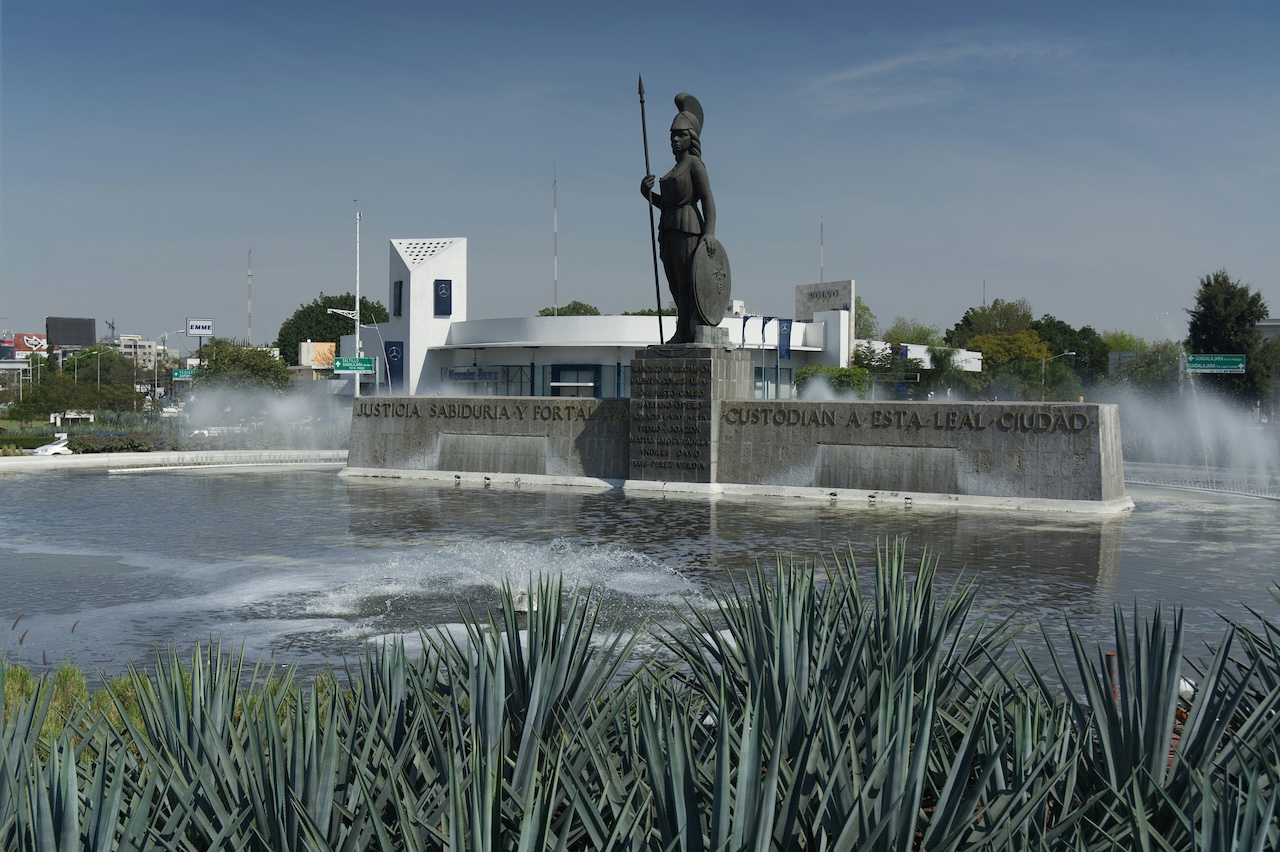
Coparmex Jalisco urges federal budget to prioritize strategic public investment and address competitiveness gaps for state growth.
2027 Economic Package: Coparmex Jalisco’s Proposal to Drive State Growth
As the 2027 Economic Package approaches its presentation, Jalisco’s business sector has emphasized that the federal budget must prioritize strategic public investment and address the deficits that could limit the state’s competitiveness. The Jalisco Business Center (Coparmex) believes the budgetary discussion should not solely focus on public financial order or deficit reduction, but also on defining resource allocation and their economic impact.
According to the business organization, Jalisco is a significant player in the national economy, so federal resource allocation must align with the infrastructure, services, and connectivity needs the state requires to maintain its capacity to attract investment and generate formal employment.
This stance was presented by Coparmex Jalisco, chaired by Luis Beas, ahead of the federal government’s proposal for the 2027 fiscal year. The organization stated that a responsible budget must strike a balance between financial discipline and investment that fosters conditions for growth.
“The budget must respond to the country’s current needs and create better conditions for companies to invest, grow, and generate formal employment.”
From this perspective, the 2027 Economic Package will also serve as a tool to define Mexico’s development priorities, particularly for states with significant economic weight like Jalisco.
What does Coparmex Jalisco request for the 2027 Economic Package?
The business proposal is based on the premise that public investment should be directed towards projects capable of generating long-term economic and social benefits. Coparmex identified several sectors considered strategic for state competitiveness:
- Energy: To ensure adequate conditions for business operations and expansion.
- Mobility: With projects to improve the movement of people and goods.
- Water: Due to its importance for the population and productive activities.
- Infrastructure: As a foundation for attracting new investment projects.
- Connectivity: Essential for strengthening Jalisco’s economic integration.
- Security: As a necessary component for well-being and business activity.
- Health and Education: For their direct impact on the quality of life and productivity of workers.
The rationale behind these priorities is that public infrastructure should not be viewed merely as expenditure, but as an enabler for private investment.
Energy, Mobility, and Water Among Jalisco’s Pending Issues
One of the private sector’s main proposals is related to strengthening the conditions that allow businesses to operate. Energy holds a central position in this discussion. For industry, energy availability and reliability are indispensable for expanding operations, installing new plants, and responding to growing demand.
Added to this is the challenge of mobility, particularly in a state where Guadalajara and its metropolitan area concentrate significant economic and logistical activity. Road and urban infrastructure are also crucial for connecting production centers, industrial corridors, and consumer markets.
Concurrently, water represents an increasingly relevant factor for economic development. Resource availability conditions both urban growth and the installation and expansion of certain productive activities.
From a business perspective, addressing these challenges through public investment can generate a multiplier effect by improving services, increasing productivity, reducing costs, and strengthening conditions for new investments.
Coparmex Urges Avoidance of Low-Impact Spending
In addition to requesting more resources for strategic sectors, Coparmex Jalisco proposed that the 2027 Budget establish clear priorities and avoid expenditures with limited economic and social impact. The business proposal places spending efficiency at the center of the discussion.
The organization called for strengthening transparency and accountability mechanisms so that public resources can be evaluated based on their results. The idea is that every peso allocated in the budget must have a defined purpose and translate into concrete benefits for the population.
Another key point of the business stance is to maintain the commitment to not create new taxes. Coparmex Jalisco believes that strengthening public finances should be supported by other tools, including increased collection efficiency and the fight against tax evasion.
It also proposed expanding the taxpayer base, rather than increasing the burdens on those who currently meet their tax obligations. The proposal seeks to find a balance between the government’s revenue needs and the financial capacity of businesses and workers.
For the private sector, increasing tax burdens without first addressing efficiency issues can affect businesses’ ability to invest, hire staff, or expand their operations. Therefore, the business organization requested that fiscal consolidation be accompanied by measures to improve revenue collection without generating new pressures on compliant taxpayers.
2027 Economic Package Must Invest in Workers: Coparmex Jalisco
Coparmex Jalisco’s vision extends beyond economic infrastructure. The organization emphasized that public spending must also consider the well-being of workers and their families, urging continued investment in security, health, and education.
These sectors have a direct relationship with productivity. A population with access to health services, quality education, and adequate security conditions has a better chance of integrating into the labor market and improving their productive capabilities.
At the same time, better public services can contribute to making cities and regions more attractive to companies evaluating new investment destinations. Thus, the budget should view economic development and social well-being as complementary elements, not separate objectives.
You may also read:
The post
appears first on Líder Empresarial.
More Articles

Working Less Doesn't Mean Producing Less: The New Productivity Equation
Oct 21, 2026

Monterrey Airport to Feature Mega Solar Park: How Many Panels Will Be Installed?
Sep 29, 2026

Do Mexican Companies Truly Innovate?
Oct 1, 2026

How Did the Employed Population of San Luis Potosí Change Between 2020 and 2025?
Sep 30, 2026

DiDi Food Launches Gastronomic Guide: What It Is and How It Will Help Consumers
Sep 29, 2026

Guanajuato Harvests 2026: 17,000 Visitors, 16 Dates, and Over 80 Experiences
Oct 12, 2026