
Why Querétaro Attracts More Talent and Investment Than Other Mexican Cities
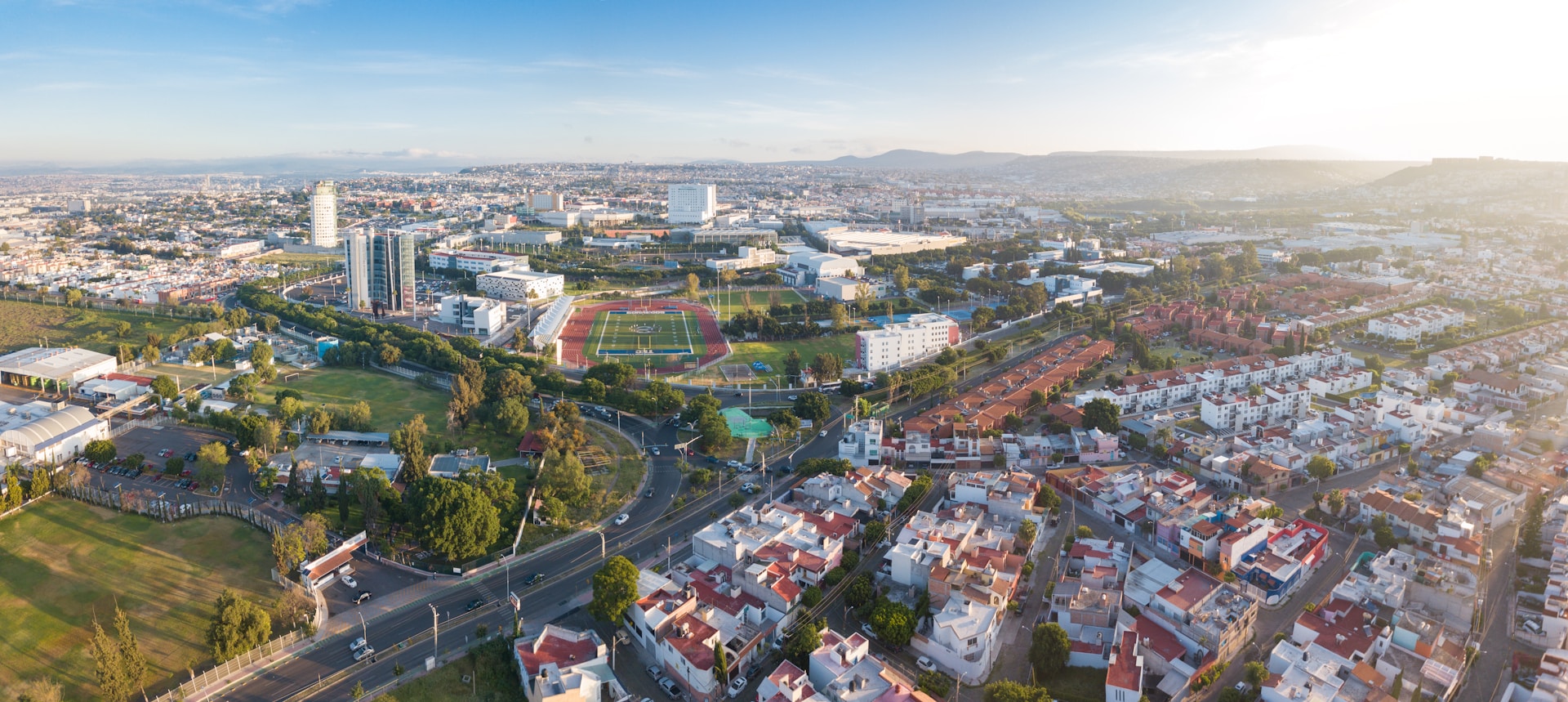
Querétaro leads Mexico's urban competitiveness index, excelling in innovation, economy, and governance, but faces infrastructure challenges.
Querétaro has positioned itself as the
according to the 2026 Urban Competitiveness Index (ICU), developed by the Mexican Institute for Competitiveness (IMCO). The result reflects the metropolitan area’s capacity to generate, attract, and retain talent and investment, in a context where the evaluated cities concentrate a significant portion of national economic activity. The ICU analyzes 72 metropolitan areas in the country, which represent between 80% and 90% of the national Gross Domestic Product and are home to 62% of the Mexican population. Therefore, their performance is crucial for understanding competitiveness, economic development, and living conditions in Mexico.
Querétaro Consolidates Its National Leadership
The capital of Querétaro ranked first overall in the index, with outstanding results in strategic dimensions such as Innovation and Economy, as well as in Political System and Government. These areas largely explain its advantage over other cities in the country, especially due to its productive dynamism, economic diversification, and institutional capacity.
In Innovation and Economy, Querétaro also secured the top spot. Among its key indicators, the size of the mortgage market stands out, with 48.43 credits per thousand adults, alongside an economic diversification encompassing 788 present sectors. Furthermore, it recorded a hotel occupancy rate of 60.23%, a GDP growth rate of 3.05%, and 3.11 patents per 100,000 economically active individuals.
These data indicate an urban economy capable of sustaining business activity, attracting investment, developing knowledge, and maintaining favorable conditions for diverse productive sectors.
Talent and Education Strengthen Querétaro’s Competitiveness
One of Querétaro’s most significant advancements is observed in Society and Environment, a sub-index where it climbed from 13th to 5th place. This improvement is primarily linked to its educational indicators, one of the most critical factors for talent development.
The city leads its group in average years of schooling, with 11.77 years of study among the population aged 25 and over. It also registers an educational coverage rate of 73.25%, surpassing the average for its category.
Government and Own Revenues Bolster Urban Performance
Querétaro also achieved first place in Political System and Government. In this category, its own revenues stand out, representing 61.88% of its total income, one of the highest levels among the evaluated cities.
The indicator for state-level corruption perception in urban areas stood at 69.92%, while the proportion of new vertical housing reached 58.45%. Additionally, the city reported a population density of 70 people per hectare and an infant mortality rate of 10.1 deaths of children under one year per thousand live births.
The combination of these factors positions Querétaro as a city with greater public management capacity, local financing, and urban planning, elements that directly impact its competitiveness.
Querétaro’s Labor Market: Strengths and Areas for Opportunity
In the Labor Market category, Querétaro ranked 12th. The city presented an average monthly salary for full-time workers of 13,937 pesos, and a labor informality rate of 33%, down from 39.4% in the previous measurement. Furthermore, companies with over 50 employees accounted for 2.2% of total economic units, an indicator that places it in 7th position. However, the sub-index also highlights areas needing attention, such as the gender income gap, which stood at 29%, and the average labor productivity, at 247.3 pesos per hour worked.
Infrastructure: The Main Counterbalance to Performance
Despite its overall leadership, Querétaro’s primary challenge lies in Infrastructure, where it ranked 20th. The weakest point is in intra-urban housing construction, with barely 2.51% of new housing located within the consolidated urban sprawl.
This indicator is relevant because dispersed urban expansion can increase costs for mobility, public services, infrastructure, and access to urban amenities. In contrast, the city achieved a solid result in households with computers and internet access, at 53.5%, an indicator where it ranked second.
The report also noted six hospital beds per 10,000 inhabitants, 1.2% of households supplied by water trucks, and 57.6 victims in transportation-related accidents per 100,000 inhabitants.
Why is Querétaro a Competitive City?
Querétaro’s leadership in the 2026 ICU confirms its role as one of the most relevant urban areas for the national economy. Its performance is explained by a combination of talent, innovation, economic dynamism, a government with revenue-generating capacity, and advancements in social indicators.
However, the result also shows that urban competitiveness does not depend solely on economic growth. To sustain its position, Querétaro must address challenges related to infrastructure, intra-urban housing, labor productivity, and the reduction of disparities. The entry
first appeared on Líder Empresarial.
More Articles
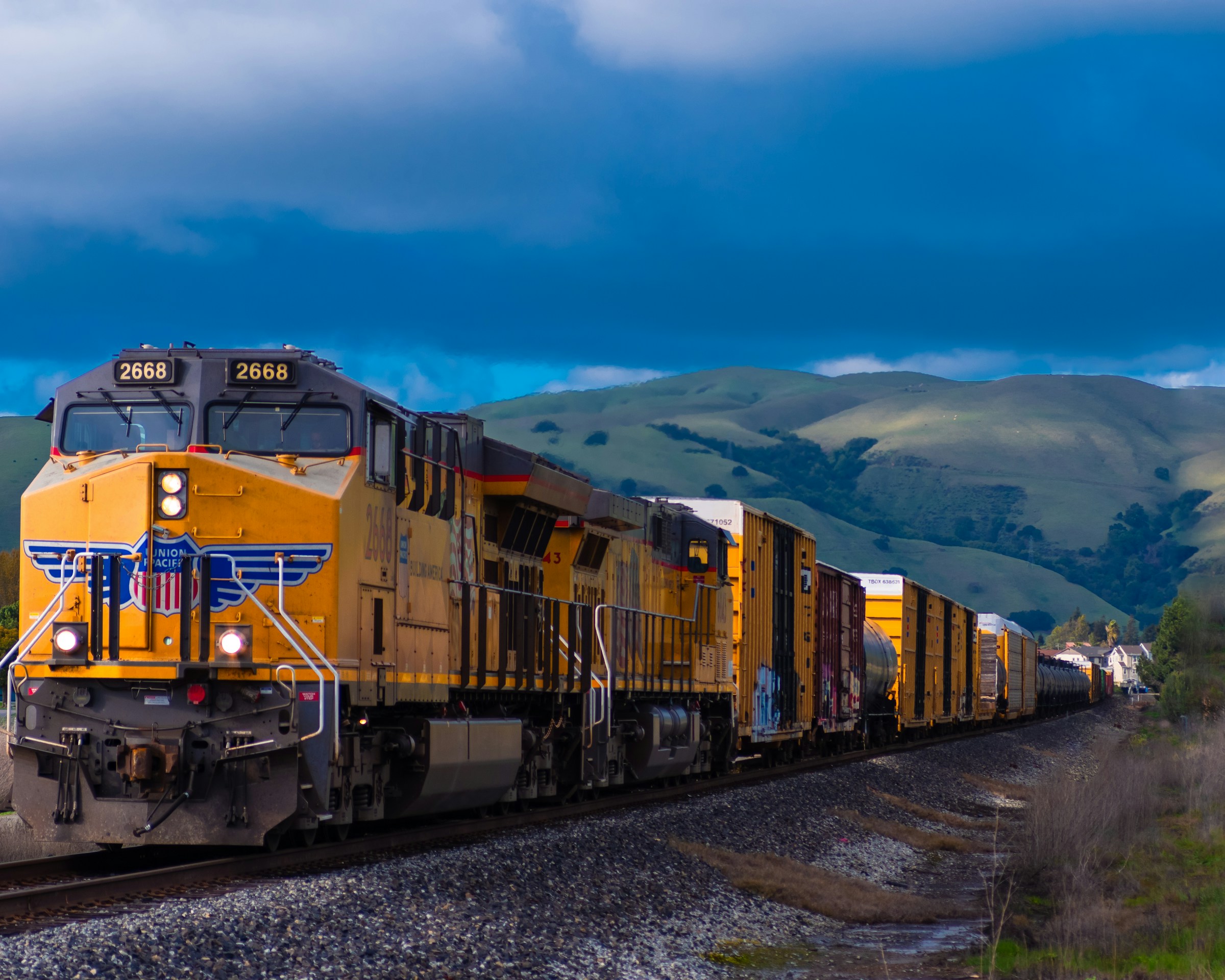
San Luis Potosí Gains Ground as North American Logistics Hub
Aug 17, 2026

How is Business Confidence in Mexico Performing?: INEGI Data for August 2026
Sep 1, 2026
Apple Event 2026: Launches, Innovations, Pricing, and More
Sep 9, 2026

Guadalajara-Paris: Dates, Frequencies, and Key Details of the New Flight
Sep 7, 2026
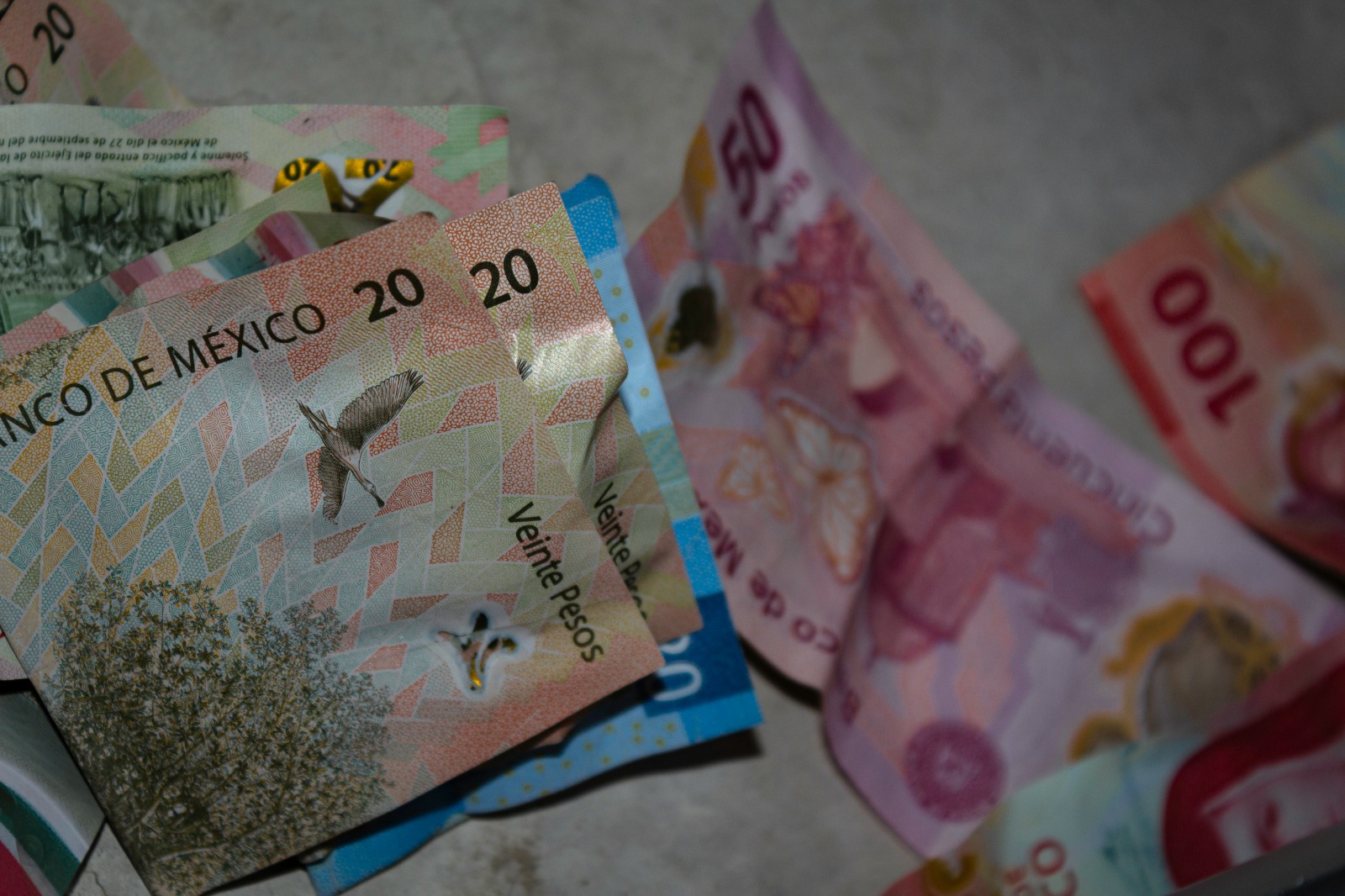
Mexico's GDP Grows 1.4% in the Second Quarter of 2026
Aug 24, 2026

Grupo Galería Accelerates Dunkin' Expansion in Monterrey: Antonio Barceló
Sep 10, 2026