
What Will Happen with Canada in the USMCA Negotiations? Sheinbaum Confirms Separate Progress with the US
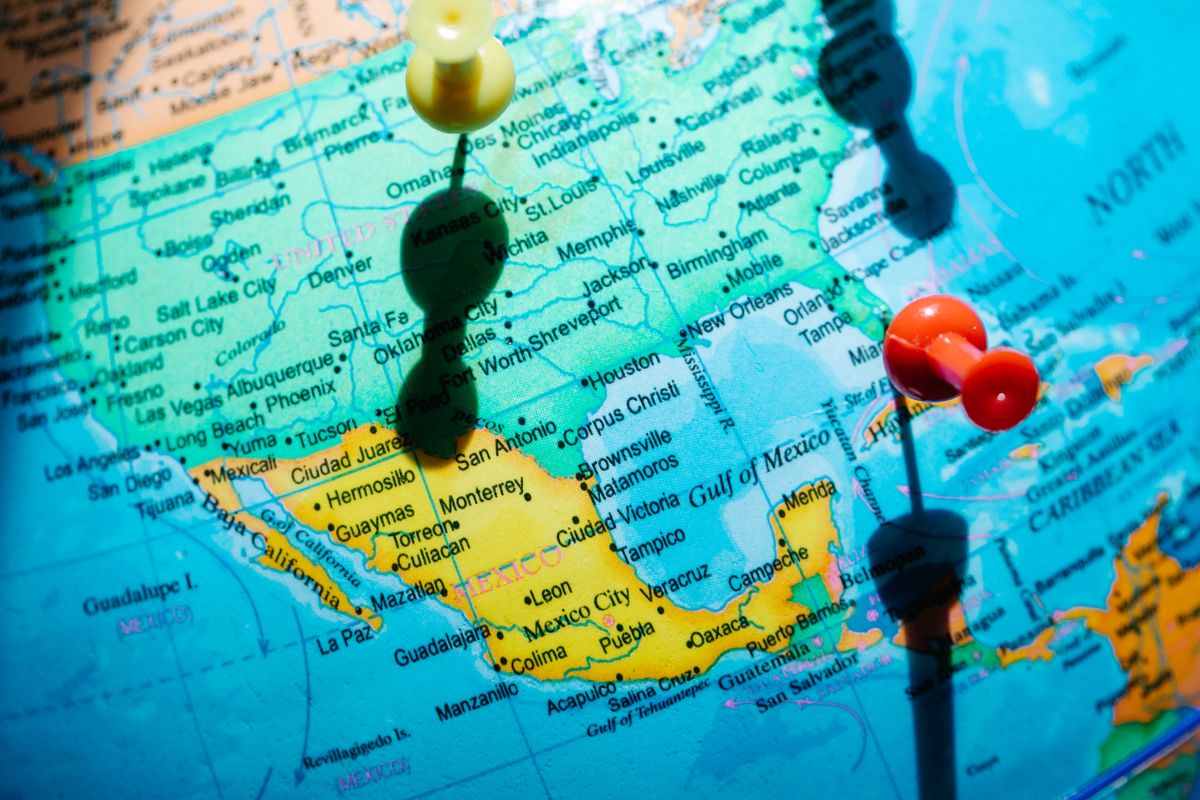
Mexican President Claudia Sheinbaum clarifies that the USMCA remains in effect as separate negotiations with the US advance, while Canada pursues its own discussions.
President Claudia Sheinbaum clarified that this new dynamic does not mean the United States-Mexico-Canada Agreement (USMCA) has ended. The agreement remains in effect, and discussions are not yet concluded. This relates to the trade relationship in North America, which is currently in a negotiation phase marked by differences among its three partners. In this scenario, Mexico and the United States are holding separate conversations, while Canada is engaged in its own process with Washington. The process is particularly relevant for Mexico due to outstanding tariff issues and the treaty’s scheduled review.
Mexico and the United States Advance with USMCA, But No Final Agreement Yet: Sheinbaum
During her press conference on Monday, October 12, Sheinbaum confirmed progress in USMCA discussions with the United States, though she avoided presenting the process as a closed deal. Among the issues that have seen progress are the tariffs applied to Mexican exports of automobiles, steel, and aluminum.
“There has been progress. We do not have a final agreement yet, but we continue to dialogue, which is what is important,” stated the President. Mexico’s stance is to maintain negotiations while seeking to resolve pending issues with Washington.
The Treaty Remains in Effect Despite Bilateral Negotiations
Sheinbaum’s remarks came after Donald Trump raised the possibility of prioritizing bilateral trade agreements over maintaining a joint negotiation among Mexico, the United States, and Canada. The President dismissed the idea that this stance would lead to the disappearance of the USMCA. She explained that the treaty was approved by the legislative branches of all three countries and continues to be the prevailing trade framework for North America. For now, the main modification lies in the negotiation approach, as the United States has decided to hold individual discussions with Mexico and Canada.
“At the moment, what the United States has decided is to negotiate separately with Canada and Mexico. We are having conversations; we have not yet reached agreements,” Sheinbaum indicated.
Mexico and Canada Seek to Extend the Treaty for 16 Years
One of the points under discussion concerns the USMCA’s review mechanism. According to Sheinbaum’s explanation, after six years in effect, the three countries must decide whether to extend the treaty for an additional 16 years or maintain the remaining term, accompanied by subsequent reviews. In this phase, Mexico and Canada requested an extension of the treaty’s validity for another 16 years, while the United States proposed retaining the current ten-year period and conducting annual reviews. However, this U.S. position does not yet represent a definitive decision. The President noted that the possibility of extending the agreement for 16 years remains open and could be discussed again later among the three governments.
What Will Happen with Canada in the USMCA Negotiations?
The relationship between the United States and Canada is one of the elements adding uncertainty to the current process. Trump has expressed his intention to seek trade agreements bilaterally and questioned the need to include Canada in certain negotiations. In this context, Mexico maintains its own dialogue channel with Washington. This means that, at least for now, the three countries are not jointly negotiating the terms of the process. Nevertheless, separate negotiations do not alter the treaty’s validity or remove Canada as one of its members. For Mexico, the immediate objective is to advance on pending trade issues with the United States without losing the framework that the USMCA provides for regional exchange.
Tariffs Remain Among Mexico’s Priority Issues
Differences related to automobiles, steel, and aluminum are among the matters Mexico seeks to resolve during the talks. These sectors hold particular significance for Mexican industry due to their integration with the production chains of the United States and Canada. Therefore, any modification in the conditions of access to the U.S. market can affect exporting companies, suppliers, and supply chains established in Mexico. Sheinbaum acknowledged that progress has been made but made it clear that there is still no definitive agreement with Trump.
USMCA Review Keeps Negotiations Open for the Coming Years
The current scenario does not imply an immediate rupture of the trade agreement. On the contrary, the USMCA remains in effect while discussions among its members continue. Mexico’s stance is to keep open the possibility of a 16-year extension, although the United States has proposed a different scheme. Sheinbaum also indicated that the discussion could be revisited in one, two, or three years if the governments deem it necessary to re-consult the treaty’s extension. Thus, the future of the USMCA still depends on the negotiations held by Mexico, the United States, and Canada as the three countries work to define the terms that will govern their trade relationship in the coming years.
You may also be interested in reading
The entry first appeared on Líder Empresarial.
More Articles

Guanajuato Gas Stations Pause Diesel Sales Amid Cost and Price Pressures
Sep 29, 2026

Nvidia Unveils New Platform to Prevent AI Agents from Exceeding Boundaries
Sep 28, 2026
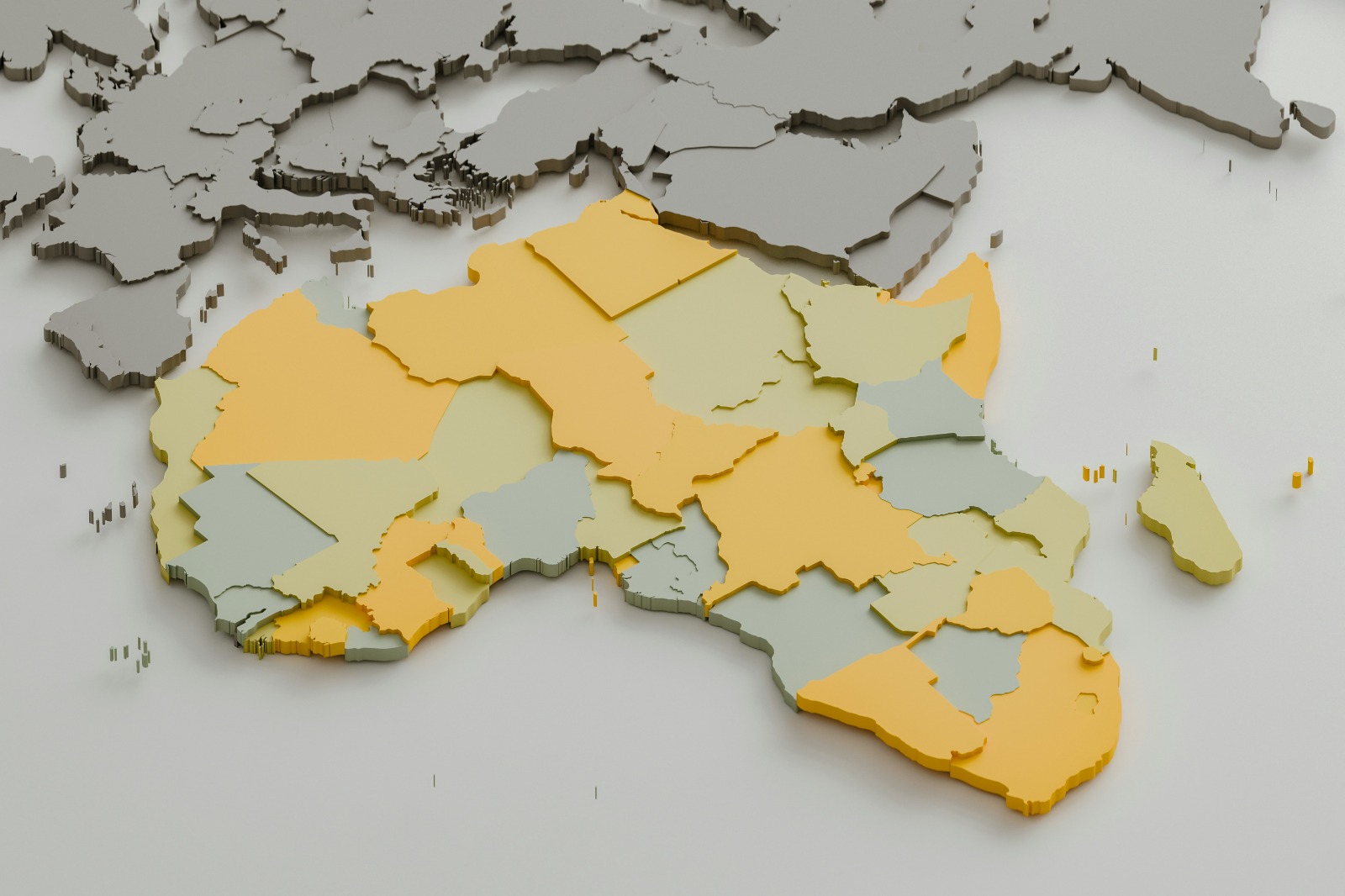
Aguascalientes Explores New African Markets Following Business Summit
Oct 5, 2026

Aeroméxico Under Investigation for Potential Data Breach: What Information Is at Risk?
Sep 21, 2026

Industrias Tajín Invests 500 Million Pesos: Project Details for Jalisco
Sep 24, 2026
Four Out of Ten Mexican Companies to Double-Digit Increase AI Investment
Sep 18, 2026