
Querétaro Beekeeping Sector Expands: Adds 48 Apiaries and 832 Hives
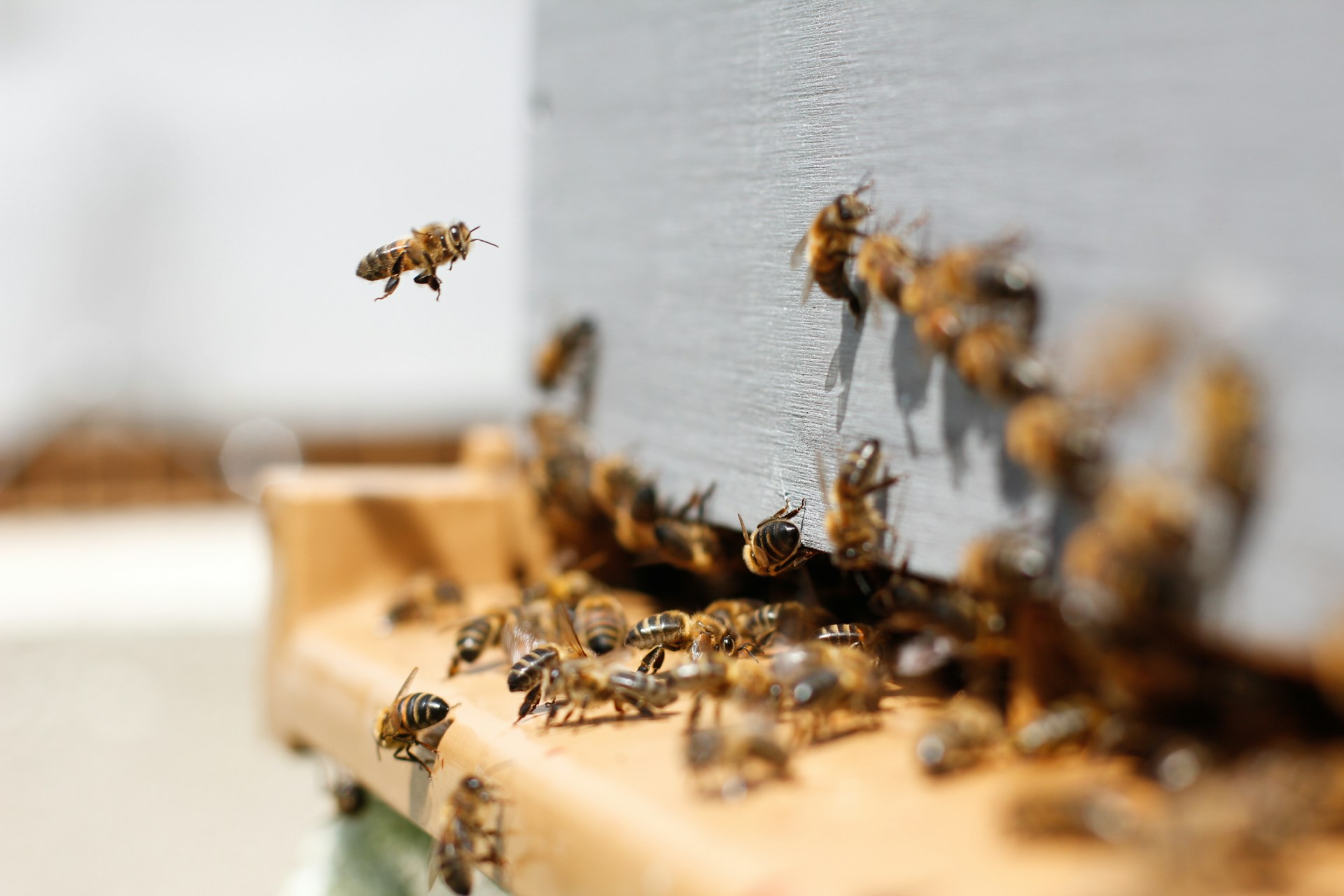
The Municipality of Querétaro has significantly increased its beehive population through the Poliniza Querétaro program, boosting apiculture and local ecosystem restoration.
The Municipality of Querétaro has increased the number of beehives in the capital by 157% through Poliniza Querétaro, a strategy focused on recovering, conserving, and restoring the local ecosystem. Currently, the program works with 37 beekeepers and registers over 832 beehives distributed across 48 apiaries, reported Yamil Olivier Ceja, head of the Municipal Secretariat for Economic Development.
Beehive Numbers More Than Double in the Municipality of Querétaro
The 157% increase represents one of the main outcomes of Poliniza Querétaro. If the current 832 beehives correspond to the reported growth, it is estimated that the municipality previously had around 324. Furthermore, the operation of 48 apiaries expands the presence of pollinators in various areas of the capital. According to the Municipality of Querétaro, to sustain this progress, the program collaborates closely with 37 beekeepers.
Querétaro Allocates 700 Thousand Pesos to the Strategy
Poliniza Querétaro has a direct investment of 500 thousand pesos. These resources are allocated to supplementary, energetic, and protein-based food, as well as genetic material, equipment, and infrastructure for the
. Additionally, the Municipality of Querétaro channels 200 thousand pesos to the Payment for Environmental Services scheme, in coordination with the Secretariat for Environmental Protection. Together, these two initiatives represent a fund of 700 thousand pesos to support apicultural activity and recognize its contribution to environmental restoration. The funds for Payment for Environmental Services are distributed among registered producers. Under this scheme, apiculture is recognized not only as an economic activity but also as an environmental service related to pollination and the maintenance of biodiversity.
Support Also Aims to Consolidate Beekeeping Businesses
The municipal strategy incorporates a business component. In addition to receiving inputs and equipment, participants access training for entrepreneurship, brand registration, and commercial follow-up. This support aims to enable beekeepers to transition towards more organized business models with enhanced capacity to market their products. Furthermore, the Secretariat for Economic Development also plans to reduce pesticide use, improve available habitats for bees, and broaden citizen participation.
Conservation Extends to Other Species
While bees are central, the environmental scope of Poliniza Querétaro includes other species that perform pollination functions or are part of the ecological balance. These include bats, butterflies, and some reptiles. As part of the strategic infrastructure, the municipal government operates two spaces dedicated to the program’s development. The first is located in the community of La Rochera, where training is provided to beekeepers and support is given to families involved in production. The second is situated at BLOQUE and features a pollinator garden. This space brings the strategy closer to an urban environment and promotes awareness about the importance of bees and other species. The post
appears first on Líder Empresarial.
More Articles

New Automotive Company to Formalize Investment in San Luis Potosí Soon
Sep 23, 2026

Grupo Galería Accelerates Dunkin' Expansion in Monterrey: Antonio Barceló
Sep 10, 2026

Aeroméxico Under Investigation for Potential Data Breach: What Information Is at Risk?
Sep 21, 2026

Sheinbaum in Querétaro: Train Projected for Completion in 2027
Sep 21, 2026

Train Would Position San Luis Potosí as a Key Logistics Hub in Mexico
Sep 7, 2026

Omnilife Plans New Investment in Jalisco: What's It About?
Sep 18, 2026