
Tariffs on Asian Imports: How Will They Impact the Mexican Footwear Industry?
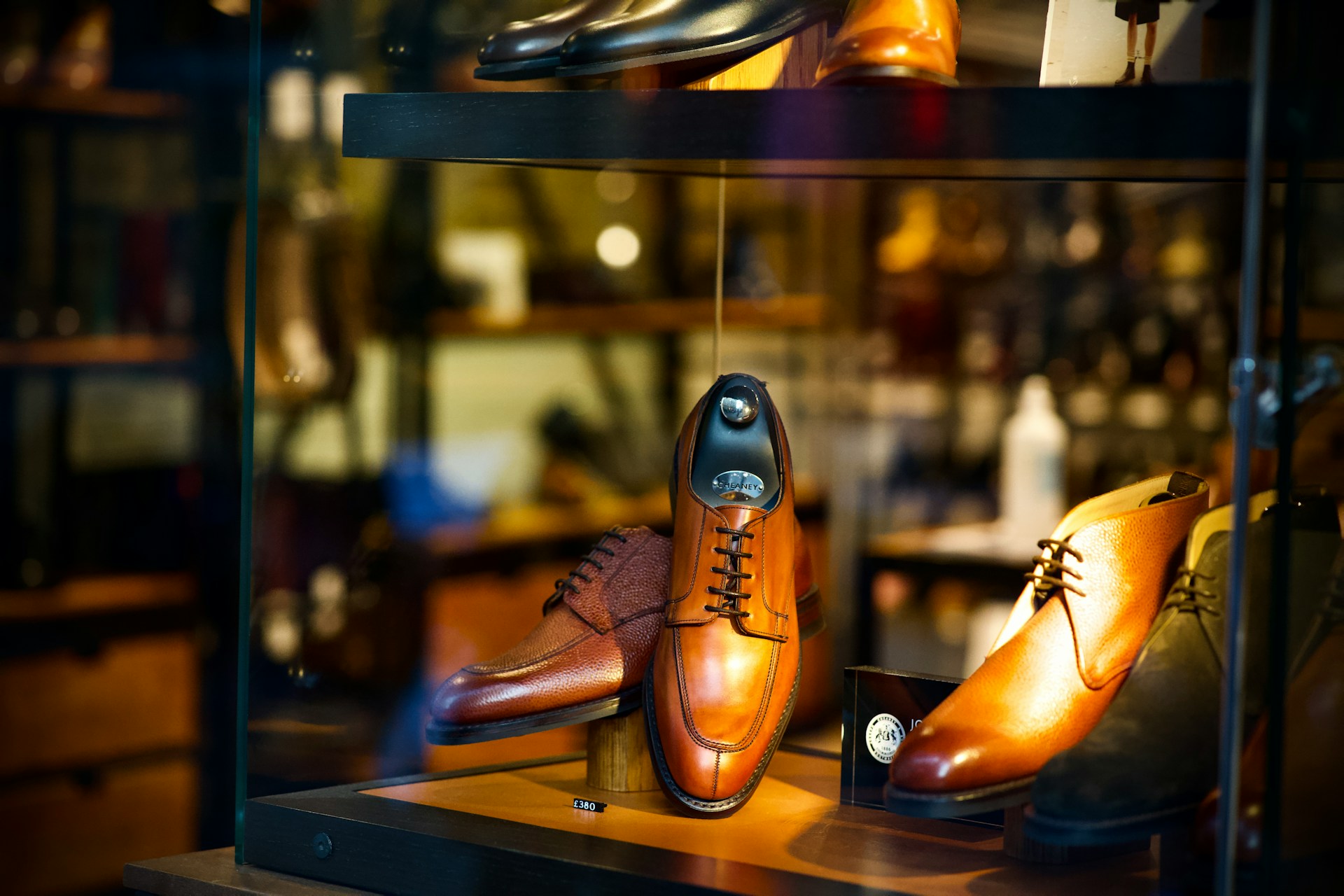
Mexico's footwear industry faces new tariffs on Asian imports, sparking debate on market protection, competitiveness, and consumer prices. Will it boost local production or pose challenges?
Tariffs on imports from Asia are generating debate in the footwear sector. Mexico, the second-largest producer in Latin America, faces a scenario where domestic market protection could redefine prices, margins, and commercial strategies. Will this be an opportunity for local manufacturers or a challenge to maintain competitiveness?
What Did the Chamber of Deputies Approve?
The opinion endorsed by the Commission on Economy, Trade, and Competitiveness, and approved by the Plenary of the Chamber of Deputies, reforms various tariff fractions of the Law on General Import and Export Taxes. The proposal, sent by the executive branch, establishes tariffs of up to 25% for finished products from Asia, primarily China and Vietnam.
The objective is to protect the national industry, which generates over 100,000 direct jobs and 500,000 indirect jobs, according to data from the Chamber of the
of the State of Guanajuato (CICEG).
Key Data Explaining the Measure
- National production: 250 million pairs annually.
- Asian imports: 30% of the total in Mexico.
- Applied tariff: 25% on finished products.
- Estimated price impact: 15% to 20% increase in imported footwear.
These figures reflect the magnitude of the change. Asian footwear, which previously arrived with prices up to 40% lower, will now face a significant increase, potentially reducing its market share in Mexico.
Opportunity for Local Manufacturers?
The tariffs could boost national production, especially in Guanajuato, Jalisco, and the State of Mexico, where 80% of the industry is concentrated. However, manufacturers will need to invest in technology and design to compete with the quality and variety offered by Asian brands.
Experts point out that innovation will be key. Companies that manage to automate processes and optimize costs will be able to leverage this juncture to gain market share in the domestic market.
Impact on Consumers and Prices
The final consumer will also feel the effect. It is estimated that the price of imported footwear will increase between 15% and 20%, which could alter purchasing habits and favor national brands. However, if the local industry does not respond with competitive products, the informal market could grow.
Short and Medium-Term Outlook
In the short term, a decrease in import volume and an increase in national production are expected. In the medium term, the challenge will be to maintain quality and innovation to prevent consumers from migrating to more economical options, even through unregulated channels.
Tariffs on imports from Asia are a measure aimed at protecting the Mexican footwear industry, but they also pose challenges in terms of costs, competitiveness, and technological adaptation. Success will depend on the sector’s ability to innovate and strengthen its production chain.
The article
appears first on Líder Empresarial.
More Articles

Electronics and Petroleum Drive Mexican Manufacturing
Mar 18, 2026
Foreign Direct Investment Decelerates in Aguascalientes by End of 2025
Mar 20, 2026

Global Stock Markets Open on March 17: Oil and Volatility Set the Pace
Mar 17, 2026

Weekend Snapshot: Critical Updates for the Business Sector
Mar 30, 2026

Reduced Working Hours in Mexico: Risks, Costs, and What Businesses Must Monitor
Mar 20, 2026

Does Market Volatility Affect Today's Dollar Price? Here's How It Trades
Mar 24, 2026