
What Are Venezuela's Economic Assets?
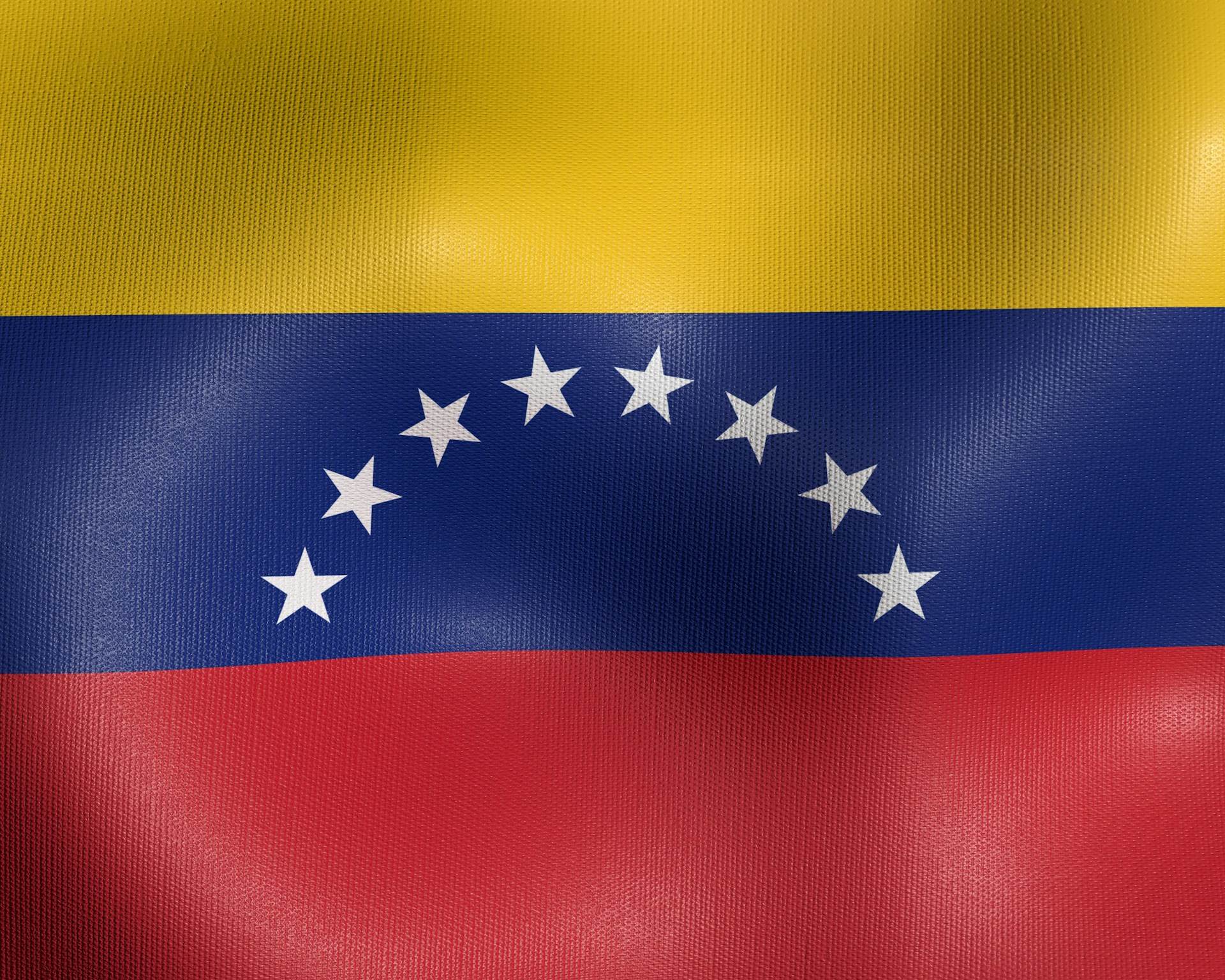
Following a hypothetical U.S. military intervention, the world's focus shifts to Venezuela's immense natural resources, particularly its vast oil, gas, and gold reserves, amidst questions of productivity.
The confirmation of
by the U.S. military and the bombing of military installations in Caracas has shaken the global geopolitical landscape. While the official White House narrative, disseminated by U.S. President Donald Trump via Truth Social, justifies the incursion as a “large-scale” counternarcotics operation, international markets are focusing on what lies beneath: control over the planet’s largest energy reserves. The operation, executed in the early hours of January 3, 2026, places a nation under a new sphere of influence; a nation that, despite its production crisis, possesses natural wealth surpassing that of any Middle Eastern power.
The Ocean of Oil
According to the latest statistical report from the OPEC, Venezuela indisputably remains the global leader in proven crude oil reserves. The South American country possesses 303 billion barrels beneath its soil, accounting for 19.4% of all global reserves.
To contextualize this energy “trophy”: -Venezuela (303 billion barrels) surpasses Saudi Arabia (267 billion barrels) and Iran (209 billion barrels). -It has almost seven times more proven oil than the United States (45 billion barrels). -It significantly exceeds Russia (80 billion barrels), a strategic rival of Washington.
The paradox that this military intervention could seek to resolve is that of productivity. Despite its vast oil resources, in 2024 Venezuela contributed merely 1.3% of global production, while the U.S. led the market with 18.2%. Therefore, control or stabilization of Venezuela could signify the reopening of the largest crude oil tap in the Western Hemisphere.
Gas, Gold, and Dollars: The Other Assets
Strategic interest does not solely reside in crude oil but extends to other types of Venezuela’s natural resources. Data from the Ministry of Popular Power for Hydrocarbons indicates that Venezuela is Latin America’s leading natural gas power and ranks eighth globally, with proven reserves of 195.24 trillion cubic feet (TCF). Of this total, 81% is associated gas (gas associated with oil), which facilitates its joint extraction.
Regarding mining, the World Bank (with data as of 2017) valued Venezuelan gold reserves at approximately 9.794 billion dollars, a key safe-haven asset in times of volatility. Additionally, the country’s international reserves had shown a recent recovery, closing November 2025 at 13.558 billion dollars, according to Trading Economics.
Chronicle of an Announced Intervention
Tension had escalated during the final months of 2025. Washington intensified its naval presence in the Caribbean, destroying at least 22 vessels and leaving a toll of over 80 fatalities in what the Pentagon termed “counternarcotics attacks.” While Nicolás Maduro persistently denounced that the ultimate objective was “access to the vast oil wealth,” the State Department denied such an assertion.
Today, with Maduro out of the country and U.S. troops operating on Venezuelan soil, the question regarding the fate of those 303 billion barrels of crude oil begins to clarify.
You Might Be Interested In
The post
first appeared on Líder Empresarial.
More Articles

Reduced Working Hours in Mexico: Risks, Costs, and What Businesses Must Monitor
Mar 20, 2026

incMTY 2026: Nuevo León Aims to Drive Further Startup Investment to Bolster its Economy
Mar 18, 2026

Beyond Pretense: Women in Industry (Part II)
Mar 18, 2026

Penalties for Not Filing the 2026 Annual Tax Return with the SAT
Mar 28, 2026
Will Olinia Electric Vehicles Launch Before the 2026 World Cup in Mexico?
Mar 18, 2026

How Nuevo León Strengthens Its Security Strategy in 2026
Mar 19, 2026