
Two Years into Sheinbaum's Administration: What Labor Reforms Have Been Approved?
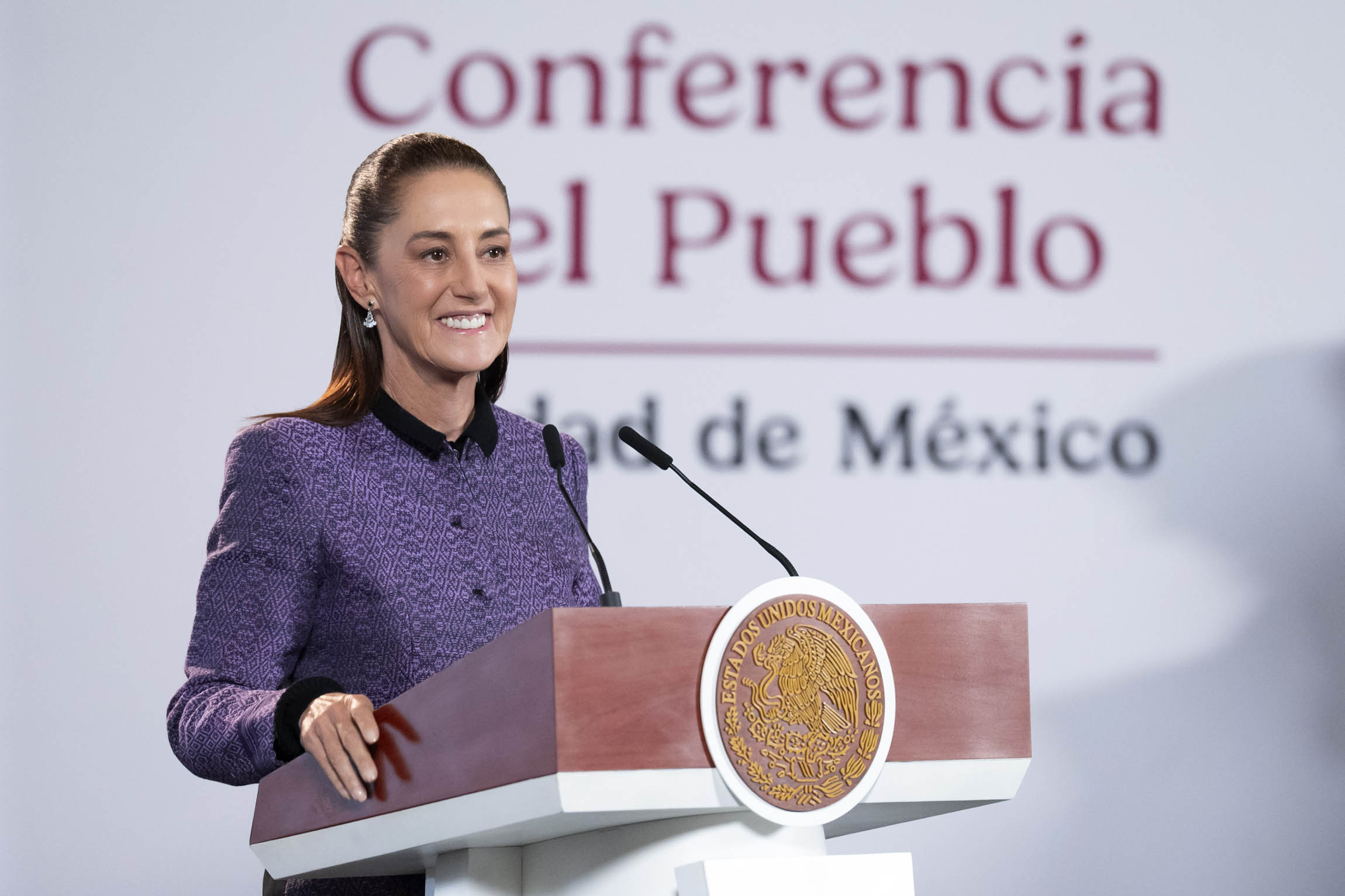
A review of significant labor reforms enacted during President Claudia Sheinbaum's first two years in office, including changes to working hours, digital platforms, and pay equity.
Two Years into Sheinbaum’s Administration: What Labor Reforms Have Been Approved?
Two years into President Claudia Sheinbaum’s administration, the Federal Labor Law has seen significant changes concerning working hours, labor conditions, and new employment modalities. Among the most prominent labor reforms are the 40-hour workweek, the
(Seat Law), and the regulation of digital platform work. Provisions regarding salary equality, agro-exportation, and artist rights were also modified.
The most far-reaching change arrived in 2026. In March, the Constitution was reformed to establish a maximum 40-hour workweek, with gradual implementation. Two months later, the Federal Labor Law was amended accordingly.
However, the 48-hour workweek remains in effect during 2026. The limit will decrease to 46 hours in 2027 and 44 hours in 2028. Subsequently, it will move to 42 hours in 2029 and reach 40 hours in 2030. This reduction cannot result in lower salaries or benefits.
Prior to this reform, one of the administration’s early labor changes occurred in December 2024. That month, legislation was modified to combat the gender pay gap. The Federal Labor Law upholds the principle of equal pay when the position, working hours, and efficiency conditions are also equal.
Three days later, the so-called Ley Silla (Seat Law) was published. The reform mandates the provision of sufficient seats with backrests in sectors such as services and retail. It also prohibits requiring individuals to stand for their entire shift.
The close of 2024 brought another relevant change. On December 24th, digital platform work was incorporated into legislation through a new chapter of the Federal Labor Law.
The reform recognizes employment relationships under specific conditions regarding income and actual work performed. It also establishes obligations related to social security, contracts, and transparency in algorithmic management. Furthermore, it outlines rights such as profit-sharing under the circumstances prescribed by law.
Throughout 2025, amendments were also made to the Infonavit Law and the Federal Labor Law. The decree, published in February, introduced changes concerning social housing for workers.
In January 2026, another reform introduced new obligations related to substantive equality. Companies are required to contribute to maintaining spaces free from discrimination and violence against women. They will also need to train their personnel to prevent such behaviors.
In May, two modifications targeting specific sectors were introduced. One established the Labor Certificate for Agro-Exportation, which can attest to compliance with labor and social security obligations.
The other strengthened the labor rights of artists, performers, and musicians. Their contracts must now specify the conditions and remuneration for the use of their image or voice via artificial intelligence.
The post appears first on Líder Empresarial.
More Articles

Capgemini Mexico Recognized on Most Ethical Companies Ranking 2026
Sep 24, 2026

Guanajuato Ranks in the Top 5 for the Meetings Industry: What Strengthens Its Position?
Sep 14, 2026

Mexican Peso Gains Ground: What is the Dollar Price Today, September 15?
Sep 15, 2026

Jalisco Surges in Exports by 130.8%, Securing Second Position Nationally in Mexico
Sep 30, 2026

San Luis Potosí Households Report Nearly 100,000 Pesos in Quarterly Income: INEGI
Sep 28, 2026

Mexico's Exports Increase in August 2026: What Was the Trade Balance?
Sep 28, 2026