
Querétaro's Agri-Exports Face New Trade Barriers
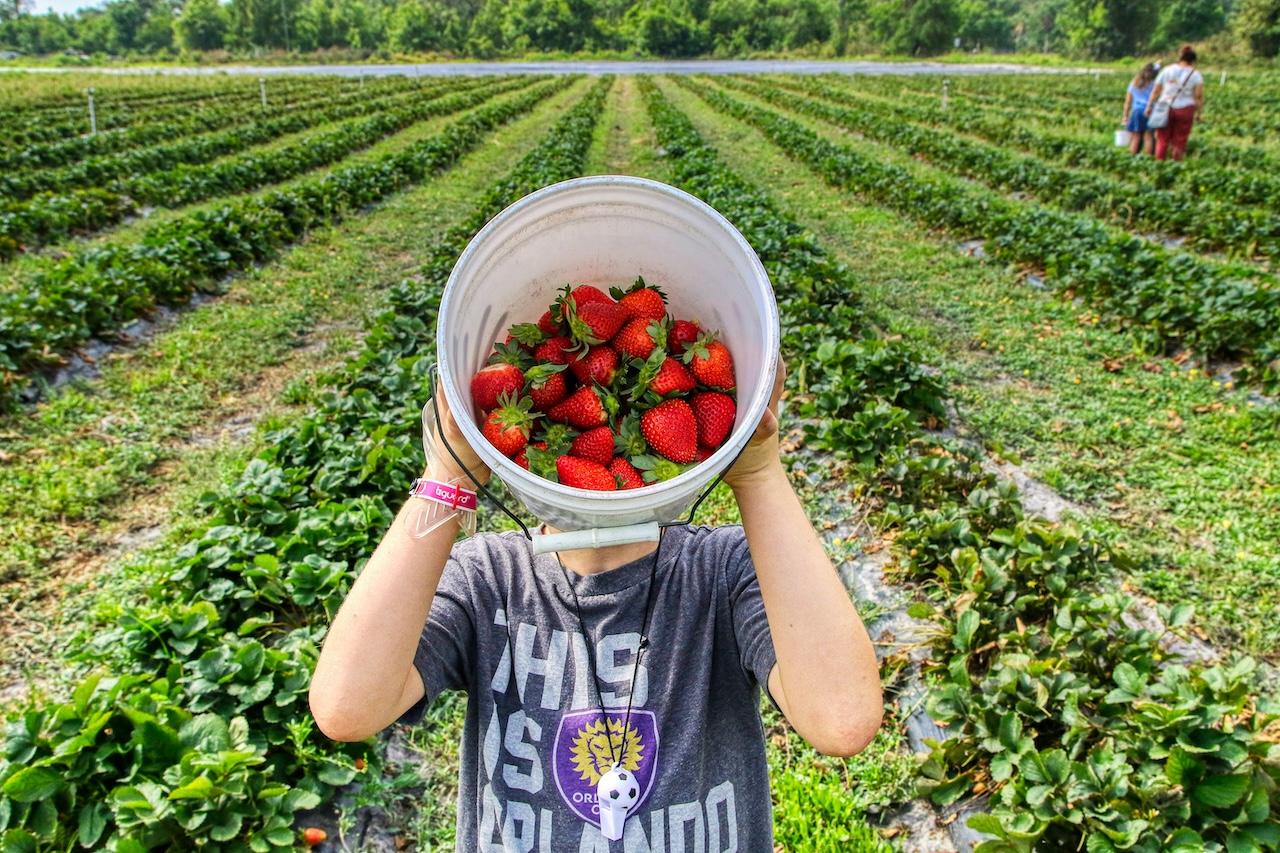
Querétaro's agricultural exports saw a contraction and increased hurdles entering the US in early 2026 due to tariffs and stricter sanitary controls.
Querétaro’s Agri-Exports Face New Trade Barriers
Querétaro’s agri-exports began 2026 with a contraction and increased obstacles for entry into the United States. The tariff applied to Mexican tomatoes, coupled with stricter sanitary controls for vegetable and livestock products, raises costs for a sector that competes on quality, freshness, and rapid deliveries.
The agricultural sector exported $45.7 million during the first quarter of 2026, a 10.9% annual decrease, according to INEGI’s Quarterly Exports by State. Its participation accounts for approximately 1% of Querétaro’s international sales. Although it is far from the weight of manufacturing, it sustains productive activities and jobs in municipalities with an agricultural focus.
What Agri-Exports Does Querétaro Conduct?
Data México records place Pedro Escobedo as one of the main origins of state agricultural trade. During 2025, its exports were led by fresh or chilled vegetables, with $34.3 million, and fresh tomatoes, with $26.6 million.
The exportable supply identified in the municipality includes:
- Fresh or chilled vegetables.
- Fresh or chilled tomatoes.
- Melons, watermelons, and papayas.
- Vegetables produced under protected agriculture.
- Selected agricultural products packaged for export.
Data México’s municipal figures come from foreign trade records, while INEGI assigns exports to the place of production. Due to their methodologies, these values should not be added together.
Tomatoes Exposed to a 17.09% Levy
The United States terminated the agreement suspending the anti-dumping investigation against Mexican tomatoes in July 2025. Since then, most imports have paid a countervailing duty of 17.09%.
This measure has a direct impact on Querétaro. Tomatoes rank second among registered exports in Pedro Escobedo, and part of the state’s production is oriented towards the U.S. market.
The levy can translate into:
- Lower margins for producers and marketers.
- Pressure to renegotiate prices with buyers.
- Increased working capital needs.
- Risk of losing competitiveness against U.S. suppliers.
- Incentives to diversify destinations and presentations.
The United States International Trade Commission initiated a market conditions review in 2026. Until a resolution modifies the measure, the levy remains part of the access cost.
Sanitary Barriers for Querétaro’s Agriculture
The United States maintains protocols to reduce the risk of cattle screwworm entry from Mexico. During 2025, it temporarily closed border crossings to live animal trade and, in August 2026, reopened the Douglas, Arizona crossing under enhanced sanitary measures.
For fresh vegetables and fruits, exporters must also demonstrate food safety, traceability, pest control, and packaging conditions. The ability to document each production stage is as influential as the available volume.
The 10.9% decline recorded at the start of 2026 makes any disruption more costly. Facing this scenario, protected agriculture, sanitary certifications, product processing, and buyer diversification offer concrete pathways to reduce dependence on a single border.
appears first on Líder Empresarial.
More Articles

Mexico's Industry Grows Faster Than Its Operational Capacity
Oct 2, 2026

Jalisco Surges in Exports by 130.8%, Securing Second Position Nationally in Mexico
Sep 30, 2026

Tec de Monterrey Ranks as Mexico's #1 University in QS 2027 Rankings
Oct 5, 2026
What is Nuevo León's Position in Mexico's IMMEX Exports?
Sep 21, 2026

Aguascalientes Lags National Average in Artificial Intelligence Adoption, Study Reveals
Sep 17, 2026
Aguascalientes Explores New African Markets Following Business Summit
Oct 5, 2026