
Aguascalientes' Green Economic Engine
Aguascalientes' agroindustry is a vital, tech-driven, and diversified economic pillar, supporting value chains, employment, and foreign trade in the Bajío region.
Agroindustry has emerged as one of the less visible, yet most consistent, pillars of Aguascalientes’ economy. Moving beyond sole reliance on the manufacturing industry, the state has built a technologically advanced, diversified agricultural base with a strong entrepreneurial focus. Official data reveals that this robust agricultural sector not only supplies the domestic market but also sustains value chains, employment, and foreign trade in the Bajío region.
Agroindustry, Aguascalientes, and the Economy: A Quantifiable Relationship
The significance of agroindustry in Aguascalientes’ economy is elucidated by figures, not rhetoric. According to the Agri-Food and Fisheries Information Service (SIAP), the state consistently ranks within the national top 10 for numerous vegetable crops, both by volume and economic value.
In terms of total agri-food volume, 71% of Aguascalientes’ production originates from the agricultural sector, while 28.4% comes from the livestock sector. This structure contrasts with the national average, where 90.9% of agri-food volume depends on agriculture, reflecting a more balanced productive composition within the state.
When the analysis shifts to economic value, the landscape changes. The agricultural sector contributes 15.9% of the state’s total agri-food value, according to SIAP data. This disparity between volume and value highlights a central challenge: increasing the value-added of plant production.
Fruits Where Aguascalientes Holds National Positions
Official SIAP records position Aguascalientes among the states with the highest fresh fruit yield, not due to territorial extension, but rather productivity and specialization.
Among the most relevant crops are:
These fruits drive processes of packaging, refrigeration, transformation, and logistics, thereby extending their impact beyond the agricultural field.
High-Value Vegetables Supporting the Agricultural Economy
In vegetables, Aguascalientes’ agroindustry demonstrates a clear orientation towards intensive and technologically advanced crops. According to SIAP, the state is among the leading national producers in:
- Lettuce: 4th national rank.
- Cauliflower: between 5th and 7th national rank.
- Broccoli: around 7th national rank.
- Cilantro (Coriander): 2nd to 3rd national rank.
- Garlic, Nopal (Cactus Pear) Vegetable, and Asparagus: consistent presence in the national top 10.
These crops require efficient irrigation, sanitary control, infrastructure, and logistical planning, factors that account for their economic significance.
Crops Sustaining Agricultural Value
Five products account for a substantial portion of Aguascalientes’ agricultural value, both by volume and their integration into agroindustrial supply chains.
Agricultural Products with the Highest Economic Contribution:
| Crop | Value (MXN Million Pesos) | % of State Value | Volume |
|---|---|---|---|
| Fodder Corn | 853 | 18.0% | 1,121,229 t |
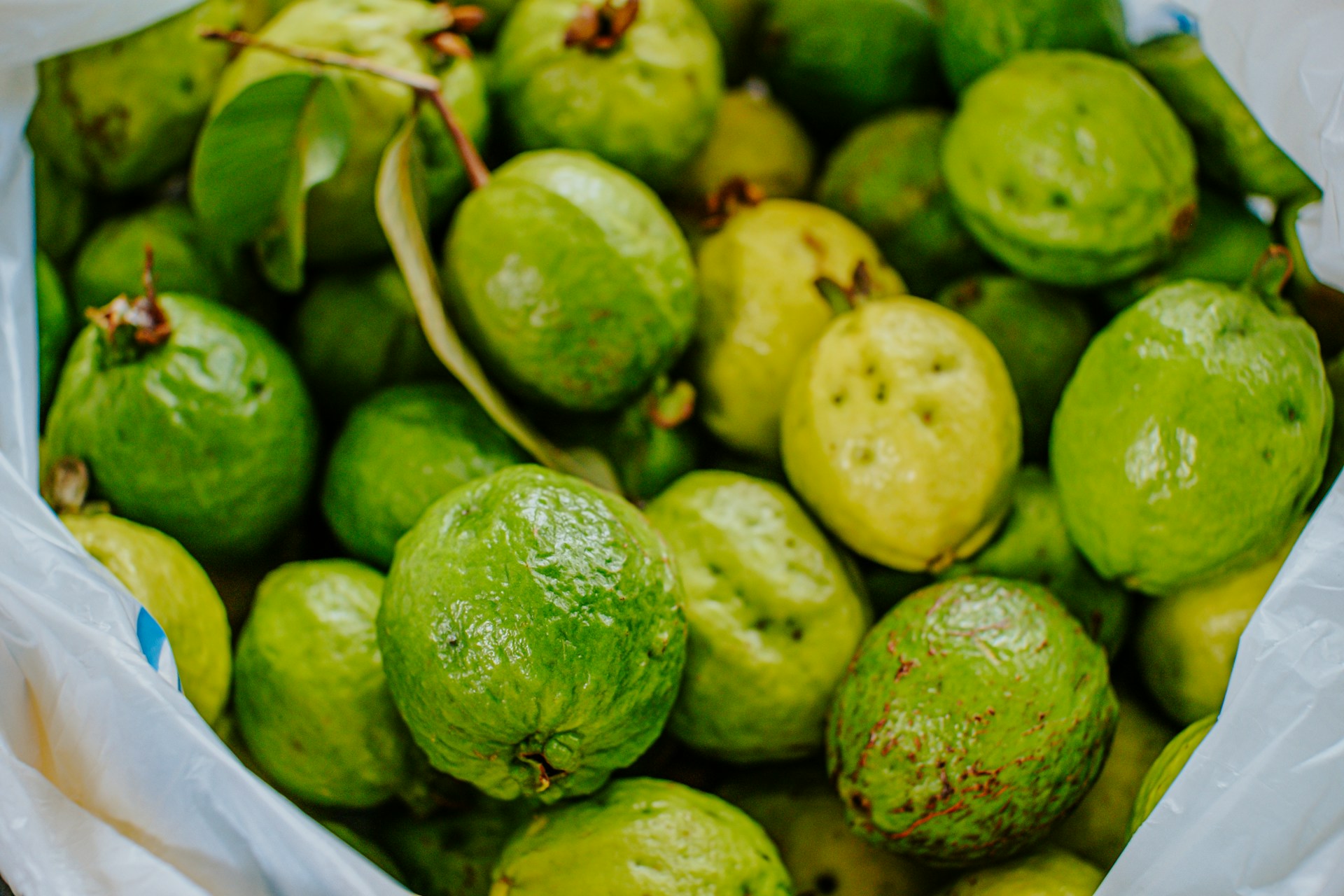
| Guava | 786 | 16.6% | 126,392 t |
| Red Tomato | 748 | 15.8% | 70,214 t |
| Lettuce | 378 | 8.0% | 66,572 t |
| Alfalfa | 338 | 7.1% | 444,628 t |
These crops not only supply the domestic market but also support transformation processes, indirect exports, and agroindustrial supply chains.
Calvillo: The Agricultural Heart of the State
Agricultural activity is not distributed homogeneously. Calvillo concentrates the largest agricultural contribution in Aguascalientes, according to official SIAP figures.
This municipality contributes:
- 24.1% of the state’s agricultural value, equivalent to 1,140 million pesos.
- 9.5% of the planted area, with 8,284 hectares.
- 12.1% of the harvested area, with 7,775 hectares.
This productive concentration has transformed Calvillo into an agroindustrial hub, where
You might also be interested in:
This post first appeared in Líder Empresarial.
More Articles

Mexico's Productivity Surges, Outpacing OECD Average According to New Report
Jul 7, 2026

Automotive Parts Industry Proposes Strategic Agenda to Strengthen USMCA and Automotive Competitiveness
Jul 2, 2026

IMMEX 4.0: What Changes is the Private Sector Proposing for Mexican Manufacturing?
Jul 7, 2026

Nubarium Enhances Cybersecurity and Digital Identity via Open Finance 2050
Jul 22, 2026

Farmacias Similares and Stori Launch Card to Include Millions
Jul 13, 2026
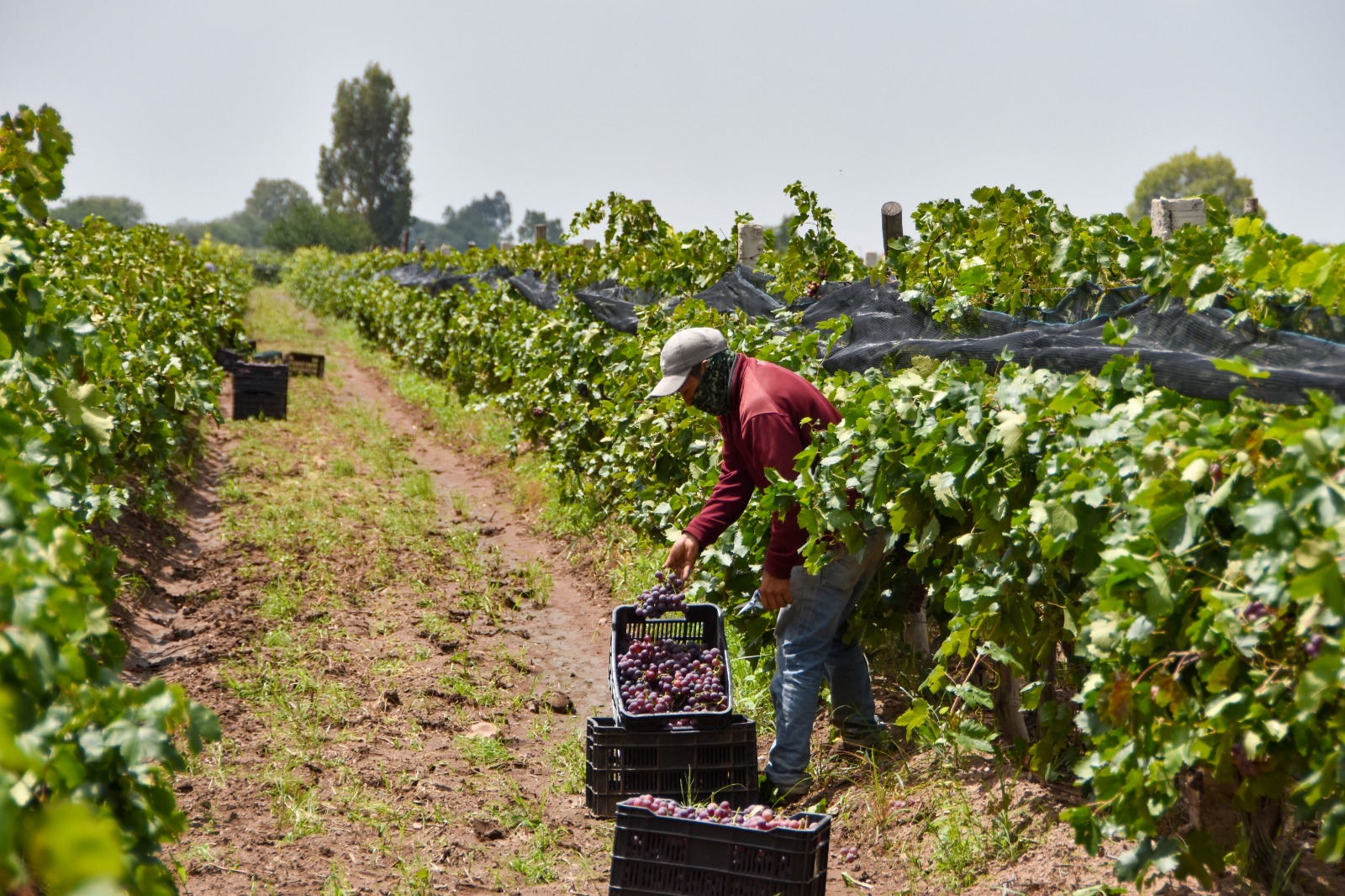
Aguascalientes Ranks Fifth in Grape Production in Mexico, Confirms Viticulture Council
Jul 27, 2026