
US Dollar Price Rises Today, March 3rd, Amid Middle East Crisis
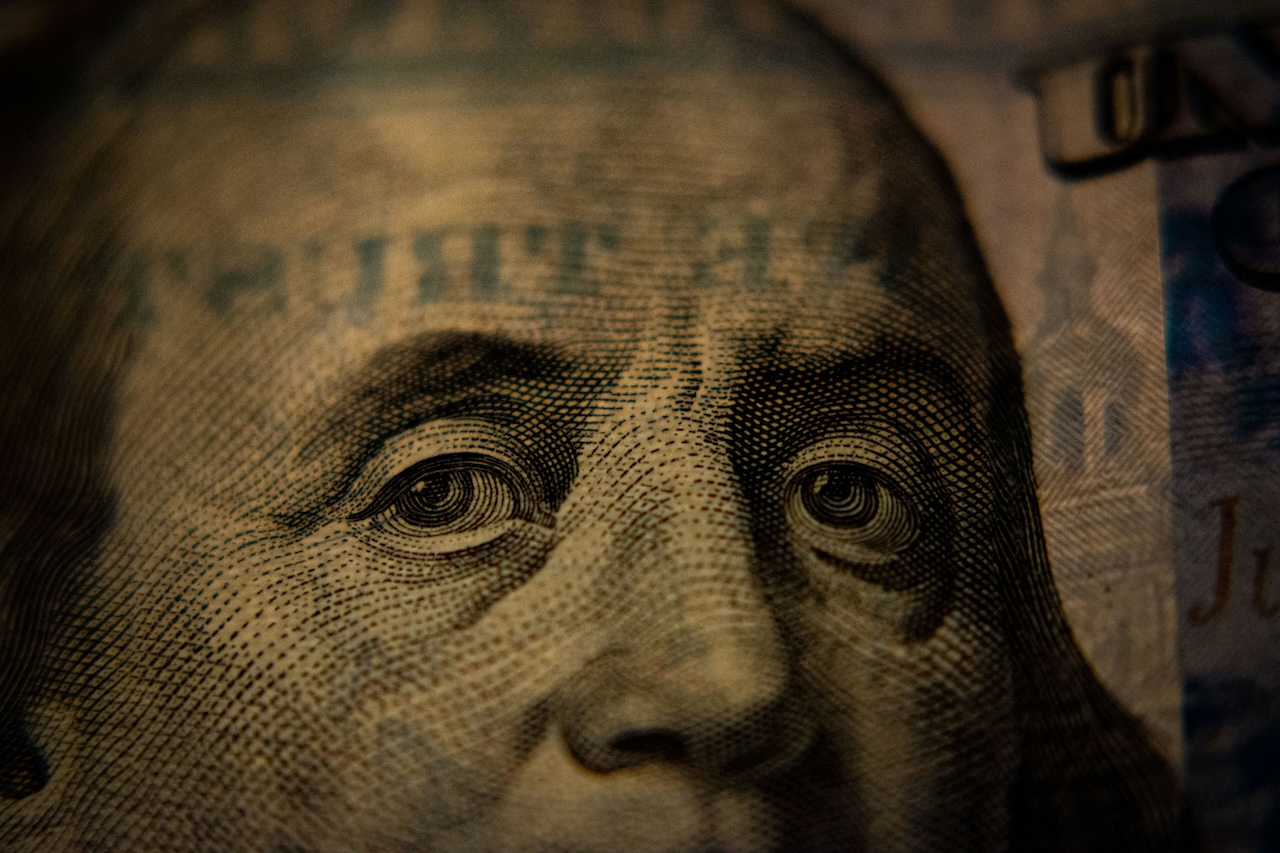
The Mexican peso depreciates as the US dollar strengthens on March 3rd, driven by escalating geopolitical tensions in the Middle East and investors seeking safe-haven assets.
The US dollar’s price on March 3, 2026, once again became a focal point in the Mexican financial market. This follows the Mexican peso’s 0.62% depreciation amidst escalating geopolitical tensions in the Middle East. This development, occurring at the start of March, reflects an international landscape dominated by uncertainty, where
opt to reduce risk exposure and seek refuge in perceived safe-haven assets, such as the U.S. dollar. This scenario directly impacts the current exchange rate in Mexico, which has recorded its third consecutive session of losses.
Geopolitical Escalation Shakes Global Markets
The primary driver of volatility in international financial markets is the intensifying conflict in the Middle East, particularly following recent confrontations between Israel and Iran, alongside the involvement of regional actors like Hezbollah. Throughout the weekend and into the start of the week, new attacks were reported, elevating the perception of systemic risk. In response to this outlook, markets reacted with a pronounced wave of risk aversion, which consequently strengthened the dollar against emerging market currencies, including the Mexican peso.
What is the US Dollar Price Today, March 3rd, in Mexico?
As of Tuesday, the US dollar’s price in Mexico stands at 17.50 pesos per unit, according to Google Finance data (7:06 am, CDMX time). This trend positions the Mexican peso in a more vulnerable state relative to the dollar, though its adjustment has been more tempered compared to other Latin American currencies, such as the Brazilian real or the Chilean peso.
Among the factors that moderated the depreciation are:
- Expectations of macroeconomic stability in Mexico
- A still resilient local market
- Lower direct exposure to the geopolitical conflict Nonetheless, the peso continues to respond to external factors, particularly global dollar movements.
US Dollar Price at Mexican Banks Today, Tuesday, March 3rd
At bank tellers, the US dollar price today, March 3, 2026, shows variations depending on the financial institution:
- Afirme:
- Purchase Rate: 16.40 pesos
- Sale Rate: 17.80 pesos
- Banco Azteca:
- Purchase Rate: 16.80 pesos
- Sale Rate: 17.84 pesos
- Banorte:
- Purchase Rate: 16.00 pesos
- Sale Rate: 17.55 pesos
- BBVA:
- Purchase Rate: 16.16 pesos
- Sale Rate: 17.69 pesos
- Banamex:
- Purchase Rate: 16.68 pesos
- Sale Rate: 17.64 pesos
Why Did the US Dollar Rise Today in Mexico?
The US dollar’s appreciation is attributable not to a single factor but to a confluence of escalating geopolitical and financial risks that have intensified in recent days.
Among the primary reasons are:
- Heightened Middle East tensions, increasing global uncertainty
- International investors seeking safe-haven assets
- Capital flight from emerging markets towards perceived safer economies
- Broad-based strengthening of the dollar against other currencies Historically, in scenarios of armed conflict or heightened geopolitical risk, the U.S. dollar typically solidifies its position as the primary safe-haven currency, diverting capital flows that would ordinarily be directed towards emerging economies.
The Role of Oil in the Dollar’s Strengthening
Furthermore, one of the most significant channels through which the conflict influences the exchange rate is the international price of oil. The Middle East accounts for a critical portion of global crude production; consequently, any threat to its supply immediately drives up prices.
Higher oil prices have direct implications for global inflation, particularly within the United States. Should energy prices exert upward pressure on inflation, the Federal Reserve might elect to postpone or temper interest rate reductions.
Higher rates in the United States imply:
- Increased yields for investors
- Enhanced appeal of dollar-denominated assets
- Further strengthening of the U.S. currency This effect directly translates to the exchange rate in economies such as Mexico.
You might also read:
This article first appeared in Líder Empresarial.
More Articles

Most Important Business News for Tuesday, February 3, 2026
Feb 3, 2026

How Does the Annulment of Trump's Tariffs Impact Mexico?
Feb 20, 2026

Top Business News for Monday, March 2, 2026
Mar 2, 2026

Viva Aerobus Announces New International Flights from Mexico
Mar 2, 2026
What Makes Querétaro the Epicenter of Mexico's Aerospace Industry?
Feb 3, 2026
Aguascalientes Inaugurates New Nixtamalization Laboratory; Aims to Revolutionize the Corn Industry
Feb 20, 2026