
Aguascalientes Improves Income, But Labor Productivity Stagnates
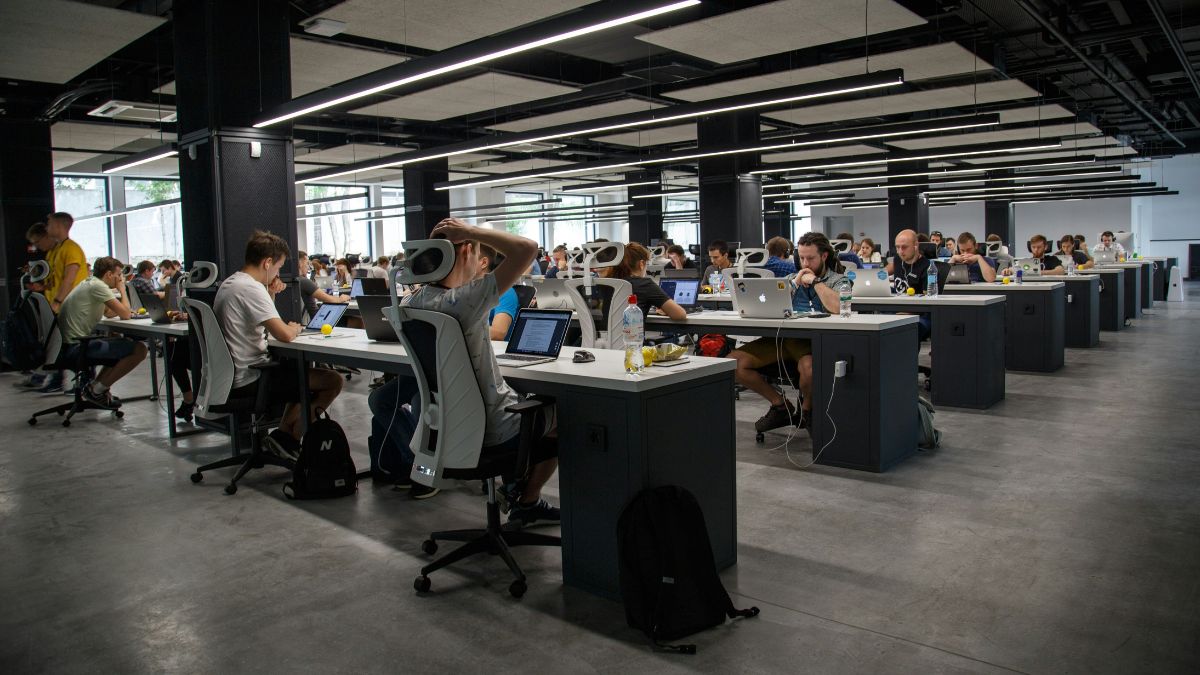
Aguascalientes shows improved income and labor stability according to IMCO's ICE 2025 report, yet faces challenges in boosting labor productivity and participation.
The
, developed by the Mexican Institute for Competitiveness (IMCO)), positioned Aguascalientes 13th nationally within the Labor Market sub-index, with a medium-high competitiveness level. The report analyzes human capital efficiency and formal employment conditions, based on indicators such as labor informality, average income, wage inequality, education, and economic participation.
Increase in Income and Labor Stability
The average income for full-time workers in Aguascalientes reached 11,240 pesos per month, a figure higher than the national average of 10,963 pesos, and an improvement compared to the previous year. This performance places the state in the group of entities with medium-high incomes, alongside Chihuahua, Querétaro, and Jalisco, according to the IMCO report. Labor informality affects 41% of the employed population, representing a lower proportion than the national average of 54%, and placing the entity in seventh place for best performance. The percentage of workers below the welfare line remains at 0.9%, while 30% of the population works more than 48 hours per week, a figure that indicates a considerable but stable workload compared to the national average.
Education and Economic Participation
28% of the adult population in Aguascalientes has technical or higher education, which contributes to sustaining the competitiveness of the state’s labor market. The average schooling level reaches 10.5 years, a figure that exceeds the national average of 9.73 years. The ICE 2025 indicates that entities with higher educational levels register better conditions for attracting investment and generating value-added jobs. Regarding economic participation, 59.3% of the working-age population is active, an indicator that places Aguascalientes in 26th position. Female participation accounts for 41% of the total economically active population, a data point reflecting progress in labor inclusion, although a wage gap of 16.1% persists between men and women.
Labor Market Challenges
The IMCO report indicates that the state’s main challenge lies in increasing productivity and reducing gender gaps. It also emphasizes the need to increase formality and diversify employment into high-innovation sectors, especially those linked to the automotive industry and specialized services. Aguascalientes maintains a competitive position in the national labor market due to its low informality, wage stability, and qualified human capital, although it faces the challenge of increasing total labor participation to consolidate its economic growth. The article
first appeared on Líder Empresarial.
More Articles

Líder Sales Summit 2026: Bringing Your Strategy to Life with Marina Pérez
Aug 19, 2026

$300 Million and a New Plant: Bosch's Investment Details in Nuevo León
Aug 19, 2026

Dollar, Gold, and Oil Prices Mark Opening of Financial Markets Today
Aug 24, 2026

Sectors with the Highest Potential to Attract Investment in Mexico: CCE President
Aug 14, 2026

Nissan Donates Over 50 Engines to Conalep to Train 40,000 Students in Automotive Education
Sep 2, 2026

Strategy Launched to Enable Businesses in San Luis Potosí to Sell on TikTok
Aug 19, 2026