
AI Data Centers Surge in Mexico: How Does It Impact the Supply Chain?
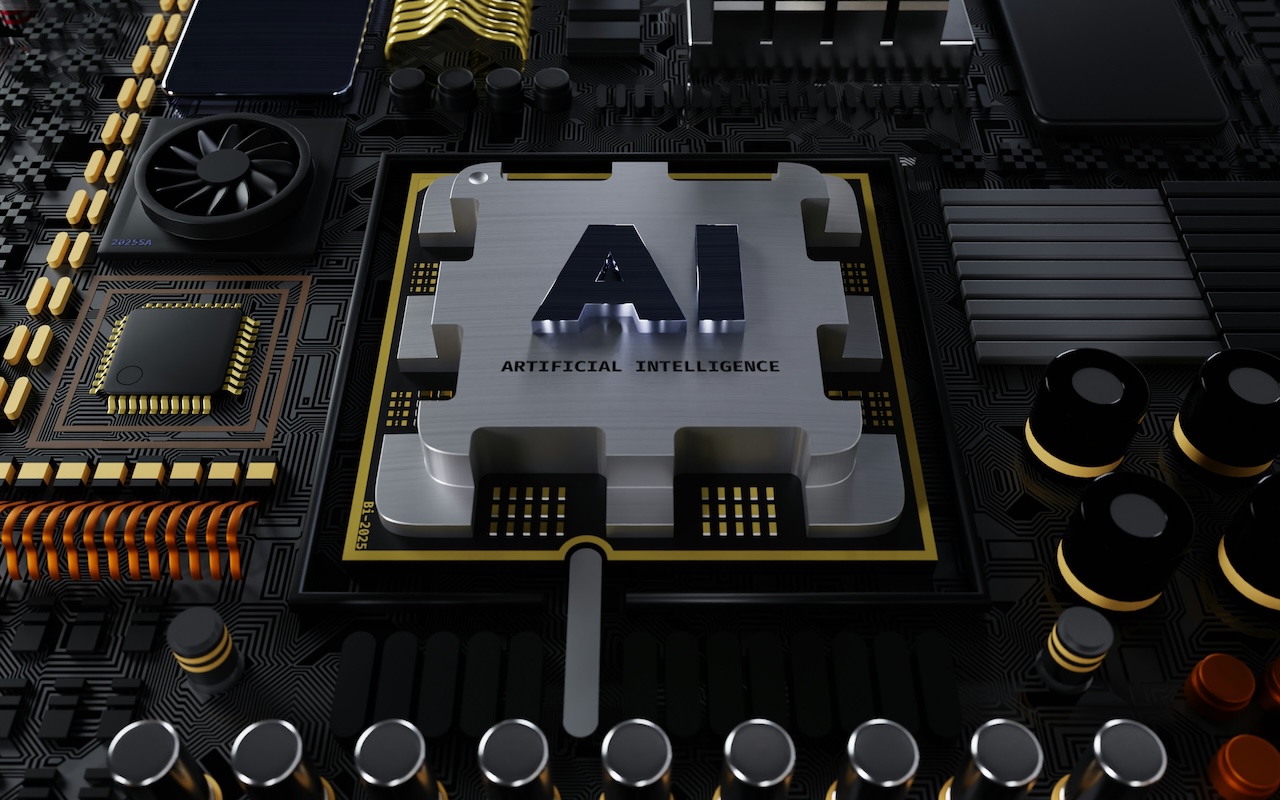
Mexico emerges as AI data center hub, but 83% of experts say supply chains aren't ready. Liquid cooling demands, 7-10% cost increases, and energy challenges test Querétaro's leadership.
Digital transformation is now, and AI in Mexico is here to stay. Furthermore, the country has become one of the most attractive destinations for data center development in Latin America, driven by its connectivity, strategic location adjacent to the United States, and government programs promoting technological infrastructure.
However, the boom in centers specifically designed for artificial intelligence (AI) is also creating new challenges. One of these is the pressure on the supply chain and energy availability. According to Turner & Townsend’s 2025-2026 Data Centre Construction Cost Index, the surge in demand for AI infrastructure will mark a turning point for the Mexican market in 2025.
For years, data centers in Mexico were designed under a traditional model with air cooling, but that is changing. The Turner & Townsend report identifies 2025 as a pivotal year, as developers are migrating towards high-density data centers with liquid cooling systems, specifically designed to support the demanding workloads of artificial intelligence.
This technological transition, though necessary, is neither simple nor inexpensive. While a global inflation of 5.5% is projected for traditional data center construction costs, AI-ready facilities face increases of between 7% and 10%, especially in markets like the United States.
In Mexico, costs remain competitive compared to destinations like Tokyo, Singapore, or Zurich, where building a data center can cost between US$14 and US$15 per watt. However, the country faces a dilemma: how to maintain its economic appeal without neglecting the technological and energy readiness required by new AI data centers.
“Mexico is in a unique position to become a leader in AI data center development. Querétaro’s growth is a clear signal of investor confidence, but success will depend on strengthening supply chains and ensuring reliable access to energy,” stated Lloyd Wallace, Director of Real Estate and Head of Data Centres for Latin America at Turner & Townsend.
Among the states that have most capitalized on this trend, Querétaro stands out, having successfully combined competitive land costs with public policies aimed at ensuring a stable electricity supply. This has transformed it into a development hub for hyperscale operators and colocation providers, attracting technology giants and investment funds specializing in digital infrastructure.
However, success brings new challenges. Liquid cooling systems, essential for AI centers, require sophisticated components and specialized logistics chains. According to Turner & Townsend’s index survey:
- 83% of experts believe that local supply chains are not prepared to support the advanced systems required by AI data centers.
- Energy availability is perceived as the primary challenge for meeting project delivery deadlines.
The Turner & Townsend report not only warns about the pressures but also offers a roadmap for those looking to invest in or develop projects in this sector. Key recommendations include:
- Review procurement models: Traditional schemes may prove insufficient given new technical requirements and shorter delivery times.
- Invest in energy efficiency: Design should prioritize sustainable solutions that reduce electricity consumption and environmental impact.
- Mitigate risks from electrical delays: Developers must anticipate potential bottlenecks in connections to the national grid.
These strategies are crucial to ensure Mexico maintains its competitive position, especially against countries already leading the technological infrastructure sector.
According to the index, the top 10 global markets with the highest construction costs in 2025 are: While Mexico does not feature among the most expensive markets, its challenge lies in maintaining affordability without compromising the quality or energy capacity of its infrastructure.
The surge in AI data centers not only impacts the technology sector but also the entire industrial and energy supply chain of the country. From electronic component manufacturers to construction companies, all links must adapt to the demands of the new digital era.
According to Turner & Townsend, the key factors that will drive sector growth in the coming years include:
- Energy responsiveness: Mexico needs to diversify its energy sources and strengthen its electricity distribution grid.
- Innovation in materials and design: The demand for liquid cooling equipment and modular systems will compel suppliers to innovate.
- Specialized human capital: The development of advanced data centers will require engineers, technicians, and operators trained in AI and automation technologies.
- Sustainability as a priority: Projects must align with global carbon neutrality and energy efficiency objectives.
In this context, public and private investments in digital infrastructure will be crucial. Federal programs for expanding fiber optic networks and electrical modernization could even serve as a key catalyst for the country’s competitiveness over the next five years.
More Articles
The New Bajío Investment Landscape: Is Querétaro Still Competing?
Jul 9, 2026

Brazil Tariffs: Mexico's New Gateway to the United States?
Jul 16, 2026

DIVEX B2B 2026: León to Host Business Gathering Featuring Over 600 Scheduled Meetings
Jul 29, 2026

Where is the Capital to Grow a Business Today?
Jul 2, 2026
Mexico's Productivity Surges, Outpacing OECD Average According to New Report
Jul 7, 2026

Banxico Mandates Banks to Streamline Mobile Transfers
Jul 15, 2026