
Benefits of USMCA in Jalisco: The State's Winners
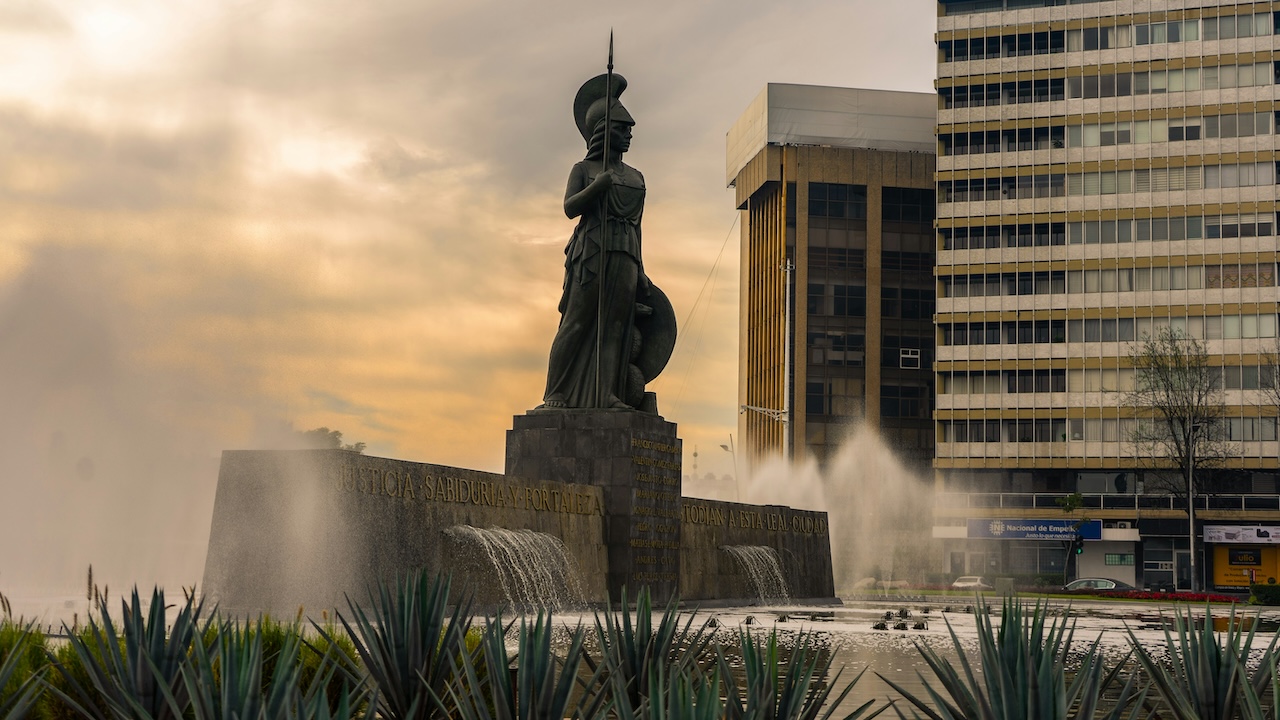
Jalisco has emerged as a major beneficiary of the USMCA, boosting exports, attracting foreign investment, and improving labor standards, making it a key player in North American trade.
Since the entry into force of the United States-Mexico-Canada Agreement (USMCA), Jalisco has strengthened its presence in international trade and redefined its role within the national economy. The agreement has served as a catalyst to enhance the state’s competitive advantages: qualified human capital, social stability, productive infrastructure, and an increasingly sophisticated business ecosystem. As a result, the entity has recorded increased investment, historical export figures, and a labor market that is progressing towards higher-quality jobs, especially for new generations. Currently,
it positions itself as one of the major winners of the USMCA, with visible impacts on strategic sectors, global supply chains, and public policies aimed at long-term competitiveness.
Jalisco and USMCA: A Platform to Compete in the Global Economy
The USMCA entered into force on June 19, 2019, marking a new stage for North American economic integration. For Jalisco, the agreement presented an opportunity to accelerate an already ongoing strategy: to consolidate itself as an export, technological, and industrial hub outside the border region.
Since then, the entity has shown performance that significantly exceeds the national average. By the end of the third quarter of 2025, Jalisco reported an annual growth of 89.1% in exports, reaching revenues of 13,839.7 million dollars. This figure not only represents a historical high but also positions the state as the country’s main non-border exporter and Mexico’s fifth-largest exporting economy.
Meanwhile, the national average advanced by only 9.2% in the same period. This difference reflects an economic policy focused on generating certainty, attracting foreign direct investment (FDI), and strengthening its industrial base with a long-term vision.
Exports and Foreign Investment: Jalisco’s Economic Muscle
Data from the National Institute of Statistics and Geography (INEGI) confirm that Jalisco’s dynamism is neither an isolated nor a circumstantial phenomenon. Between January and September 2025, the state accumulated exports totaling 32,546.4 million dollars, representing an annual growth of 52.3%, compared to a modest 6.1% at the national level. This performance has been driven by several key factors:
- Sectoral diversification, with strengths in agribusiness, electronics, high technology, advanced manufacturing, and fashion.
- Integration into North American value chains, favored by the rules and certainty of the USMCA.
- Attraction of foreign direct investment, especially in strategic sectors linked to nearshoring.
The nearshoring phenomenon, bolstered by the USMCA, has led global companies to relocate operations closer to their main markets. Jalisco has become one of the most attractive destinations in the country thanks to its logistics infrastructure, availability of specialized talent, and strategic location in western Mexico.
This context has resulted in the creation of new industrial parks and high-impact investment announcements, such as the installation of the world’s largest plant for manufacturing “superchips” and the arrival of the Chinese automotive manufacturer Foton, which reinforce the state’s industrial and technological profile.
Quality Employment and Labor Transformation Driven by USMCA
Beyond macroeconomic figures, one of the most significant benefits of the USMCA in Jalisco is observed in the labor sphere. The agreement accelerated reforms and processes that have directly impacted workers’ conditions, aligning the state with international standards. Among the most notable advancements are:
- Increase in the minimum wage, with positive effects on purchasing power.
- Promotion of labor inclusion, fostering greater equity in the job market.
- New labor justice system, based on conciliation and agile conflict resolution.
- Union transformation, where freedom of association and internal democracy prevail.
- Stricter labor inspection protocols, in which Jalisco has become a national benchmark.
USMCA Winning Sectors in Jalisco
The treaty’s impact has not been homogeneous, but it has been strategic. Some sectors have consolidated as the primary beneficiaries of the new commercial environment:
-
Agribusiness Jalisco’s agribusiness sector has found in the USMCA a platform to expand markets and sophisticated processes. Among the key proposals for the treaty’s review, the mutual recognition of certifications between Senasica and its counterparts in the United States (USDA) and Canada (CFIA) stands out, which would facilitate the trade of food and beverages, reducing costs and times.
-
Electronics and High Technology Jalisco, known as the “Mexican Silicon Valley,” has been particularly sensitive to rules of origin. In this sector, specialists have expressed their rejection of changes that could affect the competitiveness of the production chain, emphasizing the importance of maintaining conditions that favor innovation and global integration.
-
Furniture Industry For this sector, the creation of a “USMCA Responsible Production Seal” was proposed, which would allow differentiating products with environmental, labor, and quality standards aligned with the trade agreement.
-
Fashion: Footwear, Textile, and Jewelry The fashion sector agreed on the need to maintain Chapter 6 of the USMCA unchanged, which establishes rules of origin and specific provisions for textiles and apparel, considered key for regional competitiveness.
Technical Consultation and Future Vision Ahead of USMCA Review
In anticipation of the treaty’s upcoming review, Jalisco has adopted a proactive stance. The Secretariat of Economic Development (Sedeco), in coordination with the Council of Industrial Chambers of Jalisco (CCIJ), six academic institutions, and over 60 researchers, concluded a technical consultation that resulted in a robust and multisectoral document.
The exercise integrated over 230 proposals aimed at strengthening the state’s competitiveness within the USMCA framework. According to Cindy Blanco, head of Sedeco, the analysis was structured through four sectoral groups—agribusiness; electronics and high technology; furniture; and fashion—in addition to a cross-cutting axis focused on labor, regulatory, and customs issues.
“Government, private initiative, and universities participated. With this, we integrated a document that looks out for all key economic sectors of our state,” emphasized the official. One of the central objectives is to defend and enhance the fact that 86% of Jalisco’s exports are destined for the United States and Canada, ensuring that this flow not only is maintained but continues to grow.
Customs Modernization and Clear Rules: Keys to Competitiveness
Within the cross-cutting axis, the proposals aim to resolve structural bottlenecks that directly impact export competitiveness. Among these, the following stand out:
- Modernization of customs operations through single windows.
- Interoperability of systems among the three countries.
- Anticipated publication of new regulations and minimum public consultation periods.
- Progress towards mutual recognition of certifications in North America.
These measures seek to reduce regulatory uncertainty, streamline trade, and strengthen regional integration in an increasingly competitive global context.
You might also like to read:
This entry
More Articles

Beer and Snacks Emerge as Winners of Mexico's Consumption "World Cup"
Jul 10, 2026

Mexico's Productivity Surges, Outpacing OECD Average According to New Report
Jul 7, 2026

Financial Markets Today: Oil Rises and Mexican Peso Faces Pressure Due to USMCA
Jul 20, 2026
The New Bajío Investment Landscape: Is Querétaro Still Competing?
Jul 9, 2026
How Jalisco is Preparing its Industrial Parks for the USMCA Review
Jul 20, 2026
Asian Imports to Mexico Decline in 2026: Economic Impact on National Economy?
Jul 22, 2026