
Center for Family Businesses: Strengthening the Family Legacy Through Strategy

UDEM's Center for Family Businesses emphasizes strategic planning with long-term vision, open communication, generational integration, and family protocols for business continuity.
The close of the year represents a crucial moment for entrepreneurial families to review their strategy and align their future goals. According to Karin Zambrano, a consultant at the Center for Family Businesses at the University of Monterrey (UDEM), this period allows for defining the long-term direction that will guide the organization.
One of the primary strengths of family businesses is their long-term vision. Unlike publicly traded companies, which often focus on immediate results, family-structured enterprises typically prioritize the continuity and transcendence of their legacy.
“When a purpose beyond financial gain is identified, family unity and commitment to the business are strengthened,” Zambrano noted.
According to the consultant, the success of a family business also hinges on its capacity to maintain open and transparent communication among its members. Furthermore, equitable representation and constant intergenerational coexistence are instrumental in consolidating the internal structure.
Creating dialogue spaces where generational differences do not become obstacles allows for fairer and more consensual decision-making. In this regard, she recommends establishing governance bodies with rotating representation, ensuring that all family branches have a voice.
Another key element is the family protocol, a moral agreement that helps define the common rules, responsibilities, and values of the business. This instrument also aids in preventing conflicts and promotes transparency during periods of generational transition.
Moreover, the early involvement of the NextGen is essential to ensure harmonious succession. Engaging younger generations strengthens their commitment, sense of identity, and connection to the family business.
Finally, the consultant emphasizes that it is never too late to plan. Although the process demands time, resources, and a willingness to engage in dialogue, it represents a long-term investment. “It is worthwhile because it helps the company endure and maintain its family and business legacy,” she concluded.
More Articles

Automotive Supplier 2026: Monterrey to Convene Automotive Industry Leaders
Apr 20, 2026
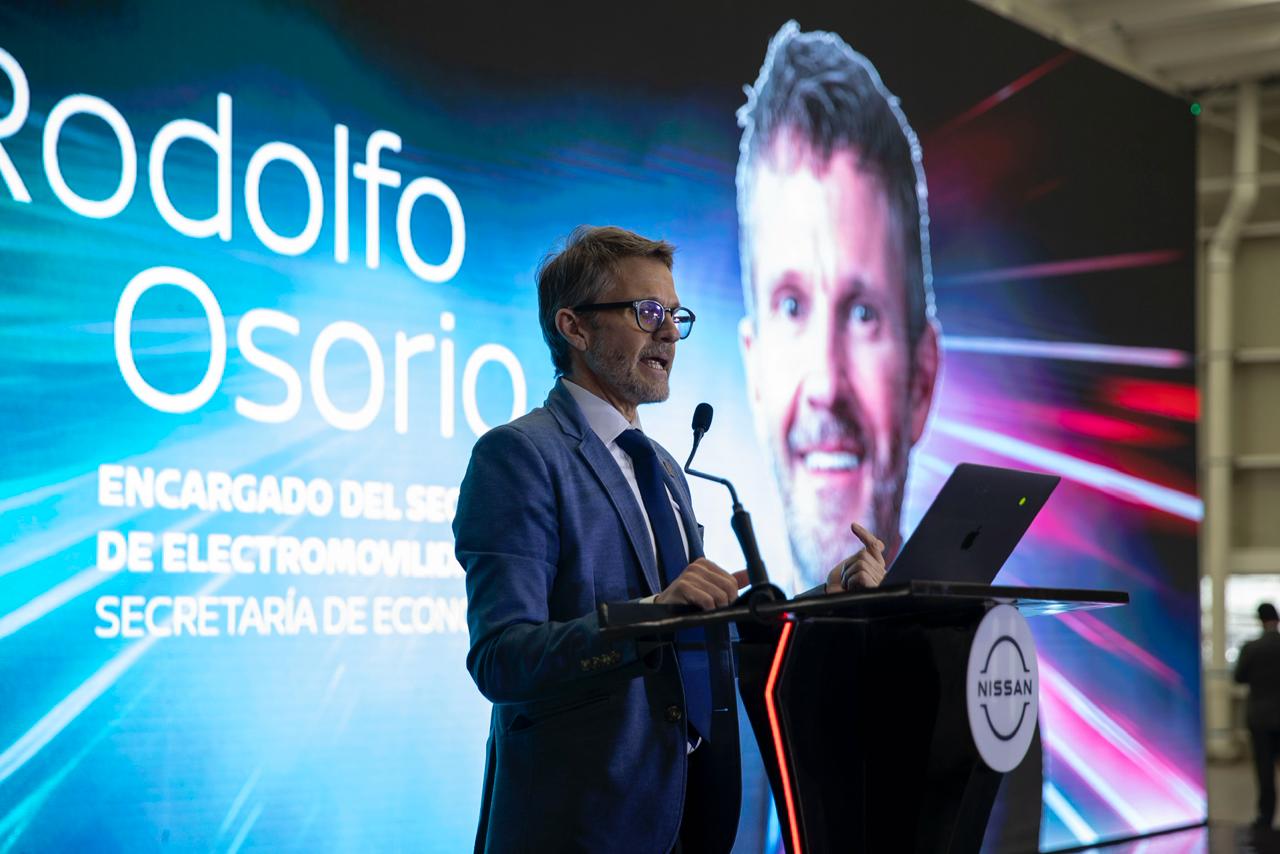
Aguascalientes, One of LATAM's Most Important Automotive Hubs: Federal Ministry of Economy
Apr 16, 2026

The USMCA in Retrospect: -Part 1- Analysis of Five Years of Trade and Expectations for 2026
Apr 16, 2026

Weekend Snapshot: Critical Updates for the Business Sector
Mar 30, 2026

Which Mexican Company Produces Steel with the Lowest Emissions in North America?
Mar 26, 2026

The Cost of Global Conflict for Mexico: High Energy Prices, Inflation, and Business Pressure
Mar 30, 2026