
Cheap Dollar Squeezes Exporters: Aguascalientes Sells Nearly $10 Billion Abroad, US Concentrates 83%
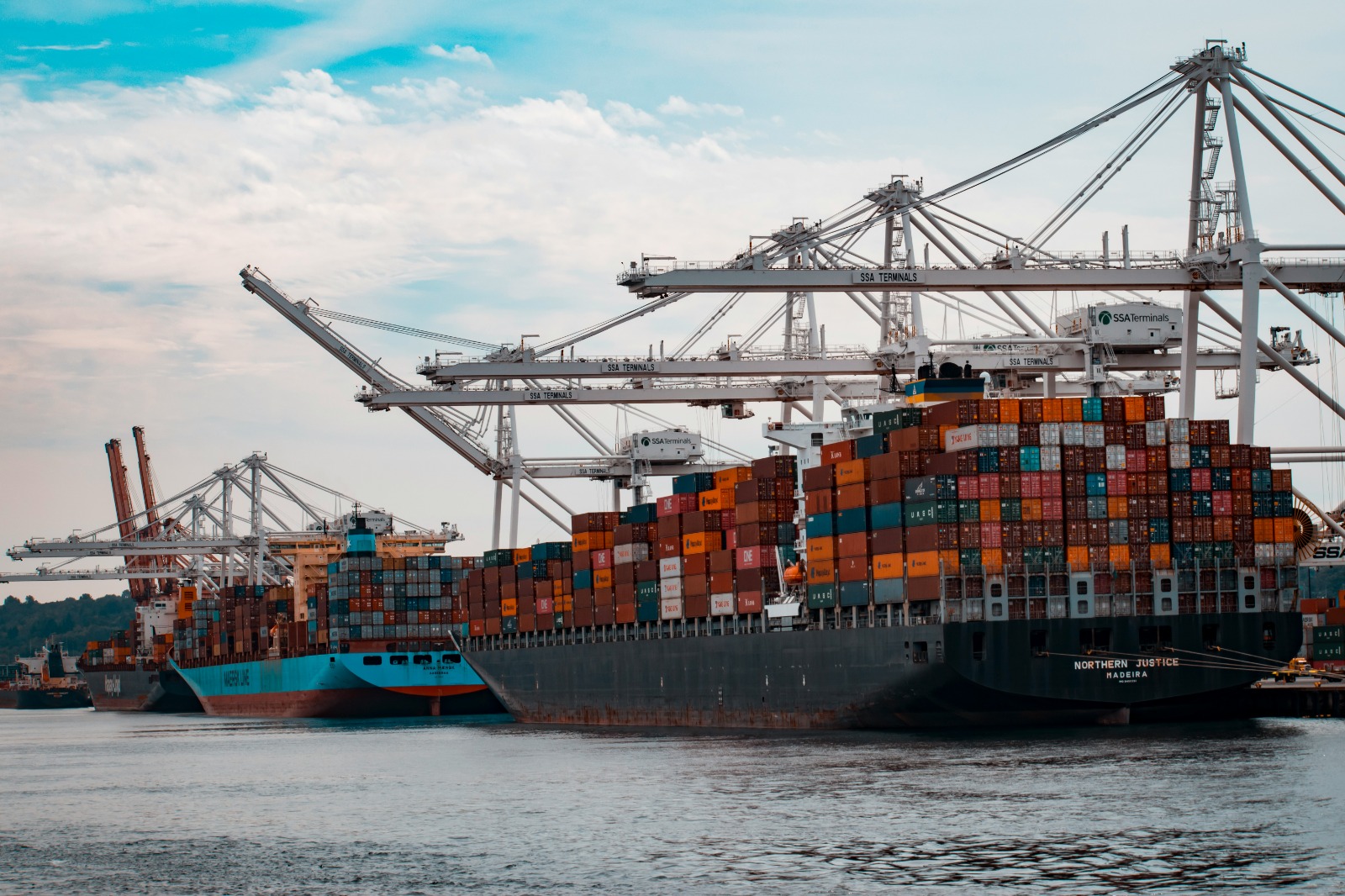
A strong peso and 'cheap dollar' are squeezing Aguascalientes' exporters, despite nearly $10B in exports, 83% of which go to the US.
With an exchange rate that has recently hovered around 17.30 pesos per dollar, the so-called “cheap dollar” is once again exerting pressure on the most export-oriented states. In Aguascalientes’ case, the latest available data (INEGI, as of Q3 2025) indicates that the state exported 9,939.253 million dollars between January and September, showing a high reliance on the U.S. market.
How Much Does Aguascalientes Export, and How Does It Compare to 2024?
According to the Q3-2025 report, Aguascalientes accumulated 9,939.253 million dollars in exports. The quarterly breakdown for the state is as follows: -First quarter of 2025: 3,252.327 million USD -Second quarter of 2025: 3,212.701 million USD -Third quarter of 2025: 3,474.315 million USD (the highest quarter of the year) In comparison, during the same period in 2024 (January-September), 10,697.698 million dollars were recorded. This means Aguascalientes exported 758.445 million dollars less, representing an approximate year-over-year decline of 7.1%.
Destinations: United States Dominates Exports
The state’s export structure is heavily concentrated in the United States, which receives 83.3% of Aguascalientes’ total shipments. Far behind are: -Germany: 2.79% (approximately 112 million USD) -United Kingdom (England): 1.84% -China: 1.69% -Brazil: 1.55% This high concentration means that any fluctuation in the exchange rate against the dollar directly impacts the majority of the state’s exporting companies.
What Does Aguascalientes Export?
The majority of exports originate from the manufacturing of transport equipment, primarily auto parts, followed by the electronic, agro-industrial, and textile and apparel sectors, in addition to agricultural and livestock activities, according to information from the state government.
For the United States, the main products shipped are: -Parts and accessories for motor vehicles (38.3%) -Apparatus for filtering or purifying liquids or gases (9.92%) -Electric wires and cables (3.95%) Towards Germany and the United Kingdom, instruments and apparatus for measuring or controlling flow, pressure, level, and other variables of liquids or gases predominate, while in China, a significant portion corresponds to integrated electronic circuits, although industrial measuring instruments also stand out. In Brazil, nearly half of the shipments are parts and accessories for motor vehicles.
Impact of the Cheap Dollar: Pressure for Exporters, Relief for Importers
Financial specialists agree that the appreciation of the peso against the dollar has an uneven effect.
Financial analyst Jaime Álvarez, Vice President of Investments at Skandia, stated in an interview for Milenio that a lower exchange rate reduces the peso-denominated revenues of exporting companies, squeezing their margins, especially in industries with high local costs. This can diminish Mexico’s competitiveness against other countries vying for nearshoring investments.
Meanwhile, academics from the Universidad Panamericana Aguascalientes campus, Professor María Guadalupe Romo Calvillo and Professor Fernando Covarrubias Tejada, have explained that the economic impact is mixed: -Exports are negatively affected because companies receive fewer pesos for each dollar sold, impacting sectors such as automotive, agro-industrial, and electronic industries. -Imports become cheaper, benefiting companies that purchase foreign inputs and end consumers. -Remittances lose purchasing power in pesos, as families receive less money when converting dollars, which could reduce the incentive for migrants to send funds.
Aguascalientes maintains a highly export-oriented profile, with a significant reliance on the U.S. market and a strong presence of the automotive and manufacturing sectors. However, with the dollar around 17.33 pesos, the environment becomes more challenging for those selling abroad, while simultaneously favoring importers and consumers.
This entry
first appeared in Líder Empresarial.
More Articles
Capgemini to Open Second Global Delivery Center in Mexico; Facility to be Located in Bajío Region
Jul 16, 2026

Will Artificial Intelligence Be Regulated in Mexico? Initiatives Under Consideration
Jul 20, 2026

Farmacias Similares and Stori Launch Card to Include Millions
Jul 13, 2026

Will Tenneco Make a New Investment in Aguascalientes? What is Known
Jul 24, 2026
Top Workplaces in Mexico's Construction Sector for 2026: GPTW Rankings
Jul 24, 2026
Automotive Parts Industry Proposes Strategic Agenda to Strengthen USMCA and Automotive Competitiveness
Jul 2, 2026