
Middle East Conflict Hits Financial Markets Today: Oil, Equities, and Dollar React
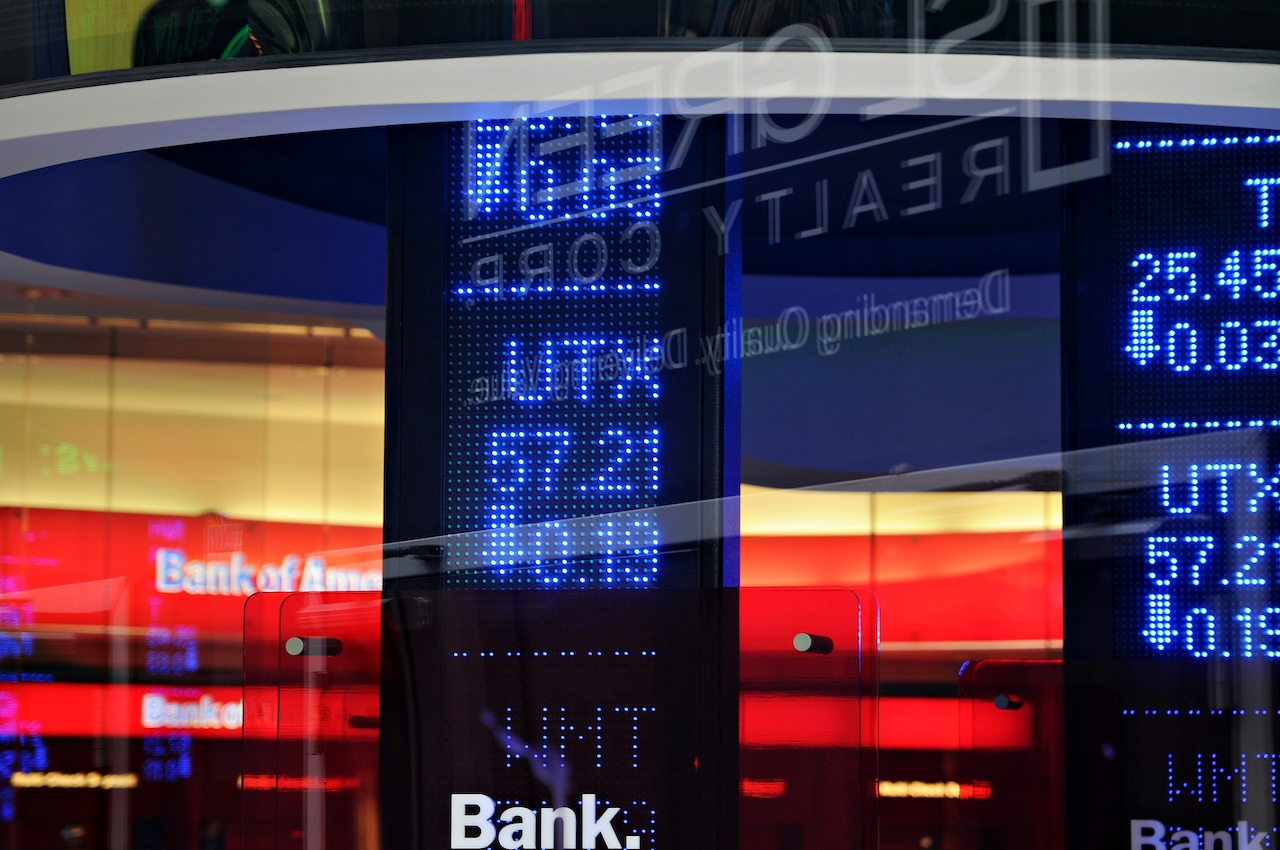
Escalating geopolitical tensions in the Middle East drive up oil prices, trigger global stock market declines, and pressure the dollar.
The escalating geopolitical tension in the Middle East once again shook financial markets today, March 9, 2026. The intensification of the conflict among the United States, Iran, and Israel triggered a sharp surge in oil prices and led to widespread declines in major stock exchanges across Asia and Europe, while Wall Street futures also pointed to losses. Investors reacted with caution to the attacks reported over the weekend, which targeted energy and civilian infrastructure in the Persian Gulf. The escalation heightened global concerns over energy supply, especially after the closure of the strategic Strait of Hormuz, one of the most vital routes for global trade in
Consequently, financial markets began the week with high volatility: oil reached multi-decade highs, Asian stock exchanges experienced significant setbacks, and the dollar maintained pressure on emerging currencies, including the Mexican peso.
Asian Equities Plunge Following Middle East Escalation
Asian stock markets were the first to react to the heightened tensions. The energy dependence of many Asian economies on oil and gas from the Persian Gulf amplified the impact.
Japan’s benchmark index, the Nikkei 225, registered one of its sharpest declines in recent months. The index lost more than 5% during the trading day and ultimately closed with a 5.2% drop, settling at 52,728.72 points.
Other stock markets in the region followed a similar trend: -South Korea’s Kospi plummeted 6%, to 5,251.87 points. -Taiwan’s benchmark index dropped 4.4%. -Hong Kong’s Hang Seng retreated 1.6%, to 25,343.77 points. -The Shanghai Composite lost 0.7%, closing at 4,097.69 units.
In comparison, Chinese markets showed a more moderate reaction due to their lower direct exposure to energy flows from the Gulf, though they also reflected investor caution.
Nervousness quickly spread to other global markets, anticipating a challenging trading day for Western stock exchanges.
Europe Opens with Losses as Wall Street Anticipates Declines
Following negative closures in Asia, European markets began the day with significant declines, reflecting concerns about the potential impact of the conflict on global economic growth and energy costs.
Among the continent’s main indicators, the following declines were recorded: -Germany’s DAX retreated 2.6%, to 22,983.67 points. -France’s CAC 40 fell 2.7%, settling at 7,779.46 units. -The UK’s FTSE 100 lost 1.9%, to 10,089.05 points.
An atypical case was Norway, whose stock market recorded a slight gain of 0.1%, benefiting from its status as an oil and gas exporter.
Meanwhile, in the United States, futures contracts also reflected a challenging day for investors: -S&P 500 futures fell by over 1%. -Nasdaq Composite futures registered similar losses. -The Dow Jones Industrial Average also showed declines exceeding 1%.
On Sunday night, these same indicators had fallen by more than 2%, reflecting the nervousness generated by the military escalation.
Oil Reaches Levels Not Seen in Over a Decade
The most immediate impact of the conflict was reflected in oil prices, which registered a strong rebound during the early hours of Monday. At 03:00 Mexico City time, a barrel of Brent crude was trading at 106.61 dollars, while West Texas Intermediate (the U.S. benchmark) reached 103.20 dollars. Both contracts were approximately 15% above Friday’s close.
Later, around 06:00 GMT, prices continued to rise: -Brent: 103.54 dollars per barrel -WTI: 107.35 dollars per barrel
At some points during the day, international prices exceeded 118 dollars per barrel, reaching levels not seen in at least 14 years. The increase is largely explained by the closure of the Strait of Hormuz, a key maritime passage through which nearly 20% of the world’s commercially traded oil flows.
Exchange Rate: How the Dollar Opens in Mexico Today, March 9
The increase in international uncertainty was also reflected in the dollar’s performance against other currencies. According to information from the Bank of Mexico (Banxico), the exchange rate opened this Monday, March 9, 2026, at 17.80 pesos per dollar.
The institution explained that the official exchange rate is calculated using an average of wholesale foreign exchange market quotes for operations settlable on the second subsequent banking business day. This value is derived from data collected on electronic trading platforms and other representative market mechanisms.
At financial institutions and international transfer companies, the dollar price shows slight variations: -Citibanamex -Buy: 17.24 pesos -Sell: 18.26 pesos -Banco Azteca (Elektra) -Buy: 16.00 pesos -Sell: 18.39 pesos -Western Union -Average: 17.44 pesos
Attacks on Energy Infrastructure Escalate Global Tensions
Financial volatility was triggered after new attacks were reported over the weekend between the parties involved in the conflict. According to international reports, Bahrain accused Iran of attacking a key desalination plant for potable water supply in the Gulf. Meanwhile, Israel bombed oil depots in Tehran, generating a large plume of smoke and activating environmental alerts.
These attacks add to a series of military operations that have intensified the war in the region, which is now entering its second week.
The markets’ central fear is that the conflict will spread to strategic areas for hydrocarbon production or transport, which could trigger a global energy shock.
You can also read:
The entry
first appeared in Líder Empresarial.
More Articles

Querétaro's Automotive Industry Concentrated Exports in 2025
Feb 20, 2026

40-Hour Labor Reform: Are Two Mandatory Weekly Rest Days Expected?
Feb 14, 2026

Looking to Sell More? Marca Guanajuato's Plan for 2026
Mar 6, 2026

Banorte Projects Economic Growth of Up to 3% for Aguascalientes by 2026
Feb 18, 2026

Dollar and Oil Prices Surge Due to Middle East Conflict: How it Impacts Jalisco
Mar 9, 2026

Artificial Intelligence "Is Here to Stay" and Opens Historical Opportunity for Aguascalientes: Capgemini
Feb 19, 2026