
US and Iran Reach Agreement: Impact on Oil and Financial Markets
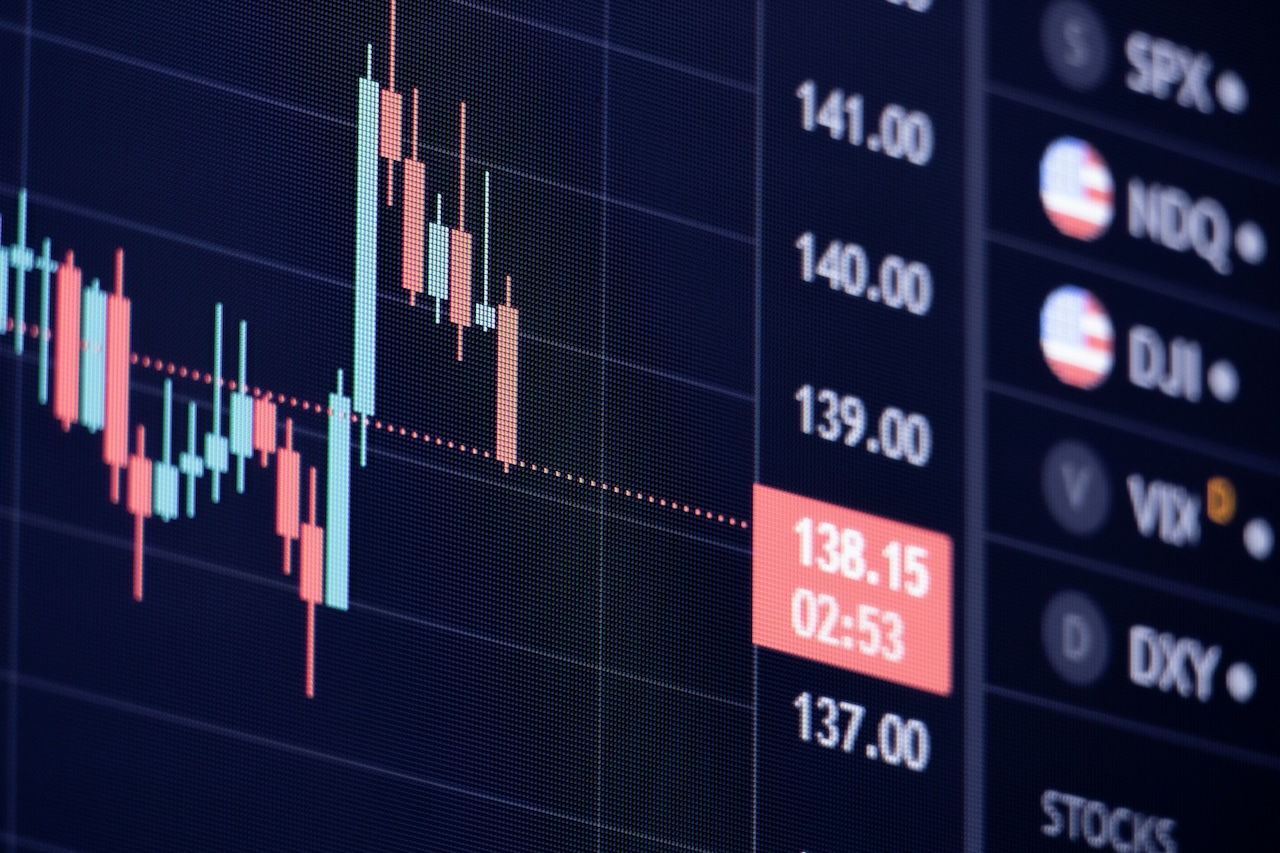
Financial markets react to diplomatic progress between the US and Iran, influencing oil prices and global equities.
Financial markets began the week on Monday, June 22, 2026, with a tone of cautious optimism, primarily driven by progress in diplomatic talks between Iran and the United States held in Switzerland. This reduced risk aversion and moderated the behavior of key assets such as oil, currencies, and international stock exchanges. In an environment where investors closely monitor the geopolitical balance in the Middle East, global markets showed a mix of moderate gains, profit-taking, and technical adjustments, while futures
and European stock markets traded with marginal variations.
Iran-US Rapprochement Boosts Financial Market Sentiment
The central catalyst of the day was the progress in negotiations between Iran and the United States, which took a significant step forward by agreeing to establish communication lines to keep the Strait of Hormuz open and seek de-escalation of the conflict in Lebanon. According to mediators from Pakistan and Qatar, the meeting in Switzerland was described as “positive and constructive,” marking the first formal engagement since the start of the war in the Middle East. Key agreements include:
- Establishment of a permanent communication channel to prevent incidents in the Strait of Hormuz, a strategic route for global oil.
- Creation of a 60-day roadmap for a potential final agreement.
- Formation of a crisis management cell for Lebanon, aiming to contain the escalation between Israel and Hezbollah.
- Potential economic measures, including partial lifting of sanctions and release of frozen assets, according to Iranian Foreign Minister Abbas Araghchi. The immediate impact was a reduction in the perception of geopolitical risk, leading to price adjustments in energy commodities and a more stable tone in equity markets.
Oil and Currencies React: Crude Oil Declines and Dollar Shows Slight Weakness
One of the most significant movements of the day occurred in the energy market. Oil prices retreated following the diplomatic advances, as fears of a disruption in the Strait of Hormuz partially dissipated. Adjustments were as follows:
- WTI fell 0.5%, settling at $75.47 per barrel.
- Brent declined 1.5%, reaching $79.38 per barrel. In parallel, the foreign exchange market also reflected a period of relative calm. The dollar started the session with a slight depreciation against the Mexican peso, maintaining a trend of stability:
- Exchange Rate: 17.33 pesos per dollar (05:04 CDMX)
- Variation: -0.11% compared to the previous session (17.35)
- The Mexican peso remains below the 17.40 pesos mark, considered a recent strength level. At domestic banks, the exchange rate showed differentiated ranges:
- Afirme: 16.30 buy | 17.90 sell
- Banco Azteca: 16.70 buy | 17.94 sell
- BBVA: 16.59 buy | 17.72 sell
- Banorte: 16.20 buy | 17.80 sell
- Banamex: 16.93 buy | 17.90 sell
- Scotiabank: 16.90 buy | 18.00 sell
Global Financial Markets: Asia Leads with Historic Highs and Europe Opens Cautiously
Asian stock markets were the main protagonists at the start of the week, boosted by optimism surrounding international negotiations and the strength of the technology sector:
- Japan’s Nikkei rose 1.55% to 72,353.96 points, reaching a new all-time high.
- Topix advanced 1.24%.
- In South Korea, the Kospi rose 0.69%, also reaching a historic record.
- SK Hynix surpassed Samsung Electronics in market capitalization for the first time in two decades. In mainland China:
- Shanghai: +1.78%
- Shenzhen: +2.13% However, Hong Kong diverged with losses:
- Hang Seng: -0.65%
- Hang Seng China Enterprises: -0.77% The rest of Asia showed mixed performance, with India in positive territory and Southeast Asia divided between gains and losses.
Europe Opens Without Clear Direction and US Markets Trade Negatively
In Europe, the opening was moderate, reflecting a wait-and-see approach pending diplomatic developments and crude oil performance:
- STOXX 600: +0.05% to 635.92 points
- Technology sector: +1.2%
- EasyJet: +2.3% after acquisition offer
- Babcock: -3.3% due to profit decline In the United Kingdom, politics also influenced markets following the announcement of Prime Minister Keir Starmer’s resignation, which generated movements in currencies and bonds. Meanwhile, US futures reflected caution:
- S&P 500: -0.1%
- Nasdaq 100: slight downward pressure
- Dow Jones: no significant changes
Global Outlook: Between Fragile Stability, Geopolitics, and Monetary Expectations
The overall performance of financial markets on Monday reflects a delicate balance between diplomatic optimism and structural caution. Although the progress between Iran and the United States has reduced immediate tension, investors remain reserved due to the possibility of new obstacles in the negotiation process. Key factors continuing to influence market sentiment include:
- Persistence of tensions in the Middle East despite the 60-day roadmap.
- Expectations regarding Iran’s nuclear program, which still lacks a definitive resolution.
- Restrictive monetary policy in the United States, which continues to exert pressure on bonds and currencies.
- Movements in commodities, especially oil, sensitive to any geopolitical escalation. The euro, British pound, and yen also showed fluctuations, while sovereign bonds react to expectations of interest rate adjustments in various advanced economies.
You may also read:
The entry
first appeared on Líder Empresarial.
More Articles
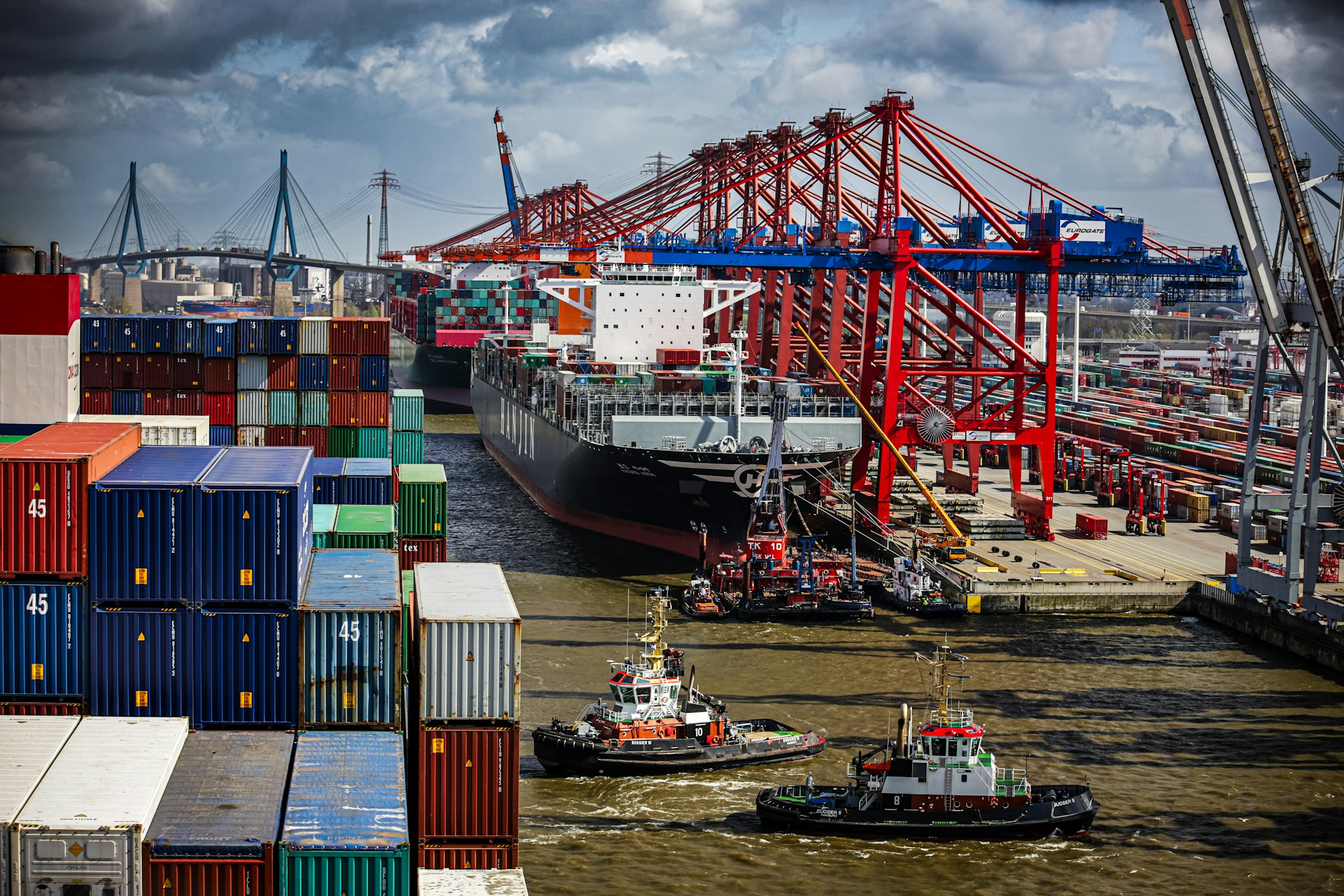
Asian Imports to Mexico Decline in 2026: Economic Impact on National Economy?
Jul 22, 2026
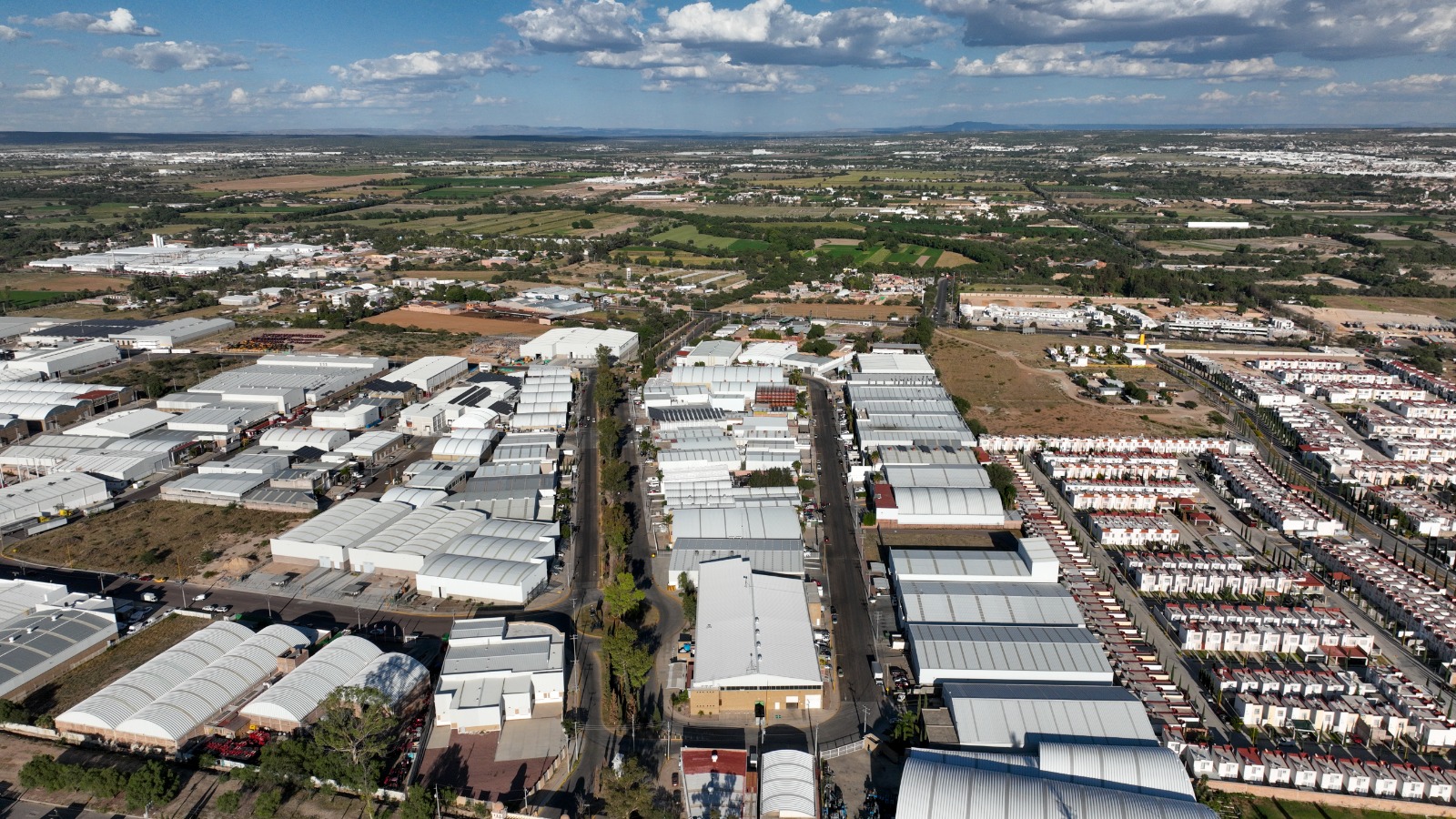
Aguascalientes Sees 211% Surge in Foreign Direct Investment for Q1 2026
Jul 14, 2026

Life Satisfaction in Nuevo León: Economic Factors and Mental Health Challenges
Jul 16, 2026

Mexico-US Trade Deficit Reaches $197 Billion: Is Trump Preparing New Tariffs?
Jul 16, 2026

98.4% of Employers and Entrepreneurs Would Rehire UAA Graduates, According to Study
Jul 29, 2026

Banxico Mandates Banks to Streamline Mobile Transfers
Jul 15, 2026