
Mexico-US Trade Deficit Reaches $197 Billion: Is Trump Preparing New Tariffs?
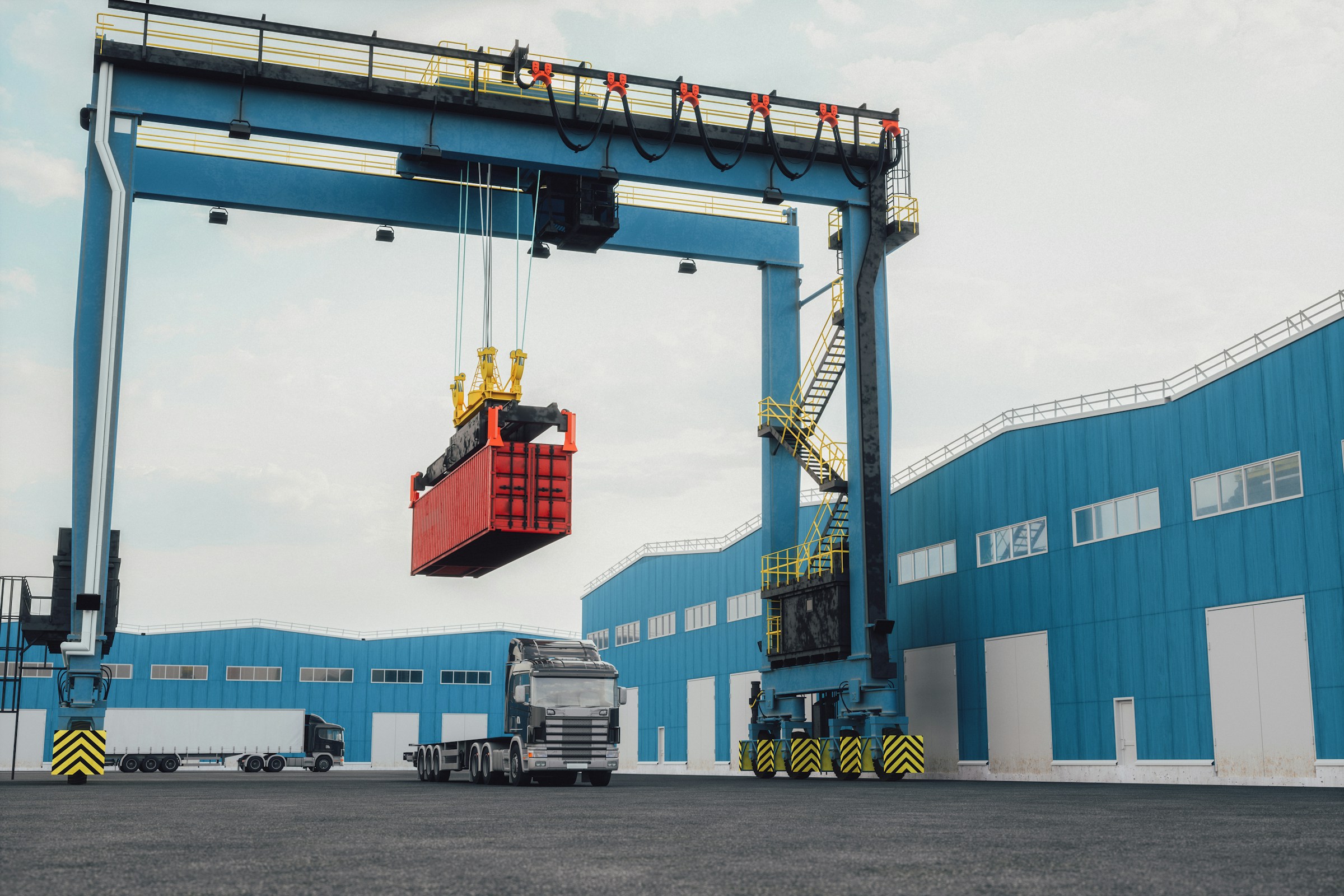
The significant Mexico-US trade deficit is under scrutiny, with the US considering new tariffs and stricter rules amid ongoing economic ties.
The Mexico-US trade deficit reached $197.033 billion in 2025, a level that once again put the bilateral economic relationship under pressure. In this context, Donald Trump’s administration is reportedly analyzing the application of tariffs, quotas, and stricter rules of origin as part of trade negotiations with Mexico. However, this possibility does not yet represent a confirmed general tariff against Mexican products.
US Trade Representative Jamieson Greer stated that Washington is seeking mechanisms to reduce the deficit without disrupting the supply chains connecting companies in both countries. He asserted that the US objective also includes increasing domestic production and raising the proportion of regional inputs in key industries.
Mexico-US Trade Deficit Grew 16.9% in 2025
The United States exported $337.2817 billion worth of goods to Mexico in 2025. Conversely, it purchased $534.3149 billion worth of Mexican products. This difference resulted in a trade deficit between Mexico and the US of $197.0332 billion, according to revised figures from the US Census Bureau. In 2024, the imbalance had been $168.618 billion. The annual increase amounted to $28.415 billion, equivalent to 16.9%.
The growth was attributed to US imports from Mexico advancing at a faster pace. These imports increased by 6.2%, compared to a growth of only 0.8% in US exports to the Mexican market. This data pertains solely to merchandise trade and does not include services, tourism, transportation, finance, or other exchanges that could partially offset the bilateral balance. It should also be considered that a proportion of these operations occur within integrated supply chains. That is, a component may cross the border multiple times before being incorporated into a finished automobile, computer, or machine.
Learn More
Computers Accounted for the Largest Portion of the Mexico-US Trade Deficit
Although the automotive sector remains a primary contributor to the structural imbalance, computers were the product that most significantly widened the trade deficit in 2025. The United States imported Mexican-made computers valued at approximately $84.582 billion and exported about $7.059 billion to Mexico. The difference reached $77.523 billion. This imbalance grew by more than $36 billion in one year, an amount exceeding the total increase in the bilateral deficit. Reductions observed in other categories partially offset this advancement.
The products contributing the most to the trade deficit between Mexico and the US in 2025 were:
- Computers, with a US deficit of nearly $77.5 billion.
- Other automotive parts and accessories, with approximately $42.7 billion.
- Trucks, buses, and special vehicles, with $41.1 billion.
- Passenger cars, with approximately $39.9 billion.
- Telecommunications equipment, with $10.6 billion.
- Medical equipment, with about $10 billion.
- Electrical apparatus, with around $6.5 billion.
The surge in computers illustrates how US restrictions against China have shifted some production and sourcing to other countries. The US International Trade Commission found that tariffs applied to Chinese products reduced imports of computer equipment from that country. Consequently, purchases from other markets increased, favoring supplier diversification, such as Mexico.
Trump Seeks to Reduce Mexico-US Trade Deficit Without Halting Factories
The US administration could employ various instruments. A tariff would increase the tax a good pays upon entering the United States. A quota would limit the volume that can be imported under preferential conditions. Another option is to toughen rules of origin. This measure would compel manufacturers to use a higher percentage of components produced in the United States, Mexico, or Canada to retain preferential trade benefits.
Washington may also demand greater traceability to determine if a good was genuinely manufactured in Mexico or if it contains a significant proportion of Asian inputs. Greer indicated that the US government is studying tariffs, quotas, or other mechanisms to control the deficit. He also proposed increasing US content in vehicles produced in North America and strengthening requirements for electronics and other strategic goods.
The strategy aims to attract investment to the United States. However, excessive tightening could increase costs for US companies themselves that rely on components manufactured in Mexico.
Tariffs Would Also Increase Costs in the United States
The exporting country does not directly pay the tariff at the border. The US importer covers the tax at customs. This cost can then be absorbed through lower margins, negotiated discounts with the Mexican supplier, or passed on to the prices paid by other companies and consumers. The experience with US tariffs applied under Sections 232 and 301 shows a considerable transmission to import prices. The United States International Trade Commission (USITC) calculated that a 10% tariff on certain Chinese products increased the price paid by US importers by approximately 10%.
Therefore, new tariffs on Mexican products would have effects on both sides of the border. Mexico would face reduced demand, order losses, margin pressure, and potential investment delays. The United States would receive more expensive inputs for manufacturing vehicles, machinery, electronic devices, and other goods. Tariffs can benefit certain US producers protected from foreign competition. However, they also affect industries that use imported materials. The USITC estimated that tariffs applied to steel and aluminum between 2018 and 2021 reduced the value of production for US industries using those metals by an average of $3.4 billion annually.
Automotive Sector Faces the Greatest Political Risk
The automotive industry holds a central position due to the volume of vehicles and components Mexico exports to the United States. Combined deficits in automobiles, trucks, and other auto parts exceeded $123 billion in 2025, although the differences in cars and heavy vehicles decreased compared to the previous year. The primary risk could come in the form of more demanding rules of origin. An obligation to use more US content would alter purchasing decisions by automakers and suppliers.
Companies would have to substitute components, reorganize contracts, or relocate processes. Factories with consolidated regional networks would face less adaptation than those dependent on parts from Asia. A direct tariff on Mexican vehicles would also increase the price of units sold in the United States. The effect would depend on how much automakers absorb and how much they pass on to the buyer.
Electronics and Manufacturing Face Increased Scrutiny
Electronics emerge as one of the most exposed sectors due to the growth of Mexican computer exports. The United States could review the origin of semiconductors, circuit boards, batteries, screens, and other components used in equipment assembled in Mexico. A stricter rule would aim to prevent products with high Chinese content from accessing the North American market under preferential terms. The electrical, metalworking, and machinery manufacturing industries also face risks. These industries use steel, aluminum, copper, and imported components that could be subject to sectoral tariffs. Mexican plants demonstrating higher regional content could retain advantages. Companies with opaque supply chains or high Asian dependence would face greater compliance costs.
Agribusiness Has Less Weight in the Deficit, but Higher Sensitivity
Agribusiness does not account for as large a proportion of the deficit as vehicles or computers. However, it maintains high political and social sensitivity. Mexico supplies fruits, vegetables, beer, beverages, and other food products to the US market. The United States sells corn, meat, dairy, soy, and processed products to Mexico. Agricultural tariffs can be quickly passed on to prices and affect specific production seasons. They can also provoke retaliatory measures targeting products from politically relevant regions. For this reason, agribusiness functions as a negotiation piece, even if its monetary weight is less than that of electronics and the automotive sector.
Mexico Retains Negotiation Leverage within the USMCA
The lack of an agreed-upon extension during the 2026 review does not lead to the immediate dissolution of the USMCA. Article 34.7 establishes an initial term of 16 years. The treaty entered into force in July 2020, meaning it can remain active until 2036 if none of the countries formally initiate withdrawal. When one party does not confirm an extension for another 16-year period, governments must conduct annual reviews during the remaining time. They can also subsequently agree to a new extension.
Mexico retains negotiation capacity due to the integration of industrial supply chains. US factories need Mexican components, and plants located in Mexico use machinery, energy, technology, and inputs originating from the United States. The Mexican government can offer increased customs surveillance, origin controls for goods, and commitments to expand regional content. In return, it will seek to preserve preferential access for companies that comply with the treaty and avoid general measures that affect all Mexican manufacturing.
You Might Also Like
The post The Mexico-US Trade Deficit Reaches $197 Billion: Is Trump Preparing New Tariffs? appeared first on Líder Empresarial.
More Articles

Capgemini to Open Second Global Delivery Center in Mexico; Facility to be Located in Bajío Region
Jul 16, 2026

Where is the Capital to Grow a Business Today?
Jul 2, 2026

New Rules Published for Granting Subsidies to Companies and Entrepreneurs in Aguascalientes
Jun 29, 2026

IMMEX 4.0: What Changes is the Private Sector Proposing for Mexican Manufacturing?
Jul 7, 2026

Meximold 2026 in Querétaro: Dates and Key Information
Jul 16, 2026

Financial Markets Start the Week Amidst Caution and Optimism: Oil and Dollar Set the Global Pulse
Jun 29, 2026