
The Cost of the Super Peso for Jalisco's Exporting Companies
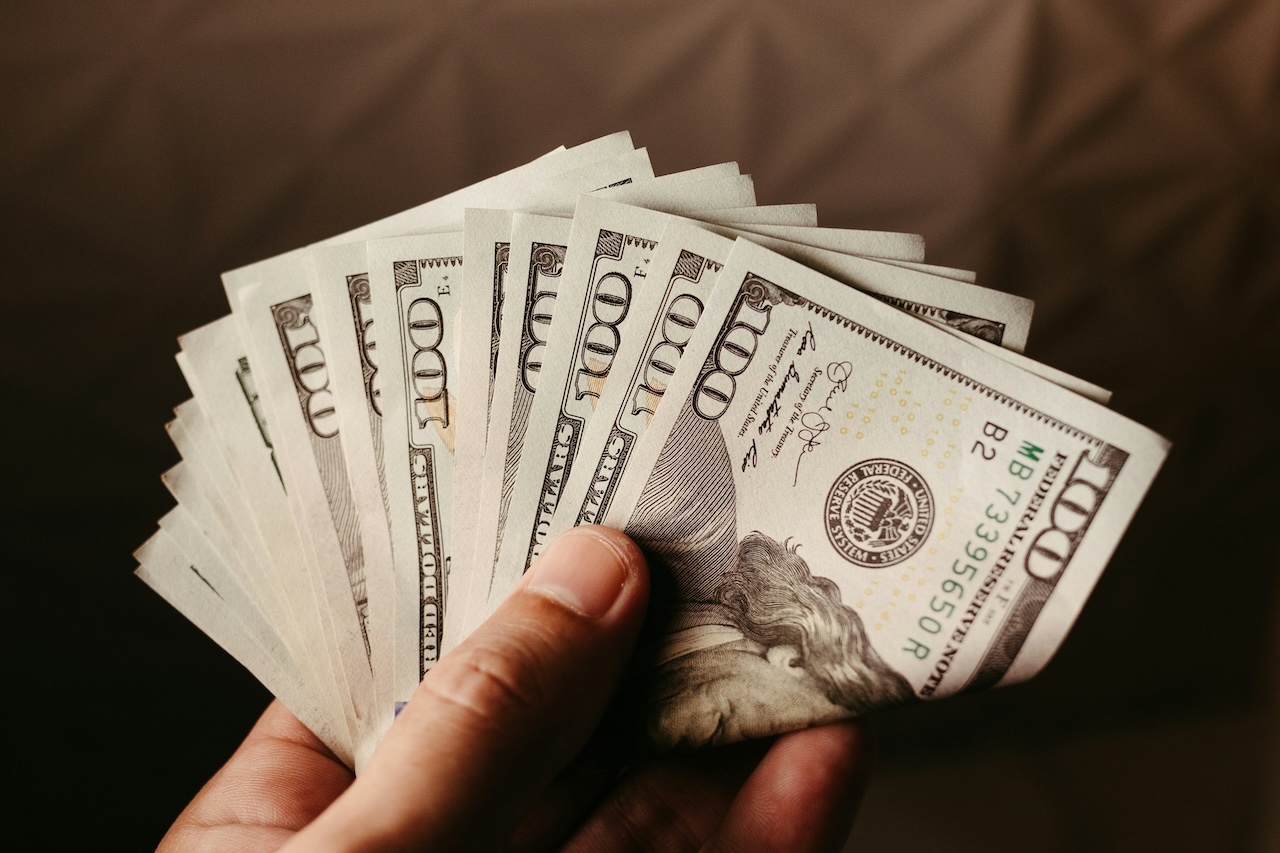
Jalisco's exporters face challenges as the strong peso reduces their returns, despite Mexico's growing role as a US supplier.
The so-called “super peso” once again presents Jalisco’s export sector with a paradox. While Mexico strengthens its position as a supplier to the United States, companies selling in dollars receive fewer pesos for each transaction. Specifically, on Tuesday, August 25, 2026, the interbank exchange rate is around 16.94 pesos per dollar, following the Bank of Mexico’s report of a closing rate of 16.9647 pesos per dollar for Monday’s trading session. The Mexican currency thus remains close to levels not seen in over two years. This currency strength occurs at a particularly relevant time for
During the first quarter of 2026, the state registered exports of $17.3775 billion, an annual growth of 106.6%, enough to position it as Mexico’s second-largest exporter.
Why the Super Peso Represents a Cost for Jalisco’s Exporters
The effect can be understood with a simple transaction. A Jalisco-based company selling goods for one million dollars would have received around 20 million pesos if the exchange rate was 20 pesos per dollar. With a rate close to 16.94 pesos, those same revenues represent approximately 16.94 million pesos.
The difference is over three million pesos in income converted to national currency, without the company necessarily selling fewer products or reducing its operational costs. Therefore, the problem is not necessarily a drop in exports measured in dollars, but rather how much those dollars are worth when they return to the Mexican market.
Among the main effects for Jalisco’s exporting companies are:
- Lower Peso Revenue: International sales are invoiced in dollars, but a significant portion of expenses remains in national currency.
- Pressure on Margins: If sales prices are fixed in dollars, the company has less room to absorb labor, logistics, and administrative costs.
- Reduced Competitiveness: Compared to competitors from countries with weaker currencies, Mexican products can lose price attractiveness.
- Cash Flow Problems: Small and medium-sized enterprises have less capacity to absorb prolonged exchange rate movements.
- Difficulty Adjusting Prices: Many international contracts are established in advance and do not allow immediate transfer of exchange rate variations to the buyer.
The dimension of the challenge increases when considering that Jalisco has an economy deeply oriented towards external markets. According to INEGI data, the state contributed 11% of national exports during the first quarter of 2026.
Jalisco Exports More, but the Exchange Rate Reduces Peso Benefits
In the first three months of 2026, Jalisco’s external sales surpassed $17 billion, more than double the amount during the same period in 2025. Electronics were the main driver of this result. The manufacturing of computer equipment, communication devices, measuring instruments, and other electronic components accounted for $13.7273 billion, equivalent to about 79% of state exports.
However, not all of Jalisco’s exporting companies are exposed in the same way. Companies with a high proportion of imported inputs in dollars may have some natural hedging. If they receive fewer pesos for their exports, they can also acquire foreign components at a lower cost in national currency. This is largely the case for part of the electronic ecosystem in the Guadalajara Metropolitan Area, where supply chains are integrated with international suppliers. However, the situation changes for companies with a predominantly national cost structure.
Sectors Under Greatest Pressure from the Super Peso
Among the sectors that may feel the peso’s appreciation most intensely are:
- Agribusiness: Products like avocados, berries, and tequila depend on international markets, while a good portion of production costs, internal transportation, and labor are covered in pesos. In the case of avocados, Jalisco expects to export more than 4.39 million kilograms to the United States during 2026.
- Footwear, Fashion, and Textiles: These are industries with strong international competition and less capacity to quickly pass on the exchange rate effect to the final price.
- Traditional Manufacturing: Companies with predominantly national production processes face a wider gap between dollar revenues and peso costs.
- Auto Parts: Although part of global supply chains, some suppliers work with long-term contracts and have little room to modify prices in the face of rapid currency appreciation.
- Medical Devices: Exposure depends on how much they import versus produce locally, as well as the currency in which their contracts are denominated.
In contrast, high-tech companies may have natural protection when their component purchases and sales are denominated in dollars.
What Can Jalisco’s Exporting Companies Do?
The exchange rate scenario forces companies to stop considering the exchange rate solely as an external variable and start incorporating it into their financial strategy. Some alternatives include:
- Hedging: Purchase currency hedges to reduce uncertainty about future revenues.
- Increase Imported Content: Increase dollar-denominated imported content, when financially convenient, to balance revenues and expenses in the same currency.
- Negotiate Contracts: Negotiate international contracts with exchange rate clauses, especially for long-term operations.
- Diversify Markets: Reduce dependence on a single destination and a single currency.
- Boost Productivity: Increase productivity so the company can partially offset the exchange rate loss through lower operational costs.
- Increase Value-Added: Enhance value-added, especially in agribusiness and traditional manufacturing products.
- Strengthen Financial Planning for SMEs: Bolster financial planning for SMEs, which have less capacity to absorb prolonged periods of appreciation.
You may also be interested in reading:
The entry
first appears on Líder Empresarial.
More Articles
New Automotive Company to Formalize Investment in San Luis Potosí Soon
Sep 23, 2026
New Aguascalientes Forum of Stars to Commence Construction in Late 2026
Oct 5, 2026

ITESO: Jalisco's Formal Employment Enters Zone of Pressure
Oct 1, 2026

Aguascalientes Budget to Rise 7.2% from 2026; Among the Nation's Largest Increases
Sep 10, 2026
Four Out of Ten Mexican Companies to Double-Digit Increase AI Investment
Sep 18, 2026
Most In-Demand Medical Specialties in Querétaro
Sep 22, 2026