
GPTW Certified Companies 2026: Labor Practices Transforming the Employee Experience
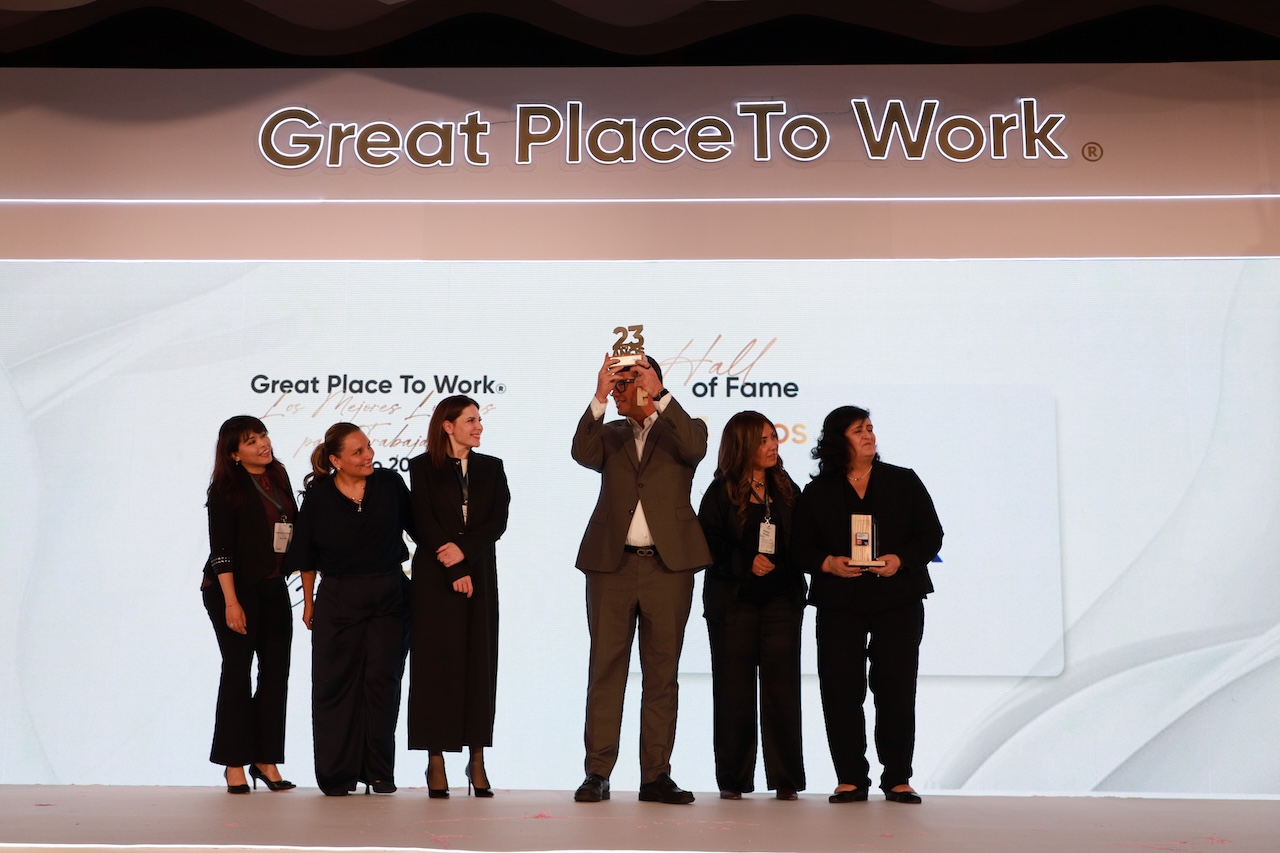
Mexican companies are prioritizing employee well-being and engagement to attract and retain talent, moving beyond salary as the sole motivator.
In a labor market where salary is no longer the sole deciding factor for attracting talent, Mexican companies are facing a new challenge: building organizational cultures where people genuinely want to stay. This was precisely the common thread among organizations recognized by GPTW in the “Best Workplaces 2026 in Mexico” ranking, within the category of companies with 50 to 500 employees nationwide. Although they belong to different sectors, these companies agree that workplace culture has shifted from an aspirational discourse to a business strategy. Listening to employees, fostering direct communication channels, offering work flexibility, and strengthening human leadership are some of the practices that now allow them to stand out nationally.
Employee Well-being as a Growth Strategy
For Samuel Serfati, Deputy General Director of Laboratorios Jayor, the GPTW certification represents much more than a business recognition.
“It’s a great achievement. It stems from teamwork, from our collective effort, and from often prioritizing the employee over the company,” he explained.
The executive stated that within the organization, they have understood that a motivated employee directly impacts the company’s performance.
“An employee who is happy where they are working is much more effective, with much more drive and many more accomplishments. Motivation is the air we all need,” he asserted.
To achieve this, the company has implemented programs focused on comprehensive health and close support.
“We have established medical services, psychological services, and support related to hospitalization and maternity. Human Resources is very attentive to what happens with each employee,” he detailed.
In the case of Transportes Cepsa, the focus has also been on improving workers’ quality of life.
José Luis Vega, Human Resources Manager at the company, explained that the company has implemented flexible hours, reduced working days, and hybrid work arrangements.
“We have adapted economic benefits, facilitated schedules, and reduced working hours. We have a home office option on Saturdays and some days we finish work at four in the afternoon,” he commented.
The result, he assured, is reflected in a healthier work environment and lower employee turnover.
Listening to People: The Practice That Transformed Organizational Culture
One of the commonalities among companies recognized by GPTW 2026 is the importance of active listening. For Grupo San Jacinto, this practice has become a cornerstone of their workplace culture. Norma Aurora Cruz Reynoso, Director of Organizational Development at the company, stated that the recognition validates the work done by the entire organization.
“For us, people are at the center of everything we do,” she affirmed.
The executive explained that one of the main efforts has been to strengthen the connection between leaders and employees.
“We have various listening channels: in-person meetings, suggestion boxes, and direct channels even with our CEO. Every request and every concern is addressed and responded to,” she indicated.
Furthermore, she pointed out that leadership training has been key to consolidating a sense of belonging.
“We work extensively with leaders to remind them that a person is a person, not a number,” she emphasized.
At IDN Desarrollos, organizational listening is also part of their growth strategy. Karen Cárdenas Ramírez, Human Capital Manager, explained that after each GPTW evaluation, they develop specific action plans.
“We deeply analyze the results and understand what people truly need. It’s not just about leaving work earlier, but about more profound issues like leadership, feedback, and training,” she noted.
The company has even implemented learning platforms and continuous feedback models to strengthen professional development.
The Differentiator of GPTW 2026 Companies
Another element that stands out for recognized organizations is the accessibility of their leaders. At Laboratorios Jayor, for example, open communication with management is part of their culture.
“There’s no bureaucracy. The directors’ doors are open to anyone. We are very open to hearing what people need,” she affirmed.
Meanwhile, at IDN Desarrollos, employees maintain frequent contact with senior management.
“This is the first time I’ve seen directors and the CEO truly committed to organizational culture. Our CEO can walk through the organization any day and approach any employee to ask how they are doing,” she commented.
The executive explained that this involvement helps ensure that workplace culture initiatives are not perceived as solely an HR responsibility.
“Certifications are not just for Human Resources; they are for the entire organization,” she emphasized.
At Transportes Cepsa, leadership is also based on trust and autonomy.
“Today, work is focused on objectives, not so much on working hours. Everyone has the freedom to work while adhering to processes, and that helps us create a good work environment,” she explained.
How Does GPTW Impact Talent Attraction and Retention?
Beyond the recognition, companies agree that the certification has strengthened their reputation as employers. At Transportes Cepsa, the GPTW seal now influences recruitment processes.
“Some people mention in interviews that they saw the certification, and it gives them confidence and credibility that they are joining a good place to work,” she commented.
Furthermore, she assured that the recognition has also benefited commercial relationships with clients and partners. For its part, Grupo San Jacinto experienced a significant transformation in talent attraction.
“Four years ago, we would post job openings, and no one wanted to come work with us due to the distance. Today, we post an opening, and we immediately have interested candidates,” she shared.
The company has even managed to attract candidates from other regions of Mexico and South America.
In the case of Laboratorios Jayor, Samuel Serfati highlighted that the certification serves as external validation of the actual employee experience.
“One can say their company is very good, but when an organization under certain standards recognizes you as a Great Place to Work, you are definitely on the right track,” he affirmed.
Five Practices Setting Trends in GPTW 2026 Companies
The experiences shared by these companies allow us to identify some strategies that are redefining workplace culture in Mexico today:
- Actively listen to employees and respond to their needs.
- Embrace accessible and approachable leadership.
- Implement benefits focused on comprehensive well-being.
- Strengthen work flexibility and work-life balance.
- Understand that organizational culture involves the entire company, not just the Human Resources department.
Behind every GPTW certification lies something deeper, as companies that understand that placing people at the center also drives business growth.
You might also be interested in:
The article
first appeared on Líder Empresarial.
More Articles

China Extends Antidumping Investigation into Mexico: Impact on Pecans?
Sep 10, 2026

Industrias Tajín Invests 500 Million Pesos: Project Details for Jalisco
Sep 24, 2026
San Luis Potosí Analyzes Strategies to Strengthen Regional Industry Amidst USMCA
Sep 1, 2026

How is Business Confidence in Mexico Performing?: INEGI Data for August 2026
Sep 1, 2026

San Luis Potosí Households Report Nearly 100,000 Pesos in Quarterly Income: INEGI
Sep 28, 2026

Aeroméxico Under Investigation for Potential Data Breach: What Information Is at Risk?
Sep 21, 2026