
Japanese Companies in Mexico: Why the Country Remains Strategic for Investment

Explore the enduring strategic importance of Mexico for Japanese investment amidst global supply chain shifts and economic dynamics.
The economic relationship between Mexico and Japan is undergoing a reaffirmation. As the international landscape faces pressures from supply chain reconfiguration, escalating trade tensions, and shifts in the automotive industry, Japanese companies continue to commit to the Mexican market. A recent meeting led by President Claudia Sheinbaum Pardo with representatives from the Japanese business sector underscored Mexico’s aim to solidify its position as a prime destination for Asian investment in North America, strengthening an alliance that has propelled strategic sectors such as automotive, electronics, manufacturing, and logistics for decades. Currently, over 1,600
operate within national territory, generating approximately 350,000 direct jobs. This figure highlights the significant impact of this Asian nation on the Mexican economy and its role in the industrial development of various regions.
Sheinbaum Strengthens Dialogue with Japanese Business Leaders
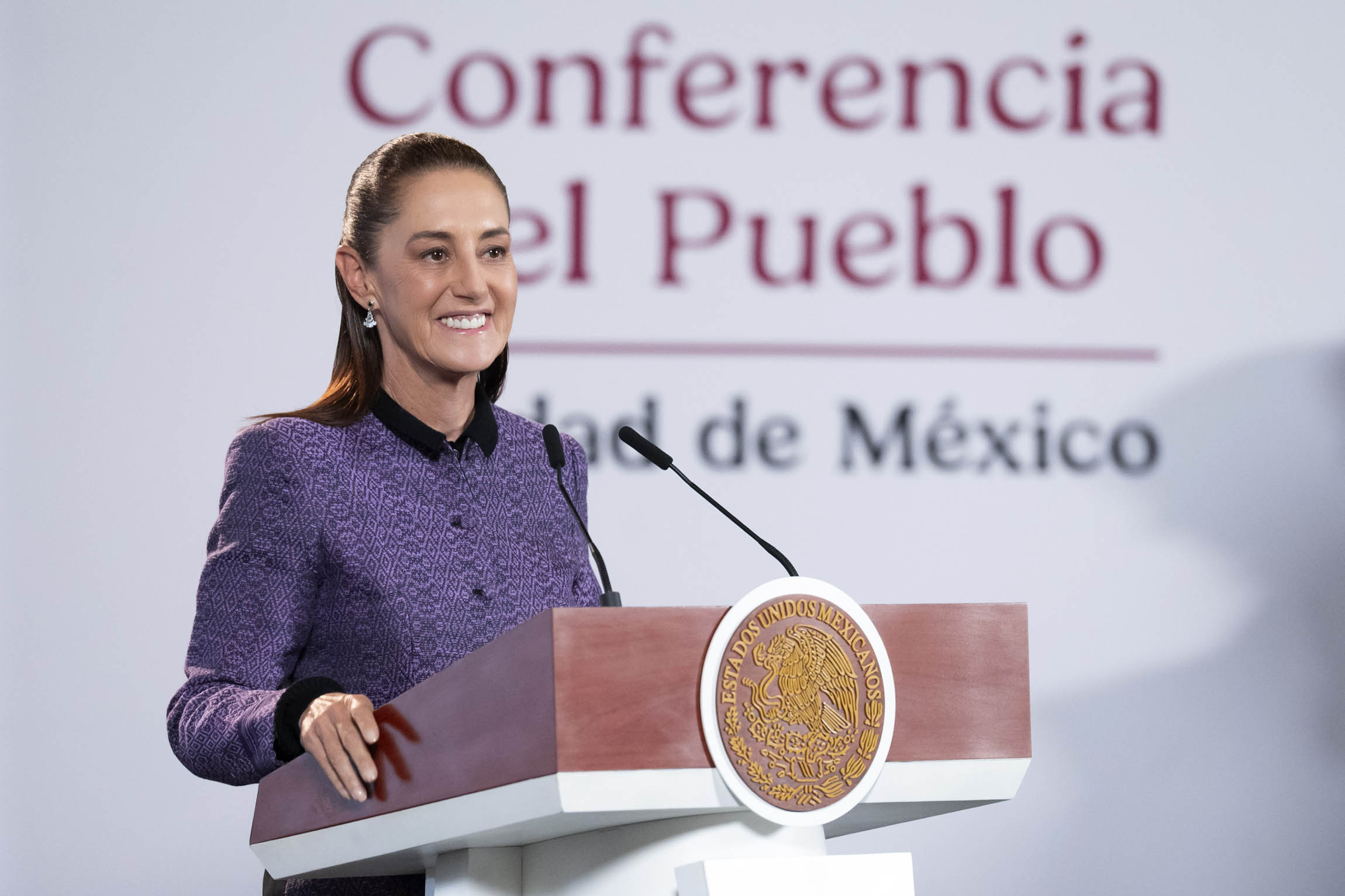
President Claudia Sheinbaum met on Monday at the National Palace with Seiji Kuraishi, Chairman of the Mexico-Japan Economic Committee; members of the Japan Business Federation (Keidanren); and Ambassador Kozo Honsei to explore new investment opportunities and enhance bilateral economic cooperation. Through her social media channels, the President emphasized that the meeting aimed to foster new projects and maintain ongoing communication with one of Mexico’s key strategic partners. During the encounter, she reiterated that approximately 1,600 Japanese companies currently operate in the country, responsible for generating around 350,000 direct jobs, primarily in high-value-added industries. It is noteworthy that Japan’s presence in Mexico is not recent. For several decades, companies from the Asian nation have found favorable conditions to establish manufacturing plants, distribution centers, and industrial complexes that are now integral parts of some of the world’s most significant production chains.
Interoceanic Corridor Gains Prominence for Japanese Companies in Mexico
One of the key topics highlighted by the President in recent days was Hyundai’s utilization of the Interoceanic Corridor of the Isthmus of Tehuantepec for vehicle transportation. According to the President, units entered through the port of Salina Cruz and were subsequently moved to Coatzacoalcos. This operation represents a significant trial for consolidating this logistics project as a competitive alternative to other international routes. Furthermore, Sheinbaum explained that a definitive contract is being reviewed this week to transition these operations into a permanent scheme. This move signifies more than just a commercial transaction; it confirms the interest of international manufacturers in leveraging new logistics routes to reduce transit times and transportation costs, thereby enhancing Mexico’s competitiveness as an export platform.
Why is Mexico Strategic for Japanese Companies?
The sustained presence and growth of Japanese investment stem from a combination of competitive advantages that continue to differentiate Mexico from other manufacturing destinations. Key factors include:
- Geographic proximity to the United States, the world’s largest consumer market.
- Production integration with North America.
- An extensive network of trade agreements providing preferential access to over 50 countries.
- The continued validity of the Agreement for the Strengthening of the Mexico-Japan Economic Partnership (AAEM), signed in 2005.
- A specialized workforce in the automotive, electronics, and manufacturing industries.
- The development of highly competitive local suppliers.
- Growth in logistics infrastructure, such as the Interoceanic Corridor.
- Ongoing dialogue between the federal government and the private sector to facilitate investments.
- Consolidated industrial ecosystems in states like Guanajuato, Baja California, Mexico City, Nuevo León, Aguascalientes, and Querétaro.
This is further compounded by the global phenomenon of supply chain diversification. Following the pandemic and trade conflicts between various economies, numerous companies are seeking to produce closer to their primary consumers, reducing reliance on long maritime routes from Asia. Mexico fulfills this condition due to its geographical location and its trade integration with the United States and Canada.
Toyota Confirms Continuity in Mexico
One of the announcements that garnered significant attention in recent days was Toyota’s decision to gradually shift some Tacoma pickup production from Tijuana to San Antonio, Texas. However, the Ministry of Economy clarified that this measure is part of the company’s international reorganization and does not signify an exit from Mexico. According to the federal agency, the process will be gradual and conclude by 2030, meaning operations in Mexican territory will continue normally over the coming years. The ministry also reported that the plant located in Guanajuato will continue to operate. This facility represents one of Toyota’s most important industrial assets in Mexico, generating approximately 2,800 direct jobs, in addition to thousands of indirect positions associated with its network of suppliers, transportation, logistics, and specialized services. The federal government stated that it maintains ongoing communication with the company to monitor its production plans and analyze the future of the plant once the reorganization planned for 2030 is complete. Additionally, the Ministry of Economy indicated that, following efforts by President Sheinbaum, another automotive company will soon announce an investment exceeding $500 million, which would further bolster foreign capital inflow into the country.
#ComunicadoEconomíaToyota will maintain production and jobs in Mexico https://t.co/7N8CvTX2JO pic.twitter.com/Cd3cpuVRnb— Economía México (@SE_mx) July 7, 2026
Sectors Covered by Japanese Companies in Mexico
While the automotive sector accounts for a significant portion of Japanese investment, the business presence from the Asian nation extends far beyond. Japanese companies are involved in industries such as:
- Advanced Manufacturing
- Electronics
- Automotive Components
- Energy
- Logistics
- Technology
- Industrial Machinery
- Medical Equipment
- Chemical Industry
- Commerce
This diversification has enabled Japanese investment to contribute to the economic growth of various regions across the country, driving the creation of specialized jobs and strengthening national supply chains. States like
have become industrial hubs for Japanese companies, thanks to the presence of assembly plants, auto parts manufacturers, and an extensive supplier network. Meanwhile, Baja California continues to be a relevant platform for manufacturing destined for the U.S. market, and Mexico City concentrates corporate, commercial, and financial activities.
Mexico and Japan’s Commercial Relationship
The economic relationship between Mexico and Japan is also reflected in trade exchange. During April 2026, Mexico’s primary export to Japan was fresh, chilled, or frozen pork, with sales totaling nearly $18 million. The main exporting states were:
- Jalisco, with $23.8 million.
- Sonora, with $23.6 million.
- Mexico City, with $20.1 million.
On the other hand, Mexico’s main import from Japan consisted of automobiles and vehicles for the transport of persons, valued at approximately $202 million. The largest destinations for these imports were:
- Mexico City, with $517 million.
- Guanajuato, with $219 million.
- Nuevo León, with $199 million.
While Mexico exports food, manufactured goods, and industrial products, Japan supplies the Mexican market with high-value vehicles, machinery, technology, and components.
You may also be interested in:
The article
first appeared on Líder Empresarial.
More Articles
Two Years into Sheinbaum's Administration: What Labor Reforms Have Been Approved?
Oct 1, 2026

How Financial Markets Opened Today: Peso Recovers, Oil Declines
Oct 5, 2026

Guanajuato Harvests 2026: 17,000 Visitors, 16 Dates, and Over 80 Experiences
Oct 12, 2026

CLAUGTO Outlines Five Key Principles for Implementing Artificial Intelligence in Industry
Sep 22, 2026

Monterrey Airport to Feature Mega Solar Park: How Many Panels Will Be Installed?
Sep 29, 2026

Tec de Monterrey Ranks as Mexico's #1 University in QS 2027 Rankings
Oct 5, 2026