
Guanajuato Gas Stations Pause Diesel Sales Amid Cost and Price Pressures
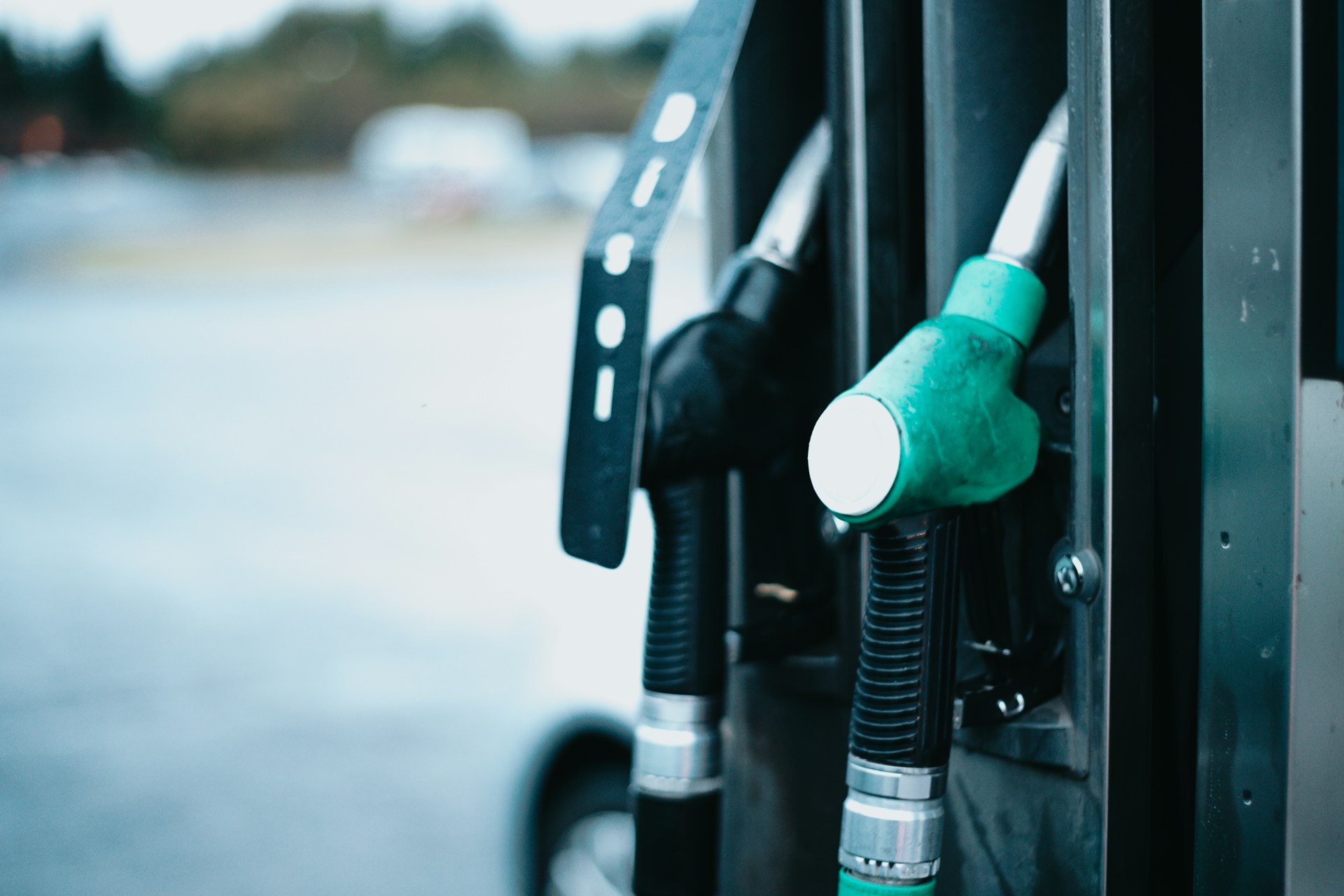
Fuel market pressures force over 173 stations in Mexico to suspend diesel sales due to rising costs, logistics, and wholesale price disparities.
The pressure on the fuel market has now reached
in Guanajuato, an entity among the six states accounting for over 53% of stations that have paused diesel sales in Mexico. In total, at least 173 stations have temporarily suspended the sale of this fuel due to increased costs, logistical challenges, and discrepancies in wholesale prices. This phenomenon occurs as the sector operates under a voluntary agreement to keep diesel prices below 27 pesos per liter. Simultaneously, the international market faces pressures from conflicts in the Middle East and Ukraine, which have driven up the cost of refined fuels.
Guanajuato Among States with Most Affected Stations
Data from PetroIntelligence places Guanajuato, State of Mexico, Jalisco, Sonora, Puebla, and Zacatecas as the entities where over 53% of stations that stopped offering diesel are concentrated. Nationally, this figure represents a small proportion compared to the over 13,100 service stations operating in Mexico. However, this trend reveals specific pressure on businesses unable to sustain their margins under current conditions.
Alejandro Montufar, CEO of PetroIntelligence, explained that several stations were purchasing fuel from private importers whose prices are no longer competitive in the current market. Furthermore, some stations face higher transportation costs due to the relocation of supply terminals. Consequently, the final price incorporates increased freight charges, particularly for establishments located far from supply points.
Wholesale Differential Squeezes Margins
The primary imbalance lies in the price at which stations acquire diesel. According to PetroIntelligence, Pemex accounts for approximately 85% of national supply and offers a wholesale price of 25 pesos per liter at its terminals. In contrast, private importers face a differential of about 2.65 pesos per liter compared to Pemex’s wholesale price. This difference significantly impacts the margins of stations reliant on private suppliers.
The problem is exacerbated by the addition of freight, operational, financing, and credit costs for heavy-duty transport fleets. As a result, some companies consider that selling fuel at 27 pesos may lead to losses. The situation is particularly complex for stations located in remote areas, where logistical costs can escalate further when available terminals are at greater distances.
The 27 Peso Price Point Marks a Limit for Entrepreneurs
The federal government and the gas station sector maintain a voluntary strategy to stabilize diesel prices. Since April 2026, this scheme aims to keep prices below 27 pesos per liter in most of the country. In August, both parties agreed to extend this strategy for another six months. The government stated at the time that it would maintain diesel prices below 27 pesos, while companies would continue to participate voluntarily.
However, the reference price does not eliminate the costs faced by each station. Therefore, a gas station that acquires more expensive diesel and also pays higher freight charges may be left with insufficient margin for sale. The scenario also includes fiscal incentives. According to recently published information, the federal government is applying a 100% IEPS (Special Tax on Production and Services) stimulus for diesel, along with additional support to contain the final price.
International Market Adds Pressure to Supply
Tension is not confined to the Mexican market. Mexico maintains a significant dependence on diesel imports from the United States. Data from the U.S. Energy Information Administration indicates that Mexico imported 288,000 barrels per day of U.S. diesel in June 2026, an increase of 10% compared to June 2025. Moreover, U.S. imports cover over 40% of Mexico’s diesel demand, meaning any disruption in this flow can impact fuel costs and availability in Mexico.
The possibility of limiting U.S. exports created market uncertainty during September. The price of diesel in the United States reached $6.53 per gallon, a high associated with the global scarcity of refined fuels. Subsequently, the White House denied any definitive decision to impose an export ban. Nonetheless, the debate keeps the international market and countries dependent on U.S. supply under pressure.
Diesel: A Fuel That Drives the Economy
The importance of diesel explains why a prolonged disruption would have broader effects than just the gas station market. This fuel powers freight trucks, buses, agricultural machinery, mining equipment, and construction machinery. In Guanajuato, where industrial, logistical, agricultural, and manufacturing activities are significant, diesel price fluctuations can ripple through various production chains. The impact can also reach consumers through transportation costs. When expenses for moving goods increase, companies face pressure on their operational costs and may pass on a portion of this increase to final prices.
You might also be interested in…
.The entry
appears first on Líder Empresarial.
More Articles

Jalisco Strengthens Banana Crop Health with Drones, Investing 930,000 Pesos
Sep 17, 2026

San Luis Potosí Faces Sharp Increase in Business Delinquency in 2026
Sep 2, 2026

Sidney Massunaga Appointed Mastercard Country Manager for Mexico
Sep 9, 2026

Aeroméxico Under Investigation for Potential Data Breach: What Information Is at Risk?
Sep 21, 2026

Electronics and Petroleum Lead Manufacturing Growth in Mexico
Sep 17, 2026

Guanajuato Ranks in the Top 5 for the Meetings Industry: What Strengthens Its Position?
Sep 14, 2026