
Guanajuato Automotive Cluster Anticipates Future Mobility at CES 2026
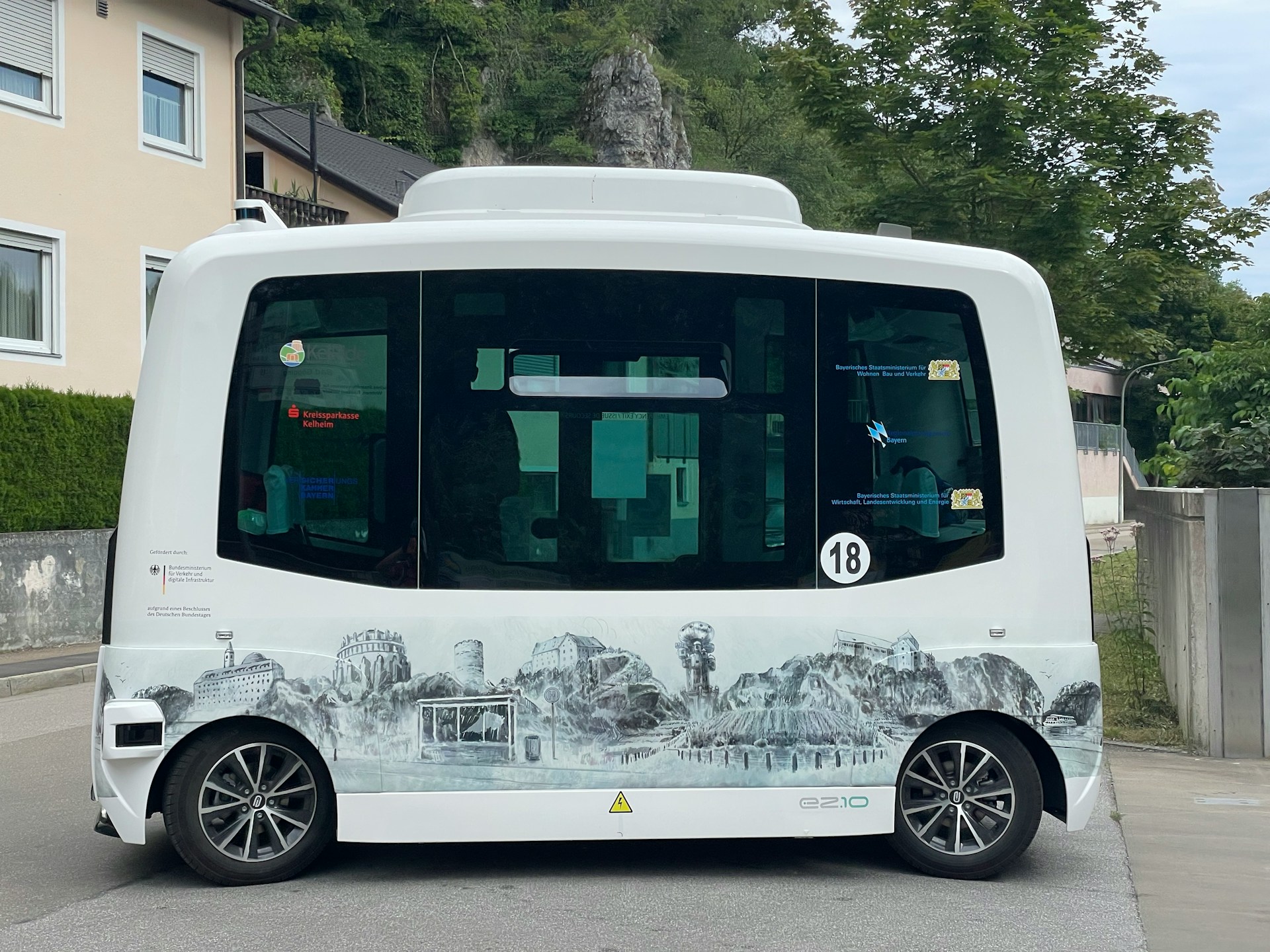
Guanajuato's Automotive Cluster (CLAUGTO) explores future mobility at CES 2026, identifying key trends in autonomous vehicles, AI, and robotics shaping the global auto industry.
The Automotive Cluster of Guanajuato (CLAUGTO) gained firsthand insight into new trends in autonomous vehicles and integrated artificial intelligence in automobiles during its participation in the Consumer Electronics Show (CES) 2026, held this January in Las Vegas. This event allowed for the identification of technologies that will shape the direction of the global automotive industry and their impact on the state’s production chain.
CES once again solidified its position as the premier global showcase for innovation. In this edition, artificial intelligence transitioned from a future projection to a solution already integrated into models, mobility platforms, and industrial processes.
CES 2026 and the Technological Evolution of the Automotive Sector
The Consumer Electronics Show brought together leading companies in technology, mobility, and digitalization. The automotive industry held a strategic position, with advancements focused on electric vehicles, autonomous driving, and digital ecosystems.
During the event, automakers and technology firms showcased solutions integrating software, sensors, connectivity, and artificial intelligence. These technologies aim to optimize safety, efficiency, and user experience—key factors for future competitiveness.
Robotaxis and Level 4 Autonomous Driving
One of the most significant focal points was mobility through robotaxis, developed in strategic alliances between Uber, Lucid, and Nuro. These companies unveiled their first electric vehicle with Level 4 autonomy, capable of operating without human intervention under specific conditions.
Nuro contributes an advanced artificial intelligence system, developed on the NVIDIA DRIVE platform, which enables fully automated driving. This technology processes large volumes of data in real-time.
Lucid integrates the necessary sensors from the factory to ensure a functional autonomous platform in its luxury electric SUV, while Uber adds its digital infrastructure and expertise in shared mobility.
User Experience as the Core of the Autonomous Vehicle
Uber also participates in the interior design of the SUV, incorporating interactive screens and digital elements aimed at enhancing the passenger experience. The cabin transforms into a smart and connected space.
This approach confirms that autonomous mobility does not solely depend on technology but on the interaction between user, software, and the digital environment—a key trend for the coming years.
Zoox and the Advance Towards Full Autonomy
Another highly relevant presentation was by Zoox, an Amazon subsidiary technology company. The company showcased its Level 5 autonomous robotaxis, designed without a steering wheel or pedals.
These electric vehicles are already operating in Las Vegas, representing one of the most advanced cases of autonomous mobility in real-world operation. Their design was conceived exclusively for automated driving.
To use the service, users download the Zoox app, which functions similarly to Uber. Currently, the service operates on limited routes and is offered free of charge.
Connectivity and Artificial Intelligence within the Automobile
Regarding connectivity, BMW announced an alliance with Alexa+, Amazon’s voice assistant, which will be customized for the brand. The objective is to integrate the home ecosystem with the vehicle.
This technology will debut in the BMW iX3, allowing users to request restaurant recommendations, inquire about destinations, and control home devices from the car while in transit.
AFEELA 1 and Integration with Microsoft Azure
For its part, Sony Honda Mobility presented the electric prototype AFEELA 1, which integrates Microsoft Azure’s artificial intelligence to personalize the user experience.
The model incorporates advanced driver-assistance systems (ADAS) with Level 2 autonomy, where the vehicle controls steering and speed, although the driver must remain attentive.
The vehicle can already be pre-ordered in the United States for 89,900 dollars, with production slated to begin in 2028, marking a new stage of convergence between technology and automotive manufacturing.
Robotics and Physical AI in Automotive Manufacturing
Finally, Hyundai Motor Group presented its robotic production strategy with artificial intelligence, developed in collaboration with Boston Dynamics. The vision focuses on leading the emerging physical AI industry.
One of the most notable developments was Atlas, a humanoid robot with fully rotational joints, a reach of 2.3 meters, and the capacity to lift up to 50 kilograms.
Atlas can operate in complex industrial environments thanks to its resistance to water and extreme temperatures. Hyundai plans to mass-produce it and integrate it into its global plants starting in 2028.
Implications for Guanajuato’s Automotive Industry
The participation of
in CES 2026 reinforces the connection of Guanajuato’s automotive sector with global trends in mobility, automation, and artificial intelligence.
These advancements anticipate a profound transformation in design, manufacturing, and business models, where technological innovation will be key to maintaining the state’s competitiveness in the international automotive industry.
The post
first appeared on Líder Empresarial.
More Articles

E-commerce Captures 10.1% of Sales Value Following Hot Sale
Jul 27, 2026
KIA to Invest $649 Million in Mexico for Electric Vehicle Production: The Winning State
Jul 29, 2026

Meximold 2026 in Querétaro: Dates and Key Information
Jul 16, 2026

Banxico Mandates Banks to Streamline Mobile Transfers
Jul 15, 2026

IMMEX 4.0: What Changes is the Private Sector Proposing for Mexican Manufacturing?
Jul 7, 2026

From Fields to Laboratories: How Drug Trafficking Became a Global Industry
Jul 2, 2026