
Guanajuato Ranks 4th in Distributed Generation with Photovoltaic Projects: 85% Growth Since 2022
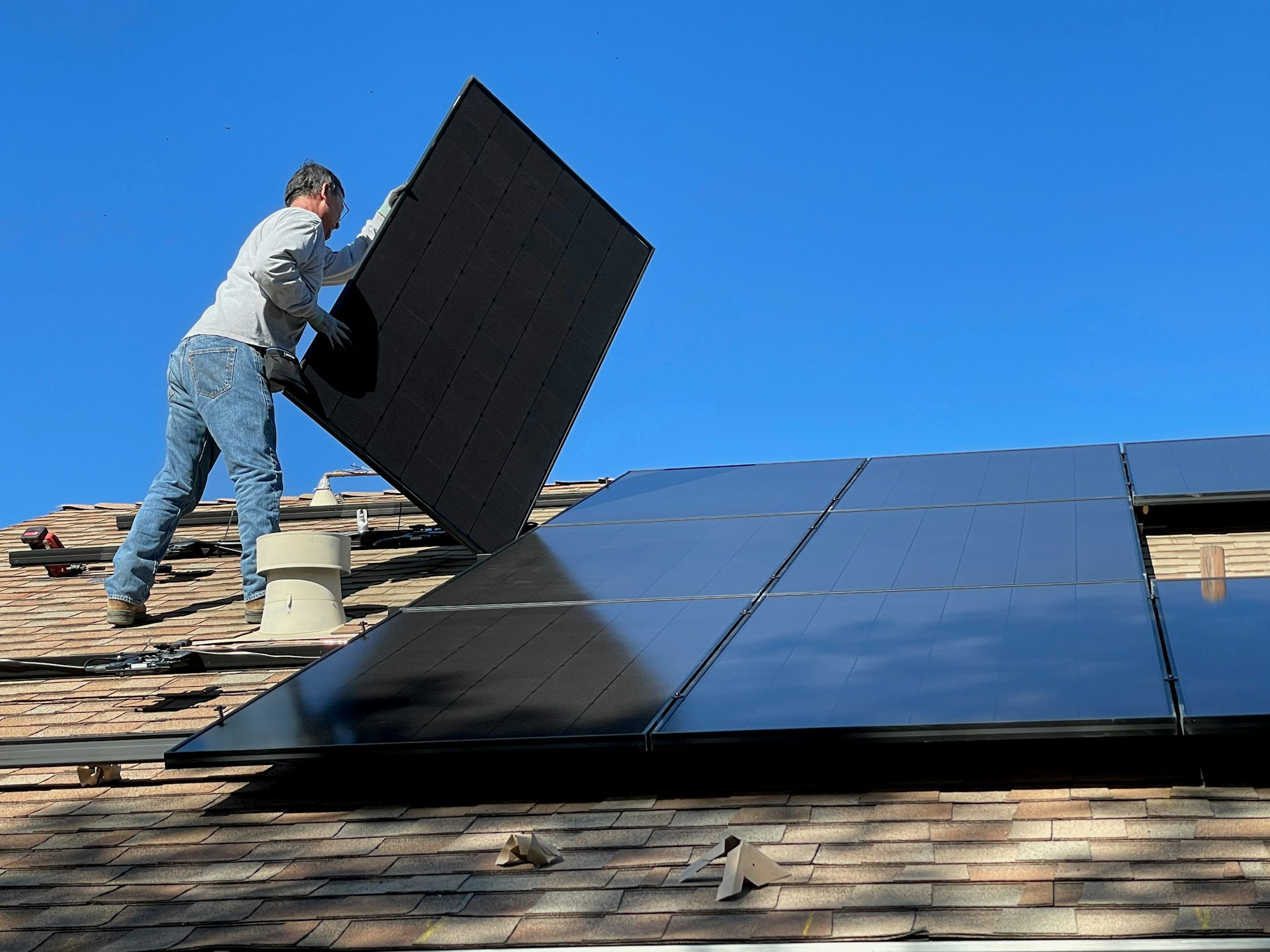
Guanajuato solidifies its position as a national leader in distributed generation, achieving 85% growth since 2022 and focusing on photovoltaic projects for sustainable energy.
According to the National Energy Commission (CNE), Guanajuato ranks fourth nationally in distributed generation, solidifying its leadership in
. The state has recorded cumulative growth of 85% since 2022, reflecting sustained progress towards energy transition.## Historic Growth and Installed Capacity in 2025 In 2025, Guanajuato incorporated an additional 8.57 megawatts, representing a 3% increase compared to the previous year. More than 99% of this capacity originates from photovoltaic solar systems, confirming the state’s commitment to renewable technologies. Currently, the entity boasts 298.63 MW installed under the distributed generation scheme, strengthening its energy matrix and reducing its carbon footprint.## Government Momentum and Sustainability Vision The state energy policy is based on sustainability, affordability, and energy justice, positioning Guanajuato as a national benchmark in clean and accessible energy. The head of the Ministry of Economy, Claudia Cristina Villaseñor Aguilar, emphasized that distributed energy enables families and businesses to reduce costs, enhance competitiveness, and increase resilience.## Strategic Benefits of Distributed Generation Distributed generation involves producing energy near the point of consumption. This model reduces transmission losses, alleviates pressure on CFE’s infrastructure, and prevents interruptions due to overloads. In Guanajuato, growth has accelerated due to the installation of photovoltaic solar systems in homes, businesses, and institutions, enabling more users to generate clean electricity at a competitive cost.## Favorable Conditions and Future Outlook The state leverages its high solar radiation to develop renewable projects across various regions, strengthening local energy autonomy. In addition to reducing dependence on traditional sources, this model promotes a system that combines environmental sustainability, economic stability, and affordable access to energy—key elements for achieving true energy justice.The entry
first appeared in Líder Empresarial.
More Articles

What Does the Decline in Nuevo León's Mining Production in June Reveal?
Aug 20, 2026

Banxico Raises Mexico Growth Forecast to 1.5%: What Changed?
Aug 27, 2026
Guanajuato Accelerates Electromobility with 3.9% of Hybrid and Electric Vehicle Sales in Mexico
Aug 14, 2026

San Luis Potosí Faces Sharp Increase in Business Delinquency in 2026
Sep 2, 2026

Sidney Massunaga Appointed Mastercard Country Manager for Mexico
Sep 9, 2026
Querétaro's Agri-Exports Face New Trade Barriers
Aug 31, 2026